The Art of Wine Tasting: A Beginner’s Guide
Overview
Wine tasting is a delightful way to explore the world of wine, engaging your senses to uncover flavors, aromas, and stories in every glass. Whether you're sipping a crisp Chardonnay from Jackson Family Wines or a bold Cabernet from another top wine brand, this guide will teach you how to taste like a pro. Perfect for beginners, it breaks down the process into simple, actionable steps.
Why Wine Tasting Matters
Wine tasting isn’t just about drinking—it’s about experiencing. It’s like listening to a song and noticing every note, or eating a meal and savoring each ingredient. When I first tried wine tasting at a local vineyard, I was nervous. I didn’t know what to say about the wine. But once I learned the steps, it became a fun adventure. This guide will help you feel confident, whether you’re at a winery or enjoying a bottle at home.
Tasting wine sharpens your senses. Research from Cornell University shows that focused tasting can improve your ability to notice subtle details over time. Plus, it’s a great way to connect with friends, impress a date, or simply enjoy a quiet evening. Let’s dive into the steps to master The Art of Wine Tasting: A Beginner’s Guide.
Step 1: Look at the Wine
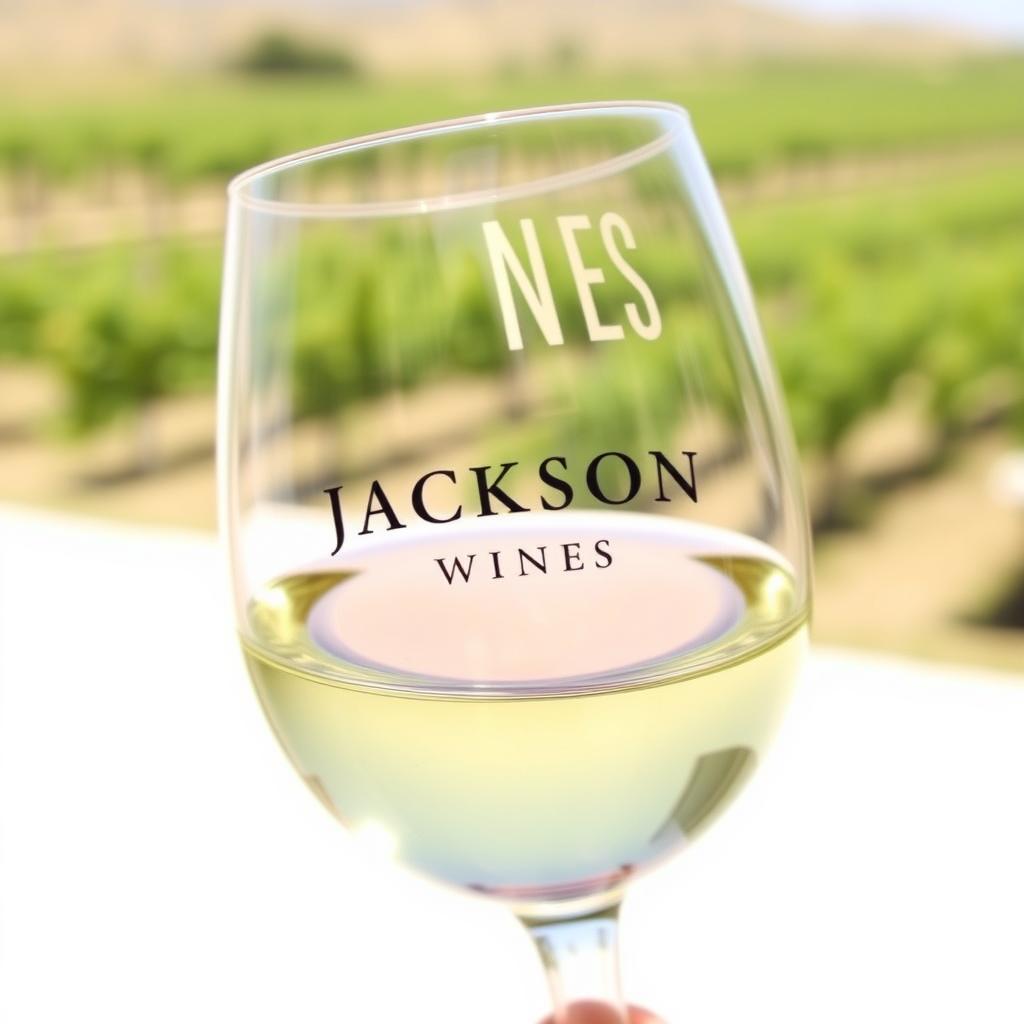
Start by observing the wine in your glass. Hold it up to a white surface, like a napkin or tablecloth, to see its true color. White wines, like those in the Jackson Family Wines white wine collection, range from pale straw to deep gold. For example, their Kendall-Jackson Vintner’s Reserve Chardonnay has a light gold hue with green tinges, hinting at its crisp, fruity profile.
Red wines might be ruby red or deep purple. The color can tell you about the wine’s age—younger whites are often lighter, while older reds deepen. Clarity matters too. A cloudy wine might suggest a fault, while a clear one shows quality. Take a moment to notice these details; they’re your first clue to the wine’s story.
Step 2: Swirl and Smell
Swirling the wine is more than a fancy move—it releases aromas. Hold the glass by the stem to avoid warming the wine, then gently swirl it. Watch the “legs” (droplets) form on the glass; thicker legs often mean higher alcohol or sugar content.
Now, bring the glass to your nose and take a deep sniff. What do you smell? Fruits like apple or cherry? Maybe flowers or spices? When I first smelled a La Crema Pinot Noir from Jackson Family Wines, I caught hints of raspberry and earth, which made me excited to taste it. Your nose preps you for the flavors, so don’t rush this step. Trust your senses, even if you’re not sure what you’re smelling.
Step 3: Taste the Wine
Take a small sip and let it roll over your tongue. Notice how it feels—is it light like a summer breeze or heavy like a warm blanket? Think about the flavors. Is it sweet, tart, or dry? For reds, you might feel tannins, which create a drying sensation on your gums. A high-acid wine, like a Sauvignon Blanc, feels zesty and refreshing.
Jackson Family Wines offers beginner-friendly options. Their Vintner’s Reserve Chardonnay, for instance, tastes of apple and pear with a creamy finish. Compare that to a bold Cabernet Sauvignon from another wine brand, which might burst with blackberry and spice. Sip slowly to catch every layer.
Step 4: Savor the Finish
After you swallow, pay attention to the aftertaste, or “finish.” Does it linger or fade quickly? A long, pleasant finish often marks a high-quality wine. I remember tasting a Stonestreet Cabernet Sauvignon from Jackson Family Wines at a winery event. The flavors of blackberry and cedar stayed with me, making me appreciate its craftsmanship.
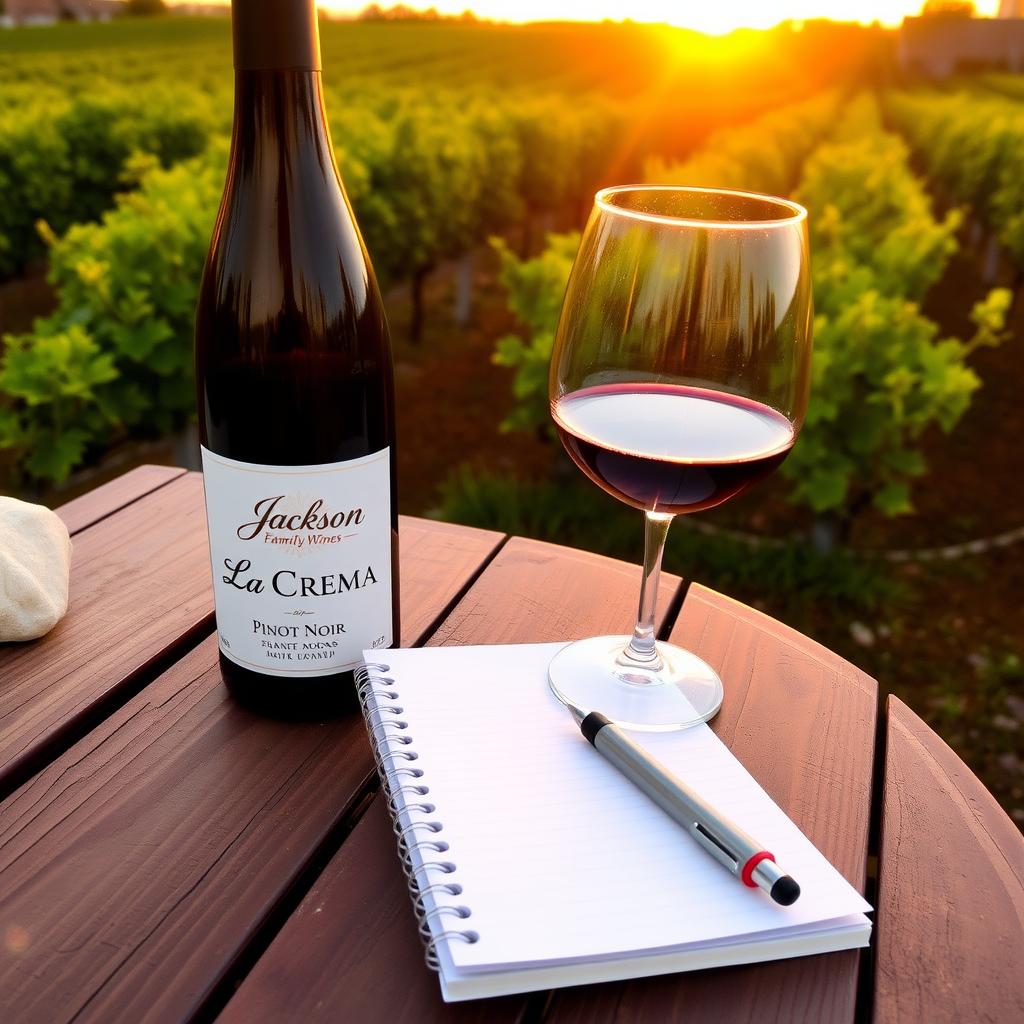
This step ties everything together. Ask yourself: Did I enjoy it? Would it pair well with food? Jot down your thoughts in a notebook or app to track what you like. This habit helped me discover my love for crisp whites over heavy reds.
Tips for Beginner Wine Tasters
Here are some practical tips to make your wine tasting experience smooth and fun:
- Start with lighter wines: Try a Pinot Grigio or Rosé before diving into bold reds like Cabernet Sauvignon.
- Cleanse your palate: Sip water or eat plain bread between tastings to reset your taste buds.
- Avoid strong scents: Skip perfume or cologne, as they can overpower the wine’s aromas.
- Take notes: Write down flavors, aromas, and your overall impression. It’s like a diary for your taste buds.
- Experiment with pairings: Try wines with food. A Chardonnay from Jackson Family Wines white wine collection pairs beautifully with grilled chicken or creamy pasta.
These tips made my early tastings less intimidating and more enjoyable. They’ll help you focus on the wine without distractions.
Exploring Jackson Family Wines
Jackson Family Wines is a great starting point for beginners. Their white wine collection, including the Kendall-Jackson Vintner’s Reserve Chardonnay, is known for its approachable yet sophisticated flavors. Based in Sonoma County, they craft wines from top regions like Napa Valley and the Russian River Valley. Their focus on sustainable farming adds depth to their story—healthy land makes better grapes, as a UC Davis study confirms.
Compared to other wine brands, Jackson Family Wines stands out for owning their vineyards, ensuring consistent quality. Their La Crema Monterey Pinot Noir, with its bright raspberry notes, is another gem for new tasters. Visiting their vineyards is a treat—stunning views and friendly staff make it unforgettable.
Pairing Wine with Food
Pairing wine with food can elevate both. Here’s a quick guide:
| Wine Type | Best Food Pairings |
|---|---|
| Chardonnay (e.g., Jackson Family Wines) | Grilled chicken, creamy pasta, seafood |
| Pinot Noir (e.g., La Crema) | Salmon, mushrooms, roasted vegetables |
| Cabernet Sauvignon | Steak, lamb, dark chocolate |
| Sauvignon Blanc | Goat cheese, salads, fish |
Experimenting is key. I once paired a Jackson Family Wines Chardonnay with shrimp tacos, and the citrus notes made the meal sing. Don’t be afraid to try new combinations—your palate will guide you.
Common Wine Terms
Understanding a few terms can boost your confidence:
- Acidity: The zesty, crisp quality in wines like Sauvignon Blanc.
- Tannins: Found in reds, they create a dry, grippy feel.
- Body: How heavy or light the wine feels—light, medium, or full.
- Finish: The aftertaste’s length and quality.
- Terroir: The unique environmental factors shaping a wine’s flavor.
These terms helped me describe wines without feeling lost. Use them to sound like a pro when chatting with friends or winery staff.
Summary
The Art of Wine Tasting: A Beginner’s Guide is your ticket to enjoying wine with confidence. By looking, swirling, smelling, tasting, and savoring, you’ll unlock the magic in every glass. Brands like Jackson Family Wines make it easy with their approachable yet high-quality wines. Start with their white wine collection, take notes, and experiment with pairings. With practice, you’ll discover flavors and stories that make every sip special. Cheers to your wine journey!