Beginner's Guide to Wine Tasting: Savor Every Sip with Confidence
Welcome to Your Wine Adventure
Ever wondered how to swirl a glass of wine without spilling it everywhere? Or why some sips make you smile while others leave you puzzled? This Beginner's Guide to Wine Tasting takes the mystery out of it all. In just a few steps, you'll taste like a pro and find wines that light up your taste buds. Let's pour a glass and dive in.
Wine tasting isn't about fancy words or spotting unicorn flavors. It's about enjoying the moment and discovering what you love. Whether you're at a cozy dinner or a sunny vineyard picnic, these tips will help you savor every drop. We'll cover the basics, share personal stories from my first awkward tastings, and spotlight Beringer wines that make starting easy.
The Four Steps of Wine Tasting: Keep It Simple
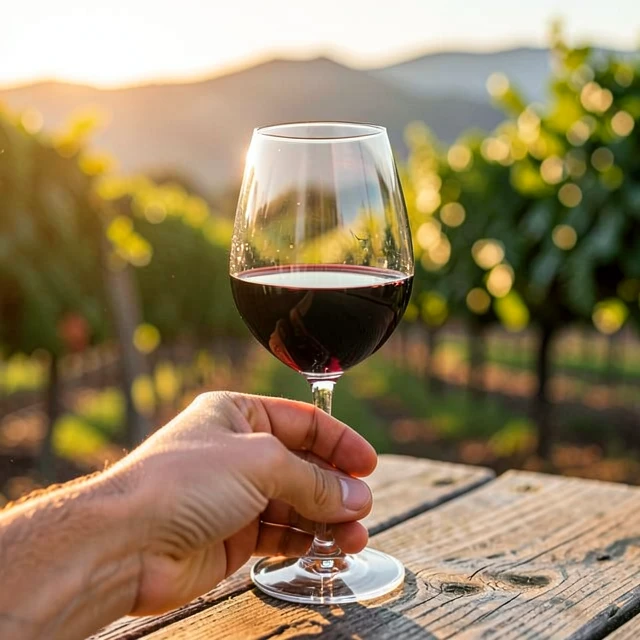
Ready to taste? Experts break it down into four easy parts: look, sniff, sip, and savor. I remember my first try—nervous hands shaking the glass a bit too hard. But practice makes it fun. Follow these, and you'll impress yourself.
-
Look at the Color and Clarity: Hold your glass against a white napkin or paper. Is the wine pale yellow, deep purple, or somewhere in between? Clear means clean; cloudy might mean it's unfiltered (and that's okay!). This quick check tells you about the wine's age and style.
-
Sniff the Aroma: Swirl gently to wake up the scents. Stick your nose in and breathe deep. What hits you first? Fresh fruit like berries? Or something earthy, like leather? No wrong answers here. Your nose picks up 80% of flavor, so trust it.
-
Sip and Swirl in Your Mouth: Take a small sip. Let it roll over your tongue—front for sweetness, sides for acidity, back for tannins (that dry, grippy feel in reds). Spit if you want; it's pro-level.
-
Savor the Finish: Swallow or spit, then note the aftertaste. Does it linger sweetly or fade fast? A long finish often means quality.
These steps come straight from the four basic steps to wine tasting outlined by the University of Michigan Wine Club, a go-to for campus enthusiasts. They keep things straightforward, just like chatting with a friend over drinks.
Exploring Beringer’s Best Wines for Beginners
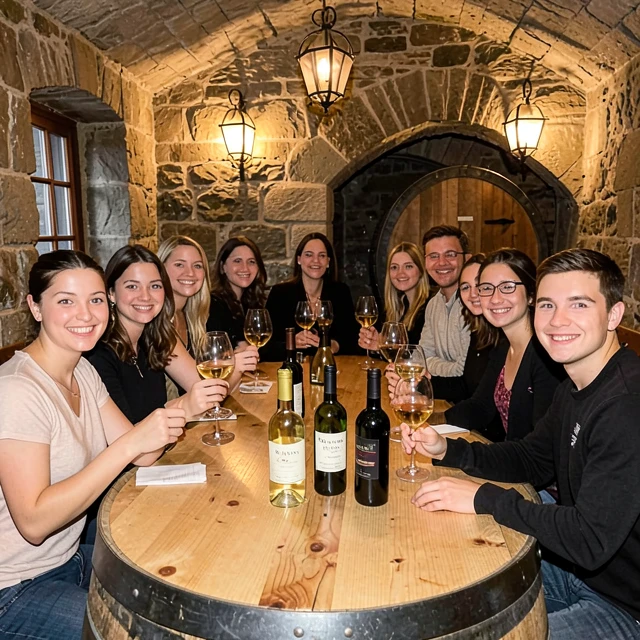
Napa Valley shines bright, and Beringer leads the way with wines that welcome newcomers. Founded in 1876, Beringer crafts bottles that balance bold flavors with easy drinking. I fell for their Chardonnay on a rainy afternoon—it wrapped me in creamy apple notes like a cozy blanket.
Start with these crowd-pleasers:
| Wine | Why It's Beginner-Friendly | Tasting Notes |
|---|---|---|
| Beringer White Zinfandel | Light and fun, low alcohol | Strawberry, watermelon, a hint of fizz |
| Beringer Chardonnay | Smooth and versatile | Green apple, vanilla, buttery finish |
| Beringer Cabernet Sauvignon | Bold yet approachable | Black cherry, soft tannins, spice |
Pick one based on your meal. White Zinfandel pairs with salads; Cab with steak. Beringer's lineup proves you don't need a PhD to enjoy premium sips.
Pro tip: Visit Beringer's site for vintage details and pairing ideas to match your mood.
How to Choose the Right Wine for Your Palate: Tips from Beringer
Your taste buds are unique—like fingerprints. Beringer sommeliers say start broad, then narrow down. Sweet or dry? Light or full-bodied? I once chased 'dry' wines until a Beringer rep nudged me toward off-dry options. Game-changer.
Here's a quick palate quiz: - Love fruity cocktails? Go rosé or sweet whites. - Crave coffee's boldness? Try oaked reds. - Prefer crisp salads? Acidic whites are your match.
Beringer's wine and cheese guide expands this: Match intensity to avoid clashes. Light cheese with light wine; creamy Brie with oaky Chardonnay. As Ecole Hôtelière de Lausanne experts advise, train your nose and palate with daily sips—start with familiar fruits to build scent memory.
Action step: Next grocery run, grab three bottles of one grape from different spots. Taste side-by-side. It's like a flavor detective game.
Beringer Wine Tasting Events: Your Ticket to Hands-On Fun
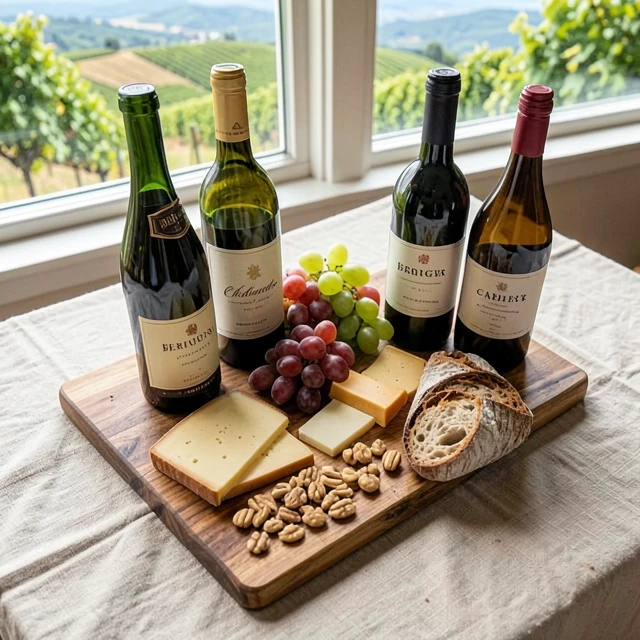
Nothing beats tasting at the source. Beringer's events turn novices into fans. Their Estate Tour & Tasting walks you through historic cellars, pouring flights that tell Napa's story. I joined one last spring—sun-dappled gardens, expert pours, and zero judgment for 'newbie' questions.
Upcoming highlights: - Holiday Sip & Shop: Festive tastings with seasonal wines (December weekends). - Rhine House Premium Tasting: Intimate mid-week sessions in a Victorian mansion. - Private Group Events: Book for birthdays or book clubs.
Check Beringer's event calendar for dates. As Cornell's wine industry guide notes, events build sensory skills through real-world practice—far better than books alone.
Personal story: At my first Beringer event, I swirled a Cabernet wrong and giggled through a splash. The host just smiled and said, 'That's how legends start.' It freed me to experiment.
Common Mistakes and How to Dodge Them
We all trip up. Don't gulp—sip small. Skip strong perfumes; they muddle scents. Eat light before tasting to keep your palate sharp.
From Auguste Escoffier's sommelier tips, beginners thrive by asking questions. 'What grape is this?' opens doors. And remember: No 'bad' wines, just mismatches.
Build your kit: Stemmed glasses, a notebook for notes, and cheese to cleanse between sips. Start home tastings with friends—turn it into a party.
Pairing Wine with Food: Beringer-Style
Food amps up wine's magic. Beringer's Cabernet loves grilled meats; Chardonnay hugs seafood. Rule of thumb: Acid cuts fat, tannins tenderize protein.
Try this easy chart:
| Food Type | Beringer Pairing | Why It Works |
|---|---|---|
| Salads & Fish | Chardonnay | Crisp acidity refreshes |
| BBQ & Burgers | Cabernet Sauvignon | Bold flavors match smoke |
| Cheese Platters | White Zinfandel | Sweetness balances salt |
Experiment fearlessly. My go-to: Beringer rosé with pizza—unexpected bliss.
Storing and Serving: Quick Wins
Keep wines cool (55°F ideal) away from light. Serve reds at room temp, whites chilled. Corkscrews? Twist gently. These basics, per UC Davis resources, preserve flavors for peak enjoyment.
Wrapping Up: Your Next Pour Awaits
You've got the tools: steps to taste, Beringer picks to try, and events to join. Wine tasting builds joy sip by sip—celebrate your discoveries. Start small, stay curious, and soon you'll guide others. Cheers to your flavorful journey!