Biodynamic Winemaking: A Holistic Approach to Sustainability
Overview
Biodynamic winemaking is a fascinating way to grow grapes and make wine. It’s all about treating the vineyard like a living system, where soil, plants, and even the stars work together. Started by Rudolf Steiner in the 1920s, this method goes beyond organic farming by using natural preparations and lunar cycles. It’s sustainable, eco-friendly, and produces wines that truly taste like the place they come from. In this article, we’ll dive into how it works, why it matters, and what makes it special.
What Makes Biodynamic Winemaking Different?
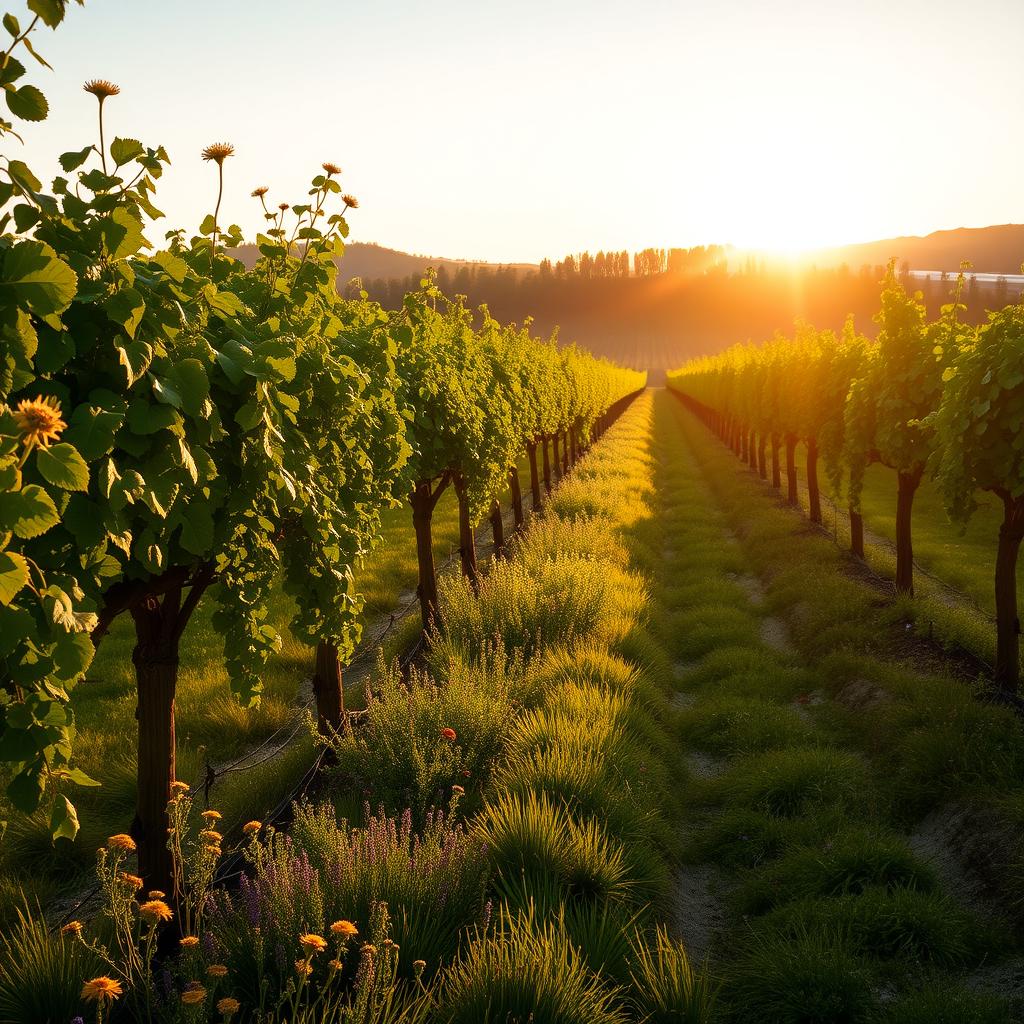
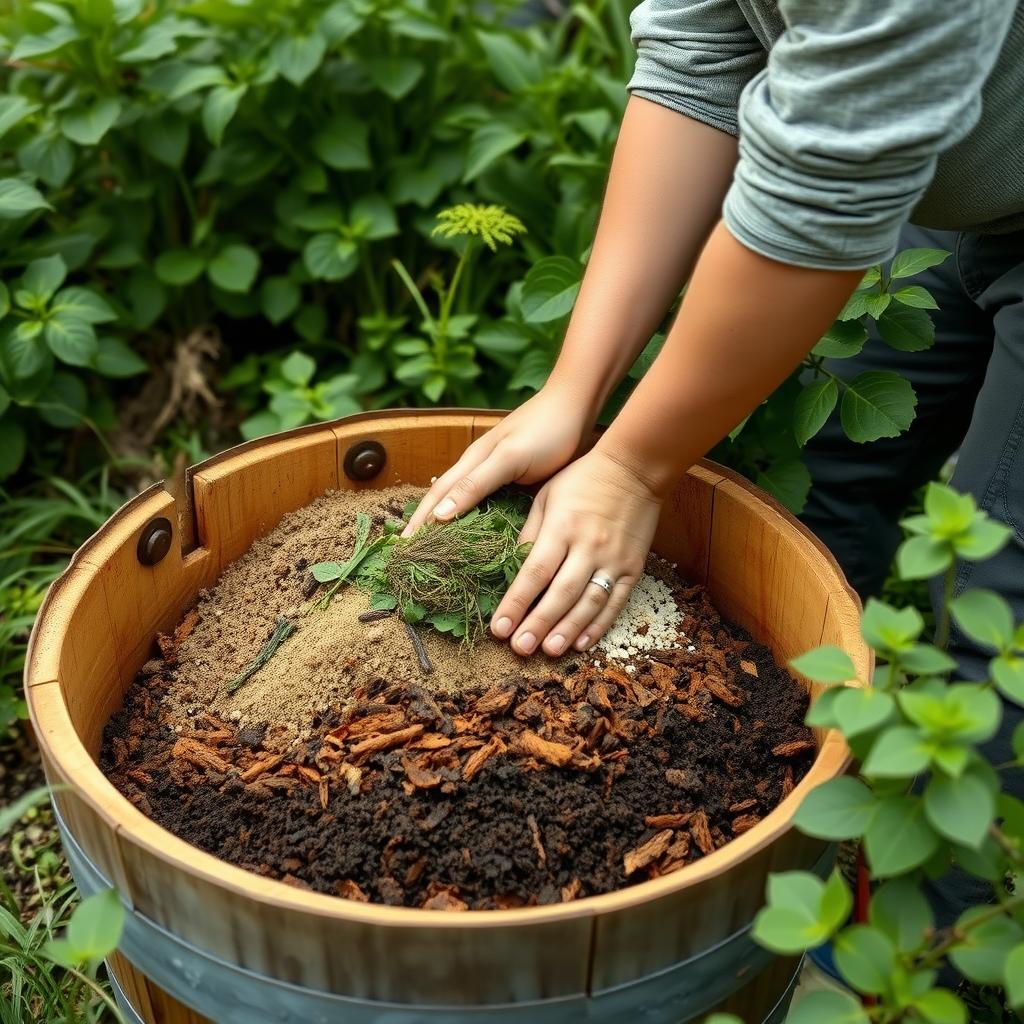
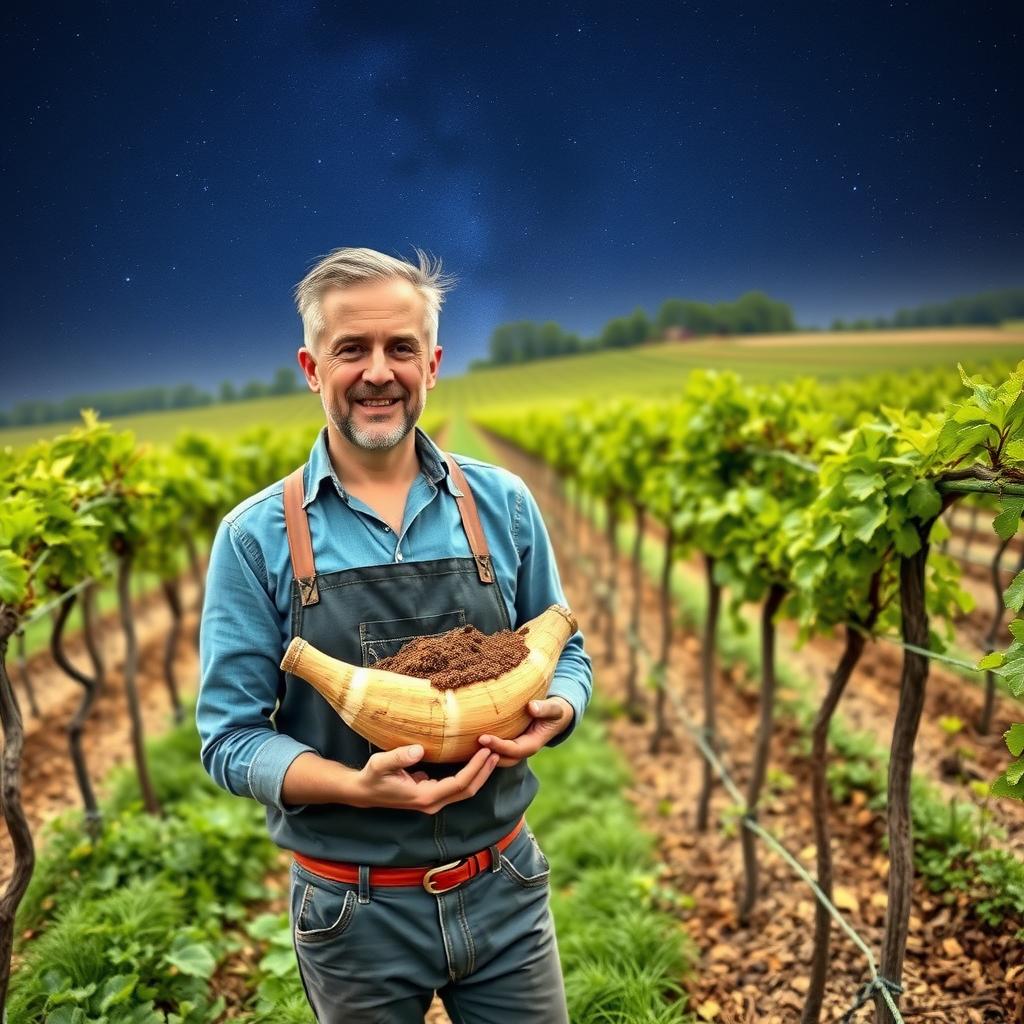
At its heart, Biodynamic Winemaking: A Holistic Approach to Sustainability is about balance. It’s not just about avoiding chemicals like organic farming does. It’s about building a vineyard that can take care of itself. Farmers use special composts—like herbs stuffed in cow horns and buried underground—to boost soil life. They also time their planting and harvesting with the moon’s phases, believing it connects the vineyard to nature’s rhythms.
Take biodiversity, for example. Biodynamic vineyards are full of life—cover crops, animals, and native plants all play a role. This mix keeps pests in check naturally and makes the soil richer over time. It’s a big step beyond basic sustainable practices.
I’ve visited a biodynamic winery once, and the energy there was incredible. The winemaker showed us sheep grazing between the vines, keeping the grass short without machines. It felt like the land was alive, not just a factory for grapes.
How It Compares to Organic and Sustainable Winascape
Here’s a quick breakdown of how biodynamic winemaking stacks up:
| Approach | Focus | Unique Feature |
|---------------------|------------------------------------|------------------------------------|
| Organic | No synthetic chemicals | Natural pest control |
| Sustainable | Environment, society, economy | Broad impact focus |
| Biodynamic | Self-sustaining ecosystem | Lunar cycles, special preparations|
Organic keeps things simple—no nasty chemicals. Sustainable looks at the big picture, like water use and worker fairness. Biodynamic? It’s the whole package, plus a touch of cosmic magic.
Why It’s Good for the Planet
Biodynamic winemaking shines when it comes to sustainability. By skipping synthetic fertilizers and pesticides, it protects water and wildlife. Healthy soil traps carbon, cutting down on greenhouse gases. Plus, all that biodiversity—think flowers, bugs, and birds—keeps the ecosystem strong.
Research from the Biodynamic Association shows these practices can improve soil health by up to 25% compared to conventional methods. That’s a big deal for long-term farming. And because it’s a closed-loop system, there’s less waste—everything gets reused or recycled on-site.
The Wine Itself
Here’s the fun part: biodynamic wines taste amazing. Growers say the healthy soil and natural methods let the grapes show off their true flavors. I’ve tried a biodynamic Pinot Noir that was so vibrant—like drinking the vineyard itself. Wine lovers often say these bottles have a special depth you can’t fake.
Big names like Jackson Family Wines are all in on this. Known for their sustainable practices at Jackson Family Wines, they’ve gone biodynamic in some vineyards. They use solar power, save water, and let nature do the heavy lifting. The result? Delicious wines that don’t cost the earth.
Real-World Examples
Jackson Family Wines isn’t alone. Other wine brands like Emiliana in Chile and Domaine Zind-Humbrecht in France prove biodynamic works. Emiliana’s vineyards are a jungle of plants and animals, cutting pesticide use to zero. Zind-Humbrecht’s wines win awards while keeping the land healthy. These Guide to Eco-Friendly Wine Brands show how practical—and profitable—this approach can be.
Visiting one of these places is a treat. I remember sipping a biodynamic Sauvignon Blanc while the winemaker explained how lunar planting makes the vines stronger. It’s hard to argue when the proof’s in your glass.
Challenges to Know About
It’s not all easy. Going biodynamic takes time and money—certification from groups like Demeter USA is strict. You’ve got to track lunar calendars, make those funky composts, and wait years to see the full benefits. Some folks roll their eyes at the astrology part, saying there’s no hard proof.
But the winemakers I’ve met don’t care about skeptics. They see the soil get richer and the grapes get better. Studies, like one from Cornell University, back them up—biodynamic farms often outlast conventional ones in tough climates.
How to Spot Biodynamic Wines
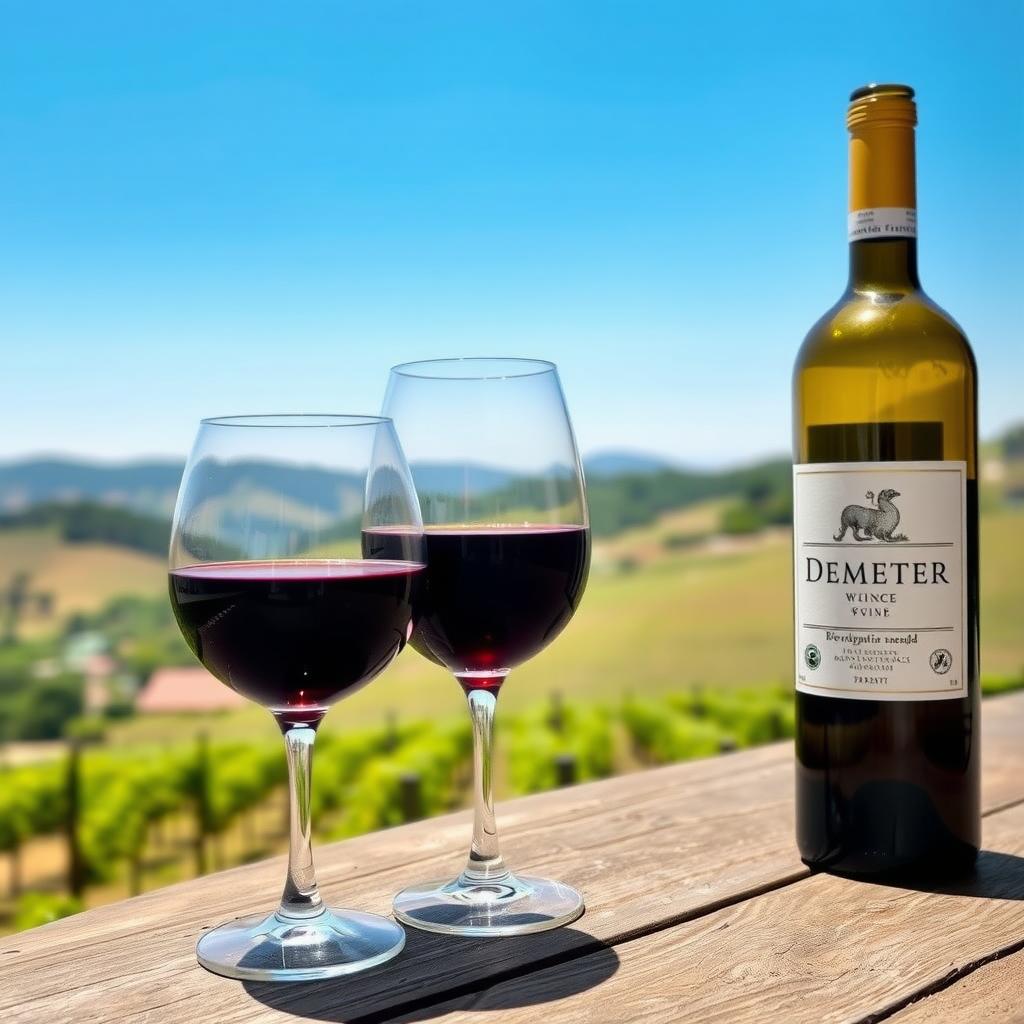
Want to try one? Look for labels with Demeter or Biodyvin logos—they’re the gold standard. Your local wine shop might carry wine brands like Bonterra or Frey Vineyards, both biodynamic champs. Or check online—most growers brag about their practices.
Here’s a short list of brands to hunt down:
- Jackson Family Wines (select bottles)
- Bonterra Organic Vineyards
- Emiliana Organic Vineyards
Pro tip: Pair them with cheese or dark chocolate. The flavors pop.
Wrapping It Up
Biodynamic Winemaking: A Holistic Approach to Sustainability is more than a trend—it’s a promise to the planet. It blends old-school wisdom with modern smarts to grow grapes that taste great and do good. From boosting biodiversity to cutting carbon, it’s a win for everyone. Next time you’re sipping a glass, think about the vineyard behind it. Maybe it’s one keeping the earth happy, one lunar cycle at a time.