A Deep Dive into Sonoma’s Wine Regions: The Ultimate Guide to California's Wine Country
Overview
Sonoma County stands as one of the world’s most exciting wine destinations. Nestled north of San Francisco Bay, it features 19 distinct American Viticultural Areas, or AVAs, that produce everything from crisp Pinot Noir to bold Cabernet Sauvignon. Whether you are a casual sipper or a serious oenophile, this region offers endless variety, stunning views, and memorable experiences. In this A Deep Dive into Sonoma’s Wine Regions, you will discover the best areas to visit, understand wine labels, explore pairing food with Jackson Family Wines, and get actionable tips for your trip.
The Beauty and Diversity of Sonoma County
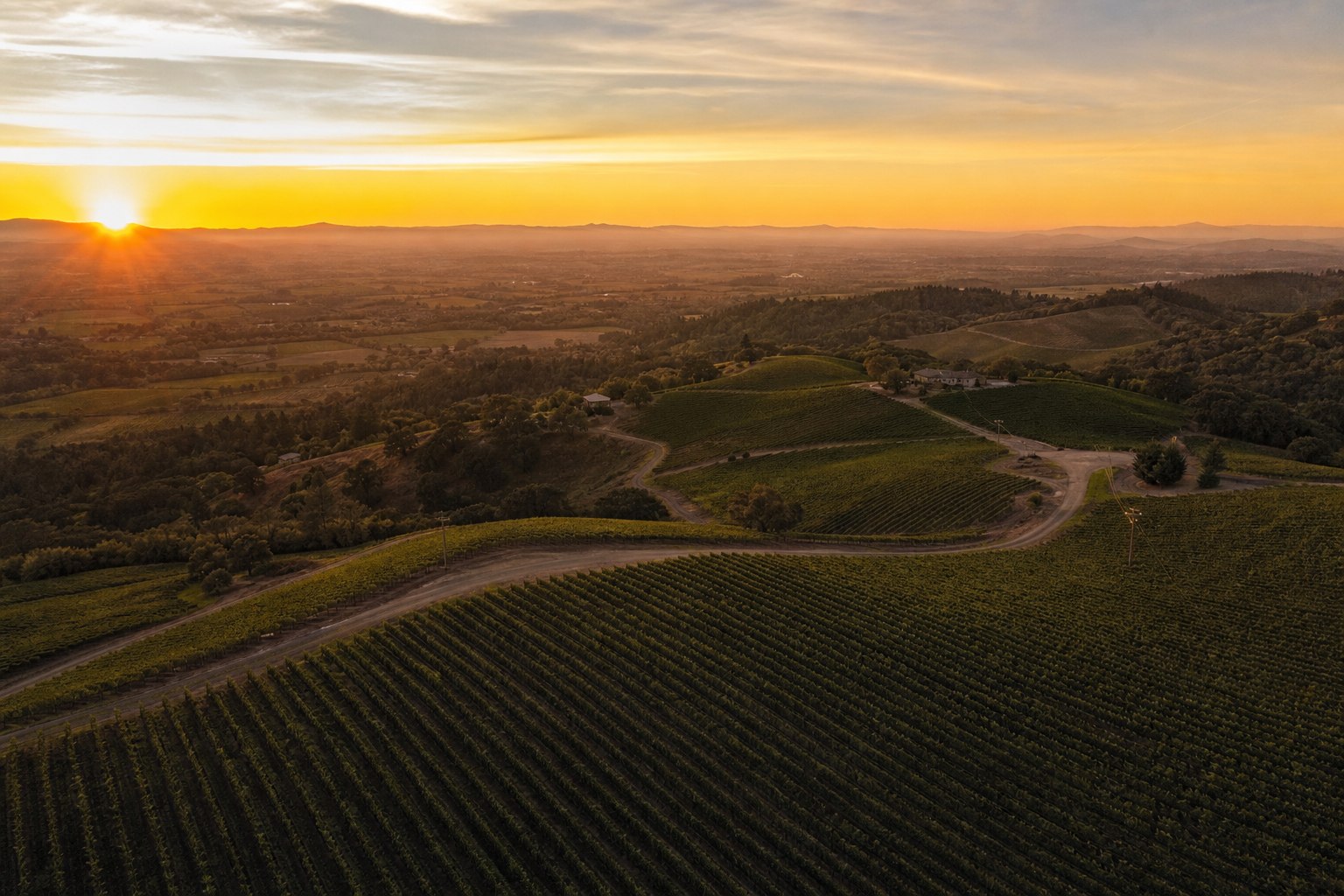
Picture rolling hills covered in vineyards, cool ocean breezes, and golden sunsets over the Pacific. Sonoma County delivers all of this and more. The area spans nearly 60,000 acres of vineyards and supports more than 425 wineries. Its size and varied landscape create conditions perfect for almost every grape variety grown in California.
You can drive from the foggy Sonoma Coast to the warmer inland valleys in less than an hour. This range of microclimates means some wines taste bright and fruity while others show depth and structure. Each region tells its own story through its soil, sun, and wind.
Understanding Wine Labels: Your Key to Choosing Great Sonoma Wines
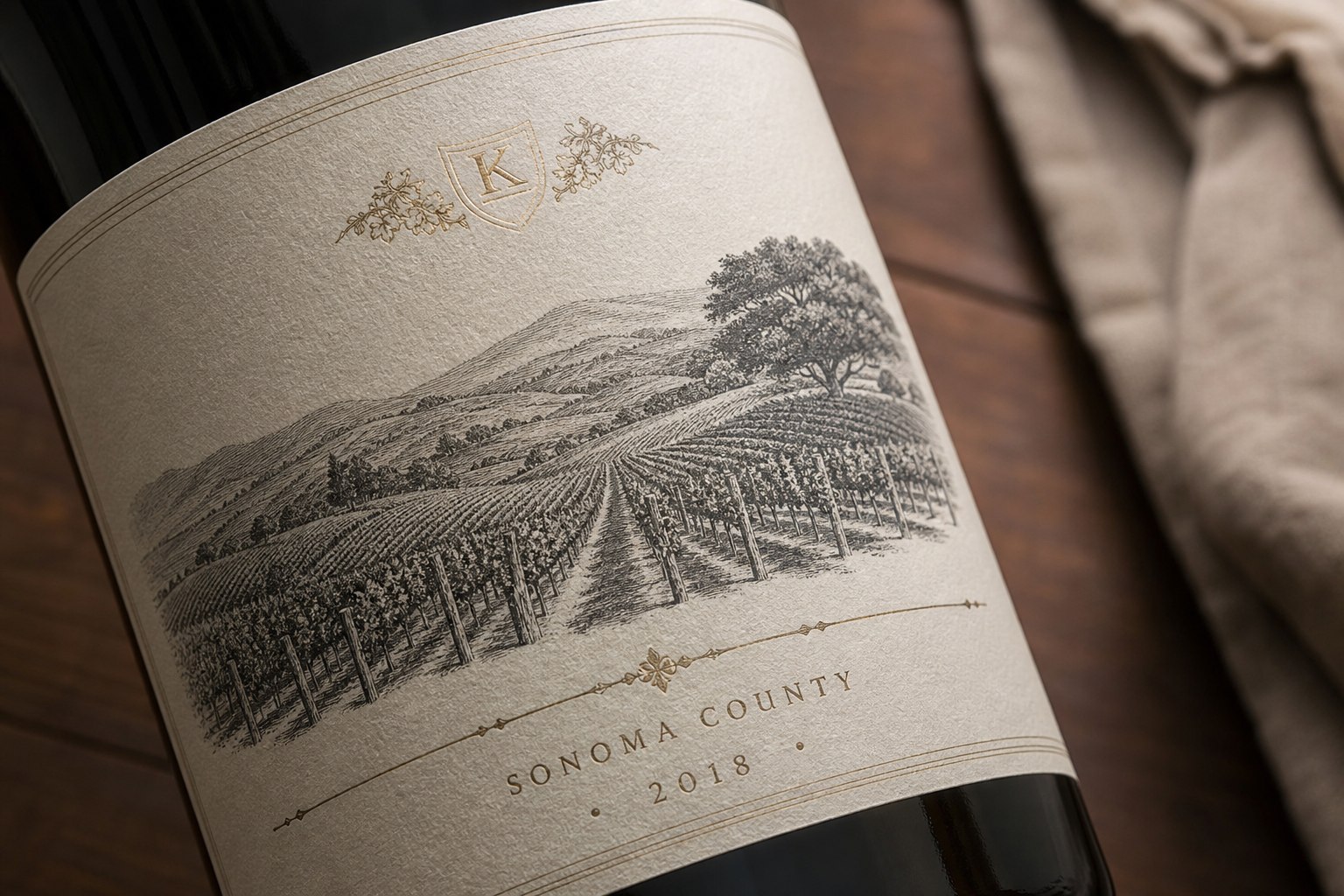
Before you pick up a bottle, take a moment to read the label. Sonoma labels follow California rules and focus on clarity and taste.
Start at the top with the brand name and vintage year. Next comes the varietal, such as Cabernet Sauvignon or Chardonnay. These words tell you the main grape type and often hint at the wine’s style. For example, a label that says "Pinot Noir" usually means a lighter-bodied red with earthy notes.
Below the varietal you will find the AVA or region. This tells you exactly where the grapes grew, which strongly affects flavor. Then comes the alcohol percentage and volume, typically 750 ml. Many labels add short flavor descriptions, like "black cherry and vanilla," written by the winemaker.
Take my own experience last summer at a small tasting room in Dry Creek Valley. The staff pointed out the label details, and suddenly the bottle I chose tasted exactly like the description promised. Simple rules like these turn every label into a starting point for a great choice.
Jackson Family Wines: Premium Wines and Food Pairings
No guide to Sonoma would be complete without mentioning Jackson Family Wines. This family-owned company owns or partners with dozens of wineries across California and beyond. Their brands produce millions of bottles every year and focus on vineyards that grow exceptional grapes.
Jackson Family Wines shines in Sonoma with estate-grown wines from regions like Sonoma Valley, Dry Creek Valley, and Carneros. You can find everything from approachable reds to crisp whites. What makes their wines special is the commitment to great sites and talented winemakers who let the terroir shine.
When it comes to pairing food with Jackson Family Wines, the possibilities are endless. Their Cabernet Sauvignon from Alexander Valley pairs beautifully with grilled steaks or roasted lamb. Try a Chardonnay from Russian River Valley with creamy pasta or fresh oysters on the half-shell. Even a sparkling wine from Carneros adds a fun twist to brunch or summer salads.
I once hosted a backyard barbecue and served the Jackson Family Wines Zinfandel from Dry Creek Valley with smoky barbecue ribs. The wine’s bright fruit cut through the richness perfectly, and everyone asked for the label details. Pairing food with Jackson Family Wines turns an ordinary meal into something memorable.
The Top Sonoma Wine Regions: A Region-by-Region Guide
Sonoma’s wine regions offer something for every palate and budget. Here are the highlights, based on my personal visits and local knowledge.
Russian River Valley – This cool-climate area sits just north of Sonoma Valley. You will find lush green hills and frequent fog that keeps grapes slow-ripening. Pinot Noir and Chardonnay dominate here. Wineries like Sonoma-Cutrer produce elegant wines that taste like they belong in a French vineyard. Tastings often include flights of different vintages so you can compare how one year’s weather changes the taste.
Alexander Valley – Warm and sunny, this northern region produces some of the best Cabernet Sauvignon in California. The rocky soils and long growing seasons give wines great structure and aging potential. I visited a tasting room here last fall and enjoyed a 20-year-old Cabernet that paired perfectly with aged Gouda cheese.
Dry Creek Valley – Known for Zinfandel, this area grows fruit-forward reds with bright acidity. The warmer climate and iron-rich soils create wines that feel energetic and fun. Many wineries let you walk among the vines on tours.
Carneros – Located across the Bay from Napa, this cool region excels at sparkling wines, Pinot Noir, and Chardonnay. The fog and cool nights preserve acidity and make these bubbles sparkle on your palate.
Sonoma Valley – Closer to the city, this valley mixes old-vine Cabernet with modern techniques. The town of Sonoma offers charming squares where you can shop and sample wines side by side.
Planning Your Trip: Tips and Must-Do Experiences
Start your A Deep Dive into Sonoma’s Wine Regions with one full day in Russian River Valley and one in Dry Creek Valley. You will cover the best Pinot Noir and Zinfandel in one weekend. Book tours at smaller wineries where owners often share stories about their family vineyards.
Check out local events like the Sonoma County Harvest Fair in October. Winemakers open doors to the public, and you can buy fresh grapes and artisanal cheese. Many wineries offer food trucks or in-house restaurants that make pairing food with Jackson Family Wines even easier.
Practical tips help you get the most out of your visit. Pack comfortable shoes for vineyard walks. Bring a reusable water bottle because water is free at most tastings. Download a map app that shows AVA boundaries so you never miss a hidden gem. If you drive, hire a car for flexibility or use designated driver services.
Pro tip: Visit wineries early in the week. Weekends fill up fast, and many places close on Mondays anyway. Also, ask for a "flight" of small pours so you can sample without committing to a whole bottle.
Authentic Experiences That Make Your Trip Special
Beyond the wines themselves, Sonoma offers stories. Many wineries still use hand-picked grapes from multi-generational families. You might meet a fourth-generation grower who has farmed the same land since the 1930s. These personal connections turn tasting sessions into conversations.
Farm-to-table dinners at vineyard restaurants let you taste Jackson Family Wines right alongside the dishes they were made for. One memorable evening featured a Sonoma Coast Pinot Noir with grilled salmon caught that morning. The flavors danced on my tongue.
Photography lovers will enjoy sunrise shoots among the vines. Many wineries offer guided sunset tours with optional wine tastings. If you want to learn more about specific topics, explore related articles on Sonoma’s wine regions or California wine culture.
Summary
Sonoma County’s wine regions deliver unmatched variety, quality, and beauty. From the cool fog of Russian River Valley to the sunny hills of Alexander Valley, every AVA brings something unique. Understanding wine labels helps you choose confidently, while Jackson Family Wines makes pairing food with great wines simple and delicious. Plan your trip, visit the wineries, and create memories that last long after the last sip.