Family-Owned Wineries: A Legacy of Quality
Family-owned wineries are treasures of the wine world, weaving together tradition and innovation. For generations, these estates have crafted high-quality wines while staying true to their roots. This article explores their legacy, the lives of winemakers, wine tourism, and how they preserve heritage in a modern age.
Behind the Scenes: The Life of a Winemaker
The life of a winemaker in a family-owned winery is a blend of hard work and heartfelt dedication. It’s not just about making wine—it’s about carrying forward a family legacy. Picture waking up before dawn to check the vines, tasting grapes to decide the perfect harvest moment, and spending late nights in the cellar perfecting each batch. These winemakers don’t just follow a job description; they live the seasons, the soil, and the stories tied to their land.
In these families, winemaking often starts young. Kids grow up running through vineyards, learning which grapes thrive where and how weather shapes each vintage. This hands-on knowledge gives their wines a special touch—something big companies can’t replicate. According to a study from UC Davis, small family wineries often focus on quality over quantity, leading to more distinctive flavors. Their personal stake in every bottle shines through in the care they take.
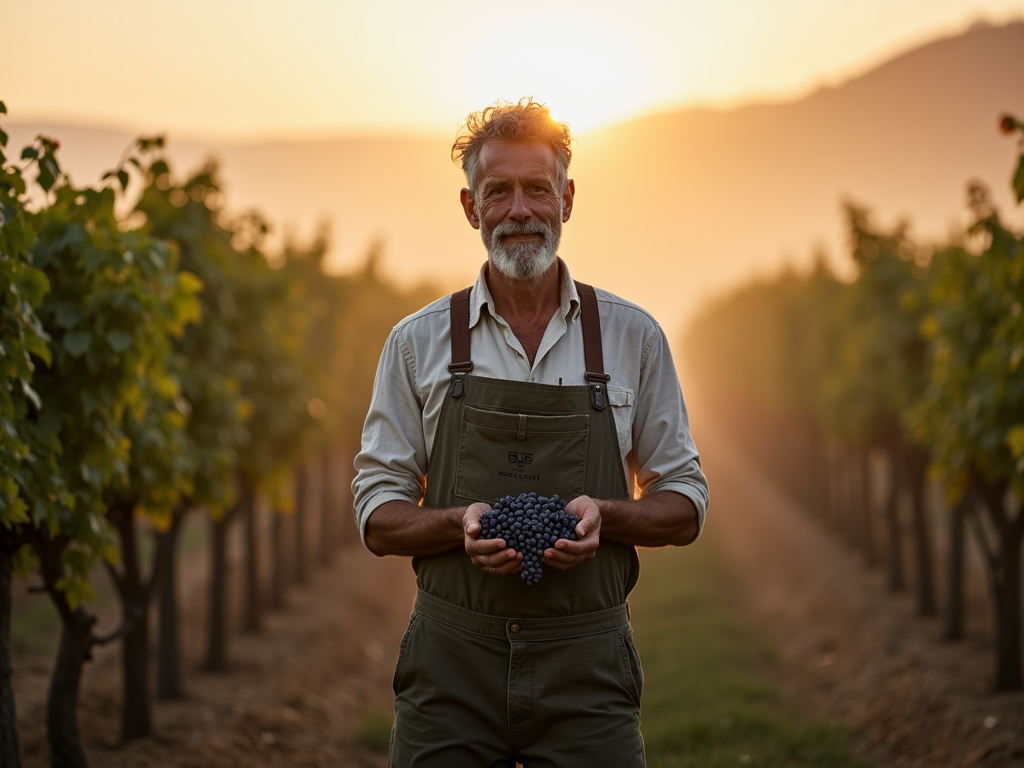
Every day brings new challenges. Spring means tending young vines. Summer demands constant monitoring for pests or drought. Fall is a race to harvest at peak ripeness. Winter offers a brief pause to plan the next cycle. This relentless effort creates wines that tell a story—of the land, the family, and their unbreakable bond.
Wine Tourism: Experience the Charm of Family-Run Vineyards
Visiting a family-owned winery isn’t like touring a factory—it’s stepping into someone’s home. These places welcome you with open arms, offering a peek into their world. You might meet the owner pouring your tasting glass or hear a grandkid explain why this vintage tastes like summer rain. It’s personal, real, and unforgettable.
Here’s what you can expect:
- Guided Tours: Walk the vineyards with someone who knows every inch of the soil.
- Tastings: Sip wines while hearing tales of the family’s triumphs and struggles.
- Events: Join harvest parties or blending classes for a hands-on adventure.
- Food: Pair your wine with fresh, local dishes—sometimes cooked by the family.
Wine tourism isn’t just fun; it keeps these wineries alive. The Wine Institute reports that tourism boosts small winery revenue by up to 30%, helping them compete with big brands. It’s a chance to taste the charm of family-run vineyards and support their craft.
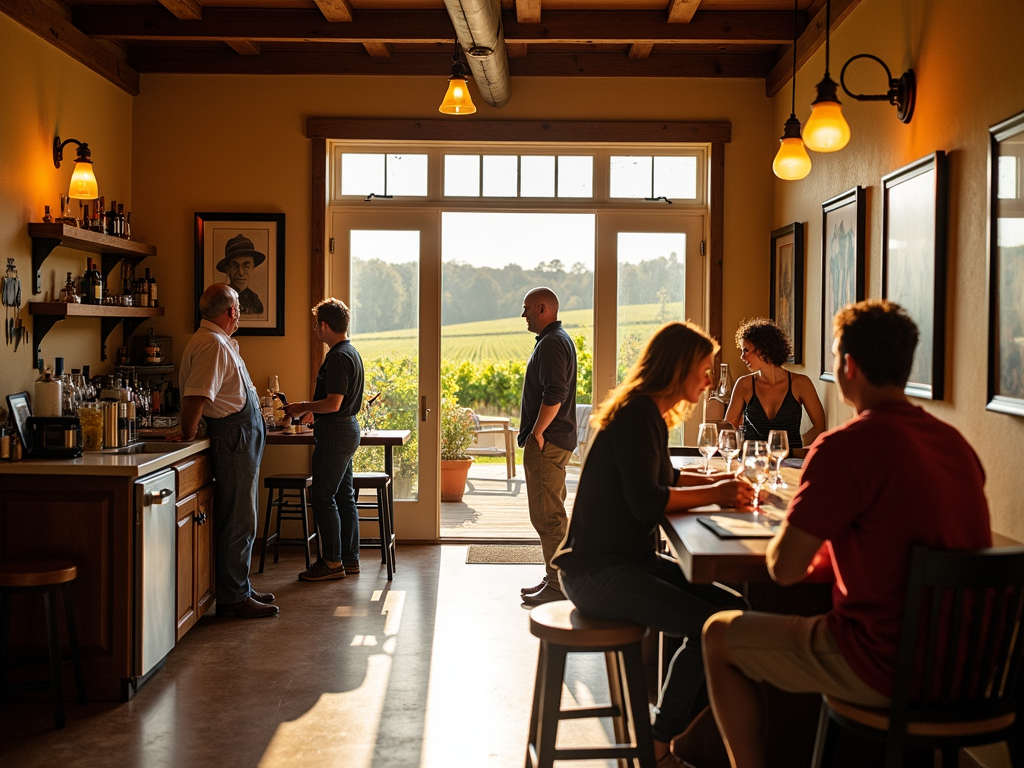
These visits create memories. You’re not just buying a bottle—you’re taking home a piece of their story. Whether it’s a crisp Sauvignon Blanc or a bold Cabernet, each sip connects you to the people who made it happen.
Family-Owned Wineries: Preserving Heritage in a Corporate World
In today’s wine industry, big corporations often dominate shelves with mass-produced bottles. But family-owned wineries stand firm, keeping old ways alive while adapting to new demands. They’re not chasing trends—they’re honoring history.
Here’s how they do it:
- Traditional Methods: Hand-picking grapes or using ancient oak barrels keeps flavors authentic.
- Sustainability: Families plan for the long haul, using eco-friendly tricks like cover crops to protect soil.
- Unique Wines: They grow rare grapes or highlight local quirks, avoiding the one-size-fits-all approach.
- Community Ties: They hire locals, host events, and keep their region’s spirit alive.
This focus sets them apart. A report by the National Sustainable Agriculture Coalition highlights how small wineries lead in sustainable practices, ensuring their land thrives for future generations. They prove quality beats quantity every time.
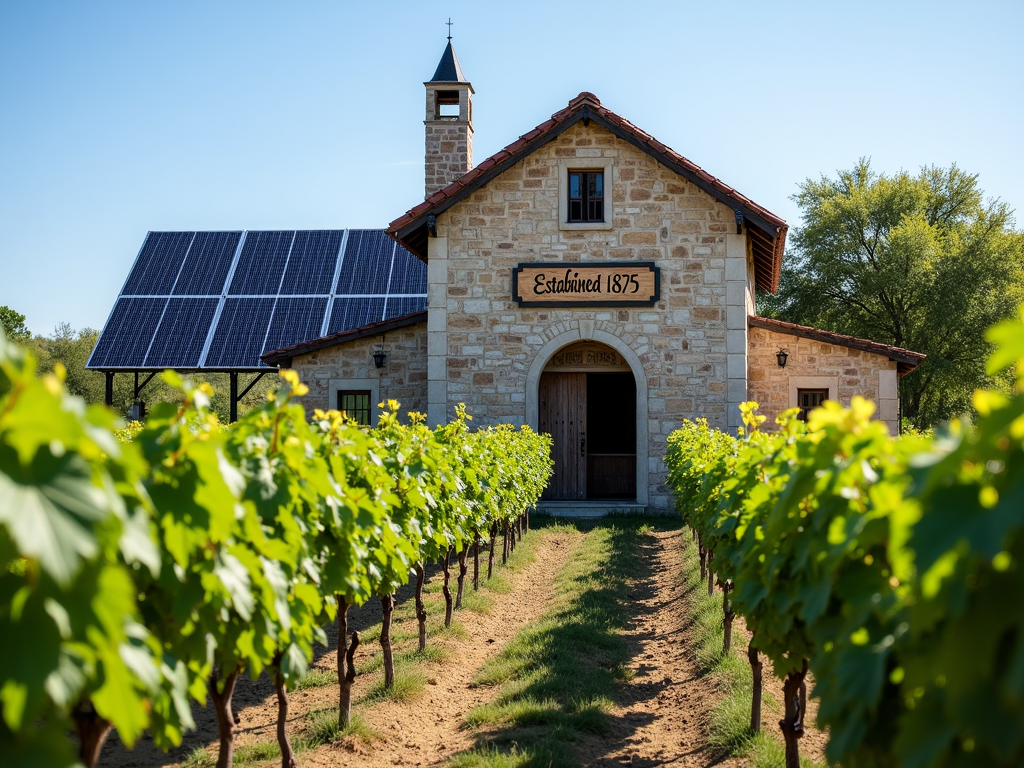
It’s not always easy. Rising costs and competition push them hard. Yet, their grit—and your support—keeps them going. When you choose their wine, you’re voting for heritage over homogenization.
Exploring California’s Vintner Heritage Through Local Wineries
California’s wine scene owes much to its family-owned wineries. From Napa’s rolling hills to Sonoma’s rugged coast, these estates built the state’s reputation. They started small—immigrants planting vines in the 1800s—and grew into a powerhouse of flavor and innovation.
What makes them special?
| Aspect | Details |
|---|---|
| Pioneers | Early families tested grapes like Zinfandel, shaping California’s style. |
| Innovation | They mix old-school know-how with new tech, like drip irrigation. |
| Variety | Bold reds, crisp whites—they capture the state’s diverse landscapes. |
| Global Roots | Italian, French, and Spanish traditions shine in their wines. |
Take Napa Valley’s Robert Mondavi Winery, started by a family with a vision. Or Paso Robles’ hidden gems, where new generations keep pushing forward. The California Wine Institute notes that family wineries drive tourism and preserve local culture, making every visit a history lesson in a glass.
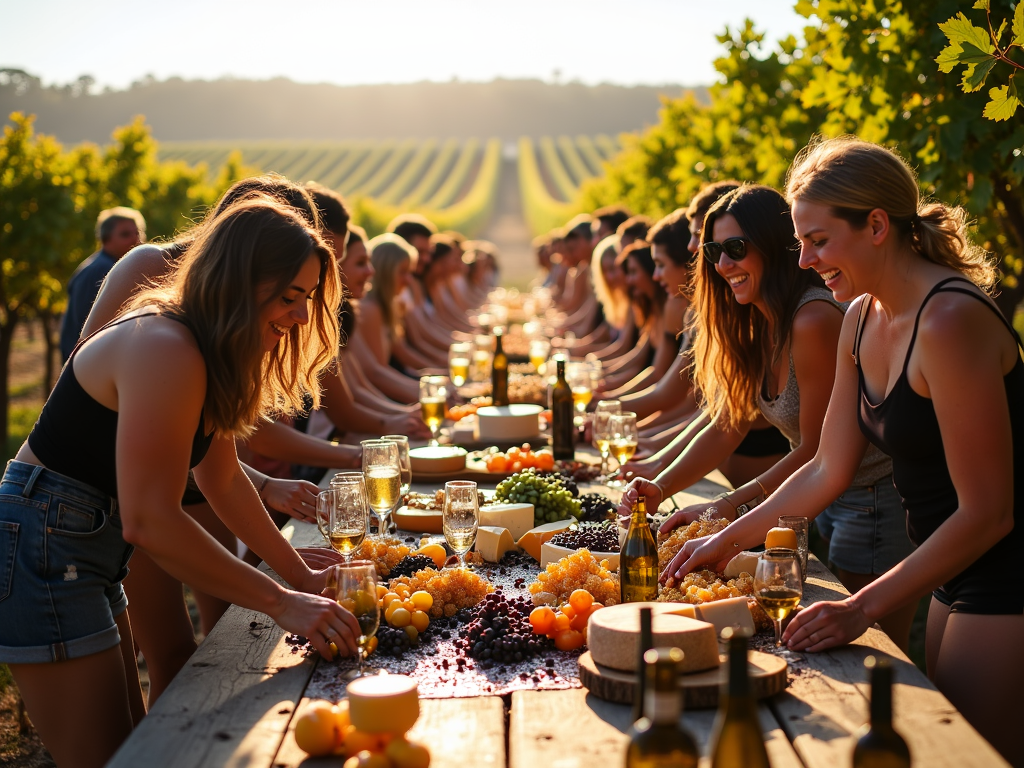
Exploring these wineries feels like time travel. You taste the past in every pour—grapes nurtured by hands that know them best. It’s California’s vintner heritage, alive and thriving.
A Lasting Legacy
Family-owned wineries are more than businesses—they’re keepers of tradition and makers of quality. Their winemakers live for the craft, their vineyards welcome visitors with warmth, and their wines carry a heritage that corporate giants can’t touch. By choosing their bottles or visiting their estates, you help preserve this legacy. Dive into their world, taste their passion, and see why family-run wineries remain the heart of wine culture.