A Guide to Biodynamic Winemaking: Growing Green with Sustainable Practices
Biodynamic winemaking is a fascinating blend of tradition and sustainability. It’s a holistic way to grow grapes that treats the vineyard like a living system. Based on Rudolf Steiner’s ideas from the 1920s, it focuses on natural methods, biodiversity, and syncing with nature’s rhythms. In this guide, we’ll dive into what makes biodynamic winemaking special, why it matters, and how it’s shaping a greener future for wine.
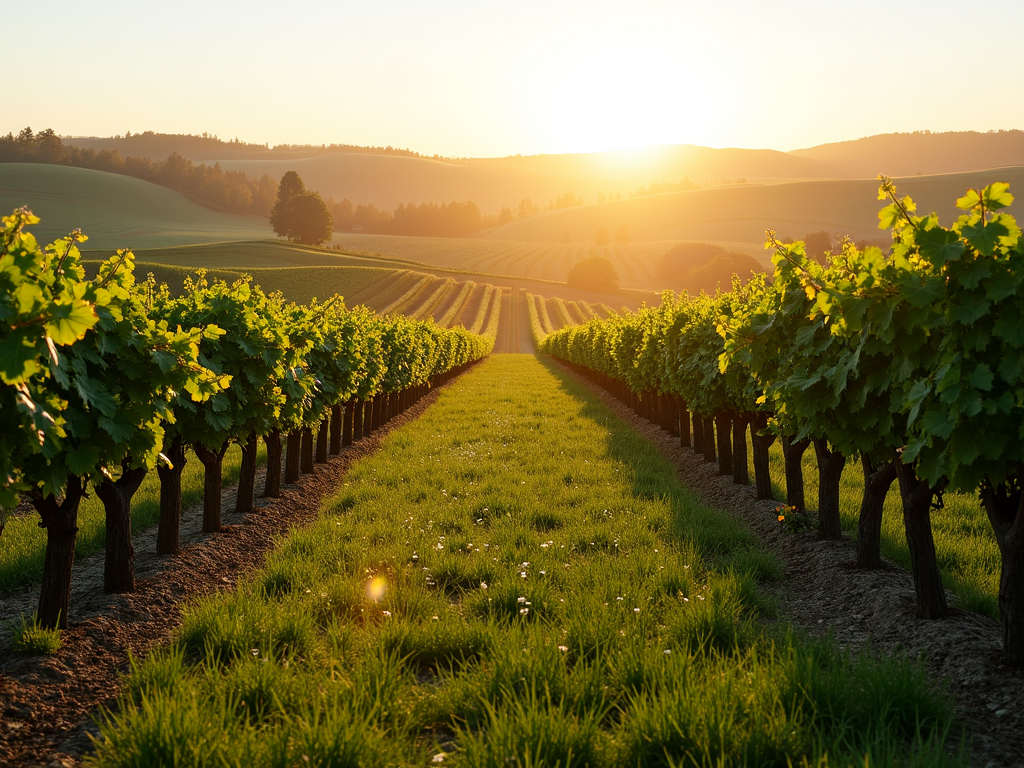
What Is Biodynamic Winemaking?
Biodynamic winemaking goes beyond organic farming. It’s about building a vineyard that thrives on its own. Instead of chemicals, winemakers use natural mixtures—like compost made from cow manure or herbal teas from plants like chamomile—to feed the soil and vines. These mixtures, called biodynamic preparations, keep everything healthy without artificial help.
Timing matters too. Biodynamic farmers follow the moon and stars to decide when to plant, prune, or harvest. For example, they might wait for a full moon to pick grapes, believing it boosts flavor. It’s a way to work with nature, not against it.
The Role of Biodiversity in Sustainable Vineyards
Walk into a biodynamic vineyard, and you’ll see more than just grapes. There are flowers, grasses, and even animals—all working together. This variety, or biodiversity, is a big deal. Plants like clover grow between vines to enrich the soil. Bees buzz around wildflowers, pollinating crops. Birds and bugs keep pests in check naturally.
This mix reduces the need for sprays or fertilizers. It’s like a team effort where every player has a role. The result? A vineyard that’s alive, balanced, and strong.
Growing Green: Sustainable Practices in Modern Vineyards
Sustainability isn’t just a buzzword in biodynamic winemaking—it’s the goal. Healthy soil is step one. By adding compost and avoiding heavy machinery, these vineyards build soil that lasts. Better soil means stronger vines and tastier grapes.
Water use is smart too. Many biodynamic growers skip irrigation, letting rain do the work. This forces vines to dig deep for water, which can make the wine more unique. Plus, it saves a precious resource.
Some wineries take it further. Take Jackson Family Wines, for example. They’re big on organic vineyards and biodynamic methods. They’ve even added solar panels to cut energy waste. It’s proof you can make great wine and still care for the planet.
My Day at a Biodynamic Vineyard
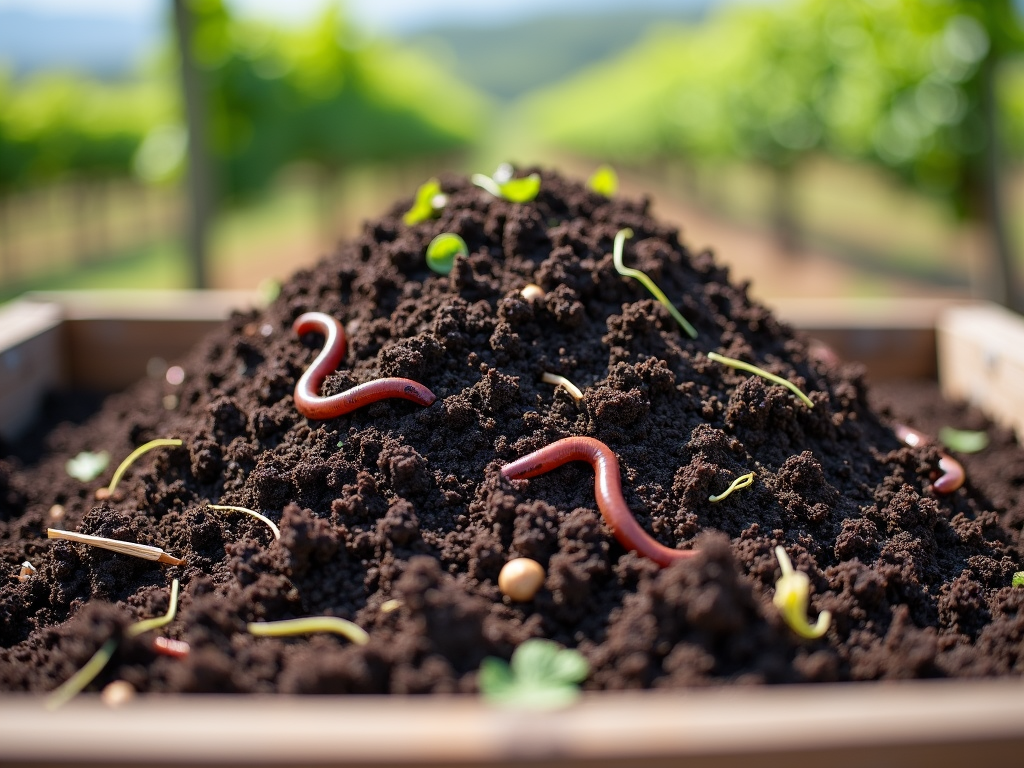
Last summer, I visited a biodynamic vineyard in California. The air smelled like earth and flowers. The winemaker, Anna, walked me through rows of vines surrounded by lavender and buzzing bees. She showed me a pile of compost they’d made on-site—dark, crumbly, and full of life. 'This is our secret,' she said, grinning.
We tasted a Pinot Noir straight from the barrel. It was bright and earthy, like the place it came from. Anna explained how the lunar calendar guided their harvest. I left feeling like I’d seen winemaking in a whole new way—connected to the land in every step.
Benefits of Biodynamic Winemaking
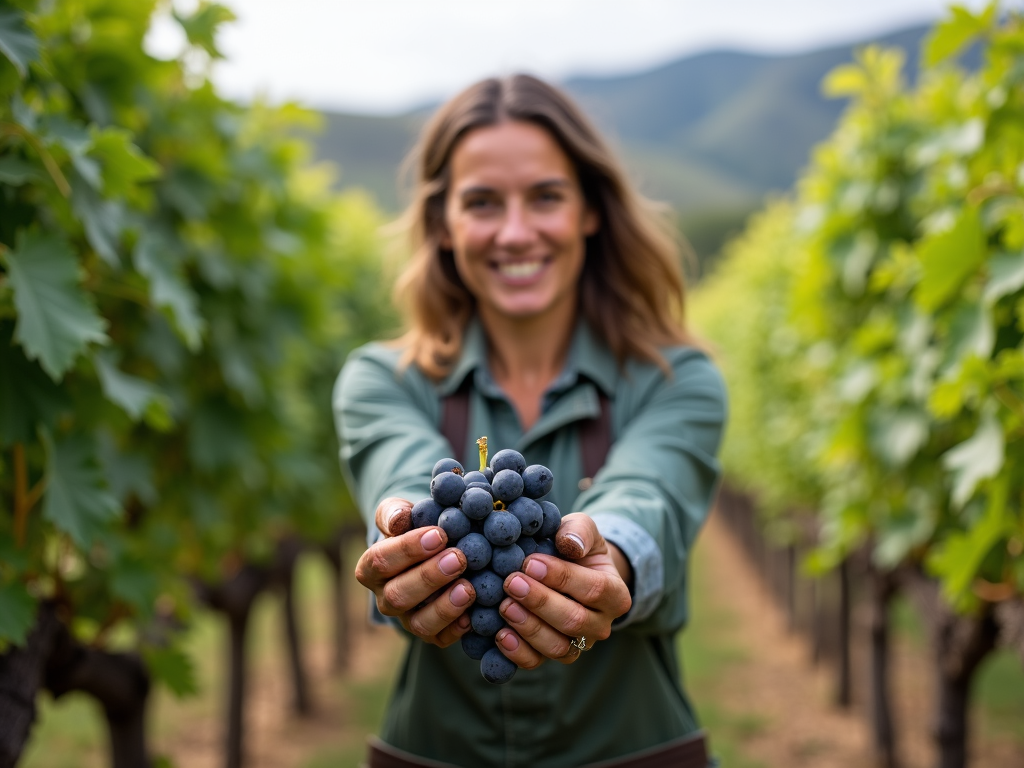
Why go biodynamic? For one, it’s good for the earth. These practices cut pollution and waste, leaving the land better than they found it. Studies, like those from the Biodynamic Association, show biodynamic soils hold more carbon and nutrients than conventional ones.
Then there’s the wine. Many say biodynamic wines taste more 'alive'—full of personality from their unique growing conditions. Whether it’s science or a bit of magic, fans swear by the difference.
It’s not easy, though. It takes time and effort to ditch chemicals and learn nature’s rhythms. But for those who do it, the payoff is worth it.
Sustainability in Winemaking Explained
At its heart, biodynamic winemaking is about balance. It’s a promise to grow grapes without harming the planet. That means no shortcuts—no synthetic pesticides or over-farming. Instead, it’s about long-term health for the soil, vines, and people who enjoy the wine.
Big names like Jackson Family Wines and organic vineyards show it’s possible on a large scale. They’ve proved sustainability can coexist with quality. And as climate change looms, these methods might just be the future of wine.
Tips for Exploring Biodynamic Wines
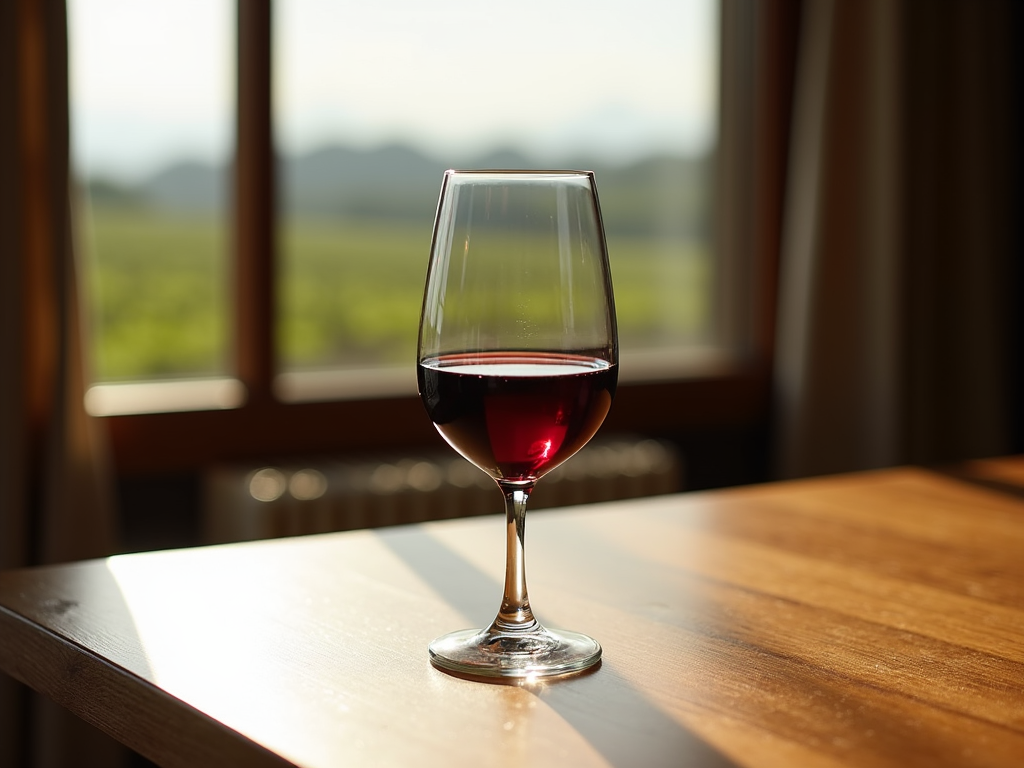
Want to try biodynamic wines? Start by looking for labels like Demeter or Biodynamic Certified—they’re a sign of authenticity. Visit a local winery if you can. Seeing the process up close makes the taste even better.
Pair them with simple foods—think cheese or roasted veggies—to let the flavors shine. And don’t be afraid to ask questions. Most biodynamic winemakers love sharing their story.
Here’s a quick list of what to look for: - Certification: Demeter or similar seals - Taste: Earthy, vibrant notes - Source: Small, passionate producers
Wrapping Up: Why Biodynamic Matters
Biodynamic winemaking is more than a method—it’s a mindset. It blends old wisdom with modern needs, creating wines that taste great and do good. From boosting biodiversity to cutting waste, it’s a model for sustainable farming everywhere.
Next time you sip a glass, think about the land it came from. Support wineries that grow green, and you’re helping build a better future—one vine at a time.