The Art of Crafting Perfect Wines
The Art of Crafting Perfect Wines is a journey that combines passion, precision, and a deep respect for nature. From selecting the finest grapes to mastering the delicate balance of flavors, winemaking is both a science and an art. This article explores the meticulous process behind creating exceptional wines, with insights from Jackson Family Wines, a leader in quality and sustainability.
The Journey from Vine to Bottle
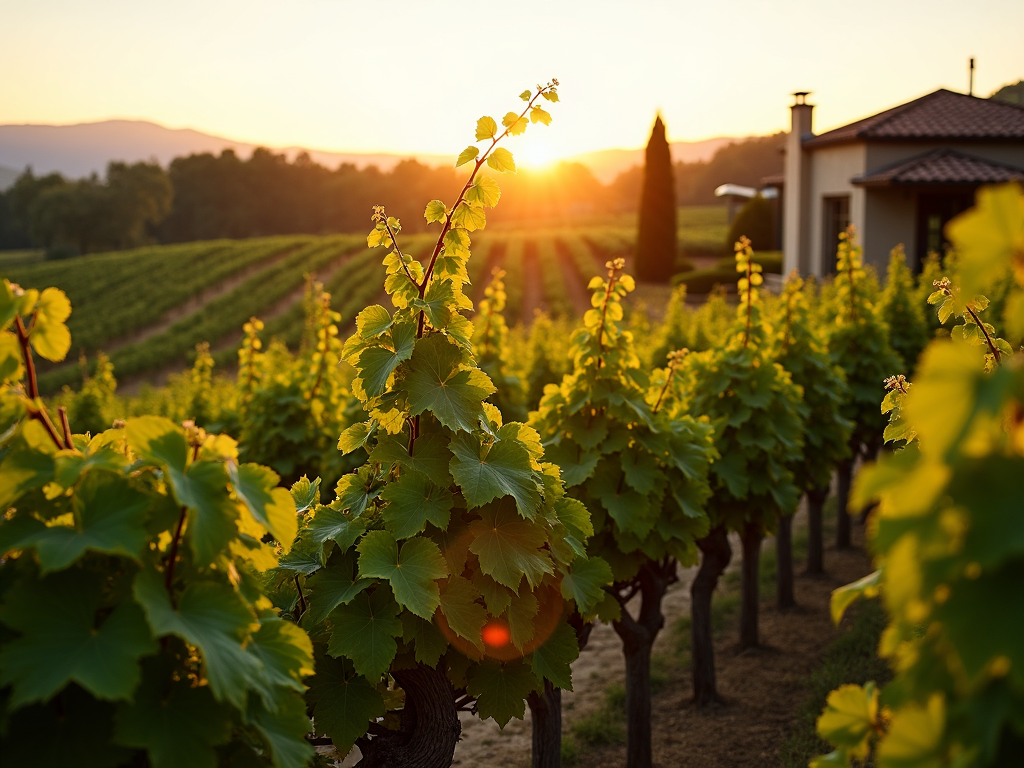
Winemaking begins long before the grapes are harvested. It starts with the careful selection of vineyard sites, where factors like soil composition, climate, and sunlight exposure play a crucial role in determining the quality of the grapes. At Jackson Family Wines, this process is taken to the next level with a commitment to sustainability. Their vineyards are managed with practices that protect the environment, ensuring that the land remains healthy for future generations.
Before the harvest, vineyard management is crucial. Practices like pruning and canopy management ensure that the vines receive the right amount of sunlight and air circulation, which helps prevent disease and promotes even ripening. The concept of terroir— the unique combination of soil, climate, and topography—also plays a significant role in shaping the character of the wine. Winemakers often say that great wine is made in the vineyard, and this is where the foundation is laid.
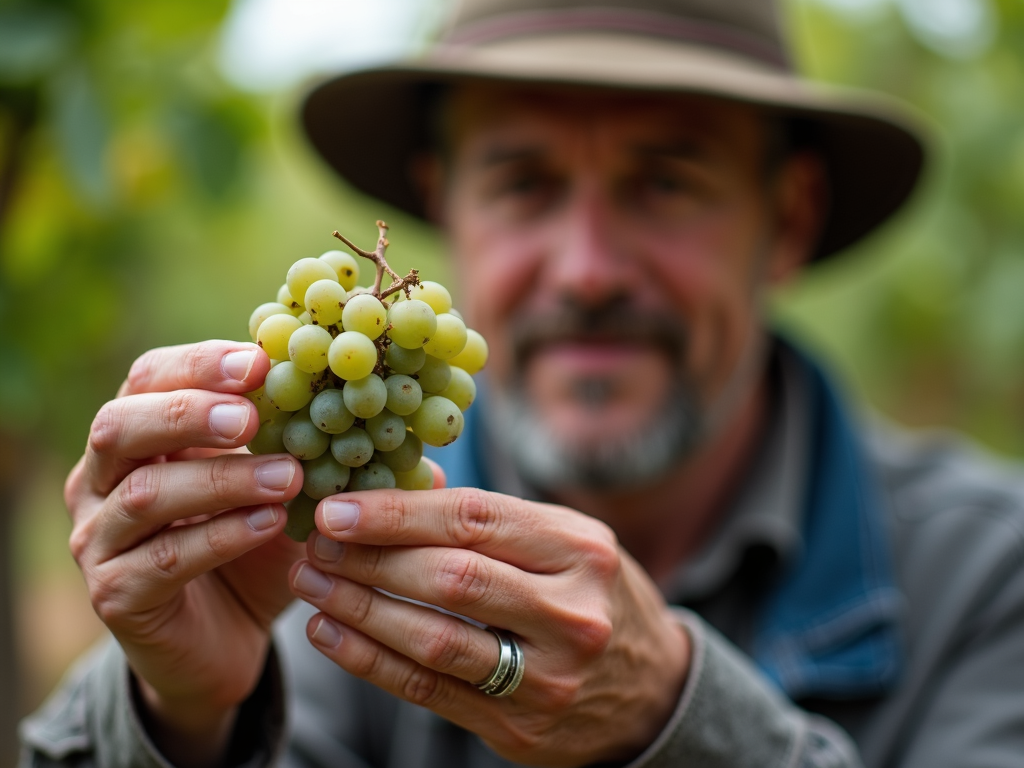
Once the grapes are ready, the harvest begins. Timing is everything—picking the grapes at the perfect moment ensures the right balance of sugar, acidity, and flavor. After harvesting, the grapes are sorted and crushed, and the fermentation process begins. This is where the magic happens, as yeast converts the sugars into alcohol, creating the foundation of the wine. During fermentation, winemakers must carefully monitor the process, adjusting factors like temperature and yeast strains to achieve the desired style. Some wines undergo malolactic fermentation, which softens the acidity and adds complexity.
But fermentation is just the beginning. The wine must then be aged, a process that can take months or even years, depending on the type of wine. During this time, the wine develops its character, with flavors deepening and tannins softening. The choice of aging vessel—whether oak barrels or stainless steel tanks—also influences the final product, adding layers of complexity to the wine. Oak barrels, for example, can impart flavors like vanilla, spice, and toast, while also allowing for micro-oxygenation, which helps the wine mature gracefully.
Throughout this process, the winemaker's expertise is paramount. It's their knowledge, intuition, and passion that guide the wine from grape to glass, ensuring that each bottle is a true expression of the vineyard and the vintage.
The Story of Jackson Family Wines: Quality Meets Sustainability
Jackson Family Wines is more than just a winery—it's a legacy. Founded by Jess Jackson in 1982, the family-owned company has grown to become one of the most respected names in the wine industry. But what sets them apart is their unwavering commitment to quality and sustainability.
From the beginning, Jess Jackson believed that great wine starts in the vineyard. This philosophy has guided the family ever since, leading them to acquire some of the most prestigious vineyard sites in California and beyond. Today, Jackson Family Wines owns over 40 wineries across the globe, each with its own unique identity but united by a commitment to quality.
Their dedication to sustainability is extensive. They use solar power in their wineries, recycle water, and have implemented programs to reduce their carbon footprint. They are also certified by various sustainability organizations, reflecting their dedication to environmental stewardship. For example, they employ cover cropping, composting, and water conservation techniques to protect the land.
Some of their notable wines include Kendall-Jackson Vintner's Reserve Chardonnay, one of the most popular Chardonnays in the United States, and La Crema Pinot Noir, known for its elegance and balance. These wines are a testament to the family's dedication to crafting perfect wines that are both delicious and responsibly produced.
The Art of Wine Tasting: A Sensory Journey
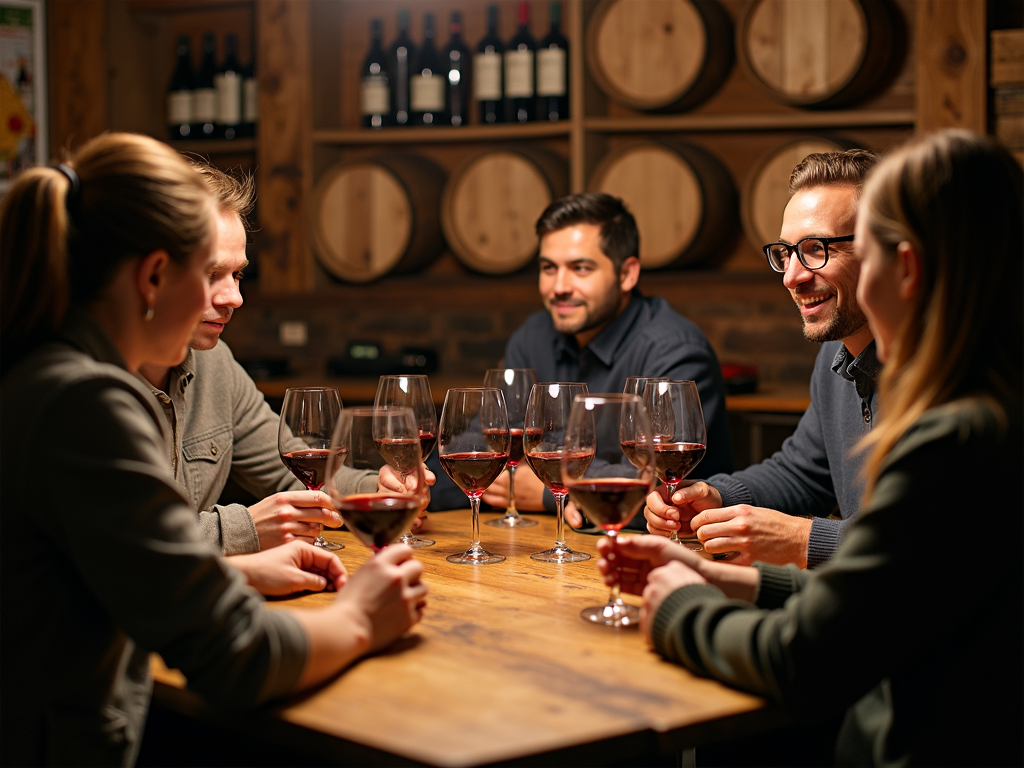
Wine tasting is an experience that engages all the senses. It's not just about drinking wine—it's about appreciating the craftsmanship that went into creating it. For those new to wine tasting, it can seem intimidating, but it's actually a simple process that anyone can enjoy.
Start by observing the wine's color and clarity. Hold the glass up to the light and note the hue—is it deep ruby red or pale straw yellow? Next, swirl the wine gently to release its aromas. Bring the glass to your nose and inhale deeply. What do you smell? Fruity notes like berries or citrus? Earthy undertones like leather or tobacco?
When tasting red wines, look for characteristics like tannins, which give the wine structure and can range from soft to grippy. White wines, on the other hand, often have higher acidity, which provides freshness and can make your mouth water.
Now, take a sip and let the wine linger on your palate. Pay attention to the flavors and how they evolve. Is the wine bold and full-bodied, or light and crisp? Finally, consider the finish—how does the wine leave your mouth feeling? Is it smooth and lingering, or crisp and refreshing?
It's also helpful to taste wines in a specific order, starting with lighter wines and progressing to heavier ones, to avoid palate fatigue.
For a more in-depth guide to wine tasting, check out The Ultimate Guide to Wine Tasting on the Jackson Family Wines blog.
A Guide to Pairing Wines with Food
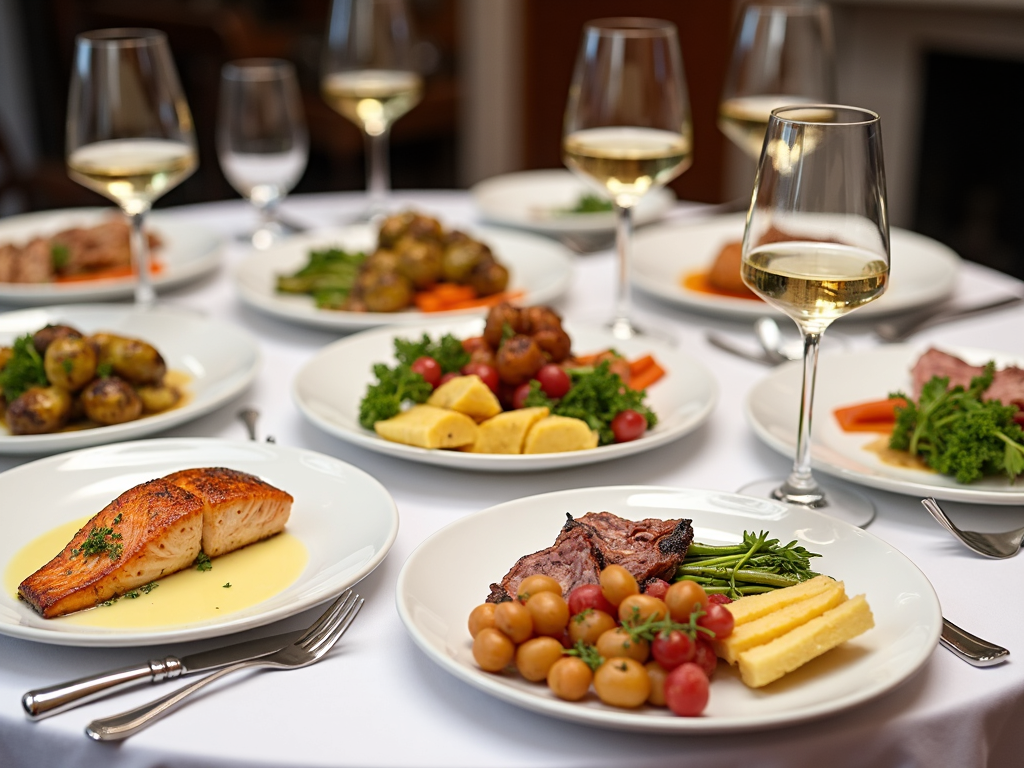
Pairing wine with food is an art form that can elevate any meal. The right wine can enhance the flavors of a dish, creating a harmonious balance that delights the palate. But with so many wines and cuisines to choose from, where do you start?
A good rule of thumb is to match the weight of the wine with the weight of the food. For example, a light, crisp white wine pairs well with delicate seafood, while a bold red wine complements hearty meats like steak or lamb.
Another approach is to consider the flavors in both the wine and the food. For instance, a wine with citrus notes might pair well with a dish that features lemon or lime. Similarly, a wine with earthy undertones could be a great match for mushroom-based dishes.
Here are some classic pairings: - Sauvignon Blanc with goat cheese: The wine's acidity complements the creaminess of the cheese. - Chardonnay with lobster: The buttery notes in both the wine and the dish create a luxurious match. - Pinot Noir with salmon: The wine's light body and red fruit flavors pair well with the richness of the fish. - Cabernet Sauvignon with steak: The wine's tannins cut through the fat, while its bold flavors stand up to the meat.
Remember, there are no hard and fast rules— the best pairing is one that you enjoy.
For more detailed guidance, refer to A Guide to Pairing Wines with Food, which offers practical tips and suggestions for creating perfect pairings.
The Importance of Serving Temperature and Glassware
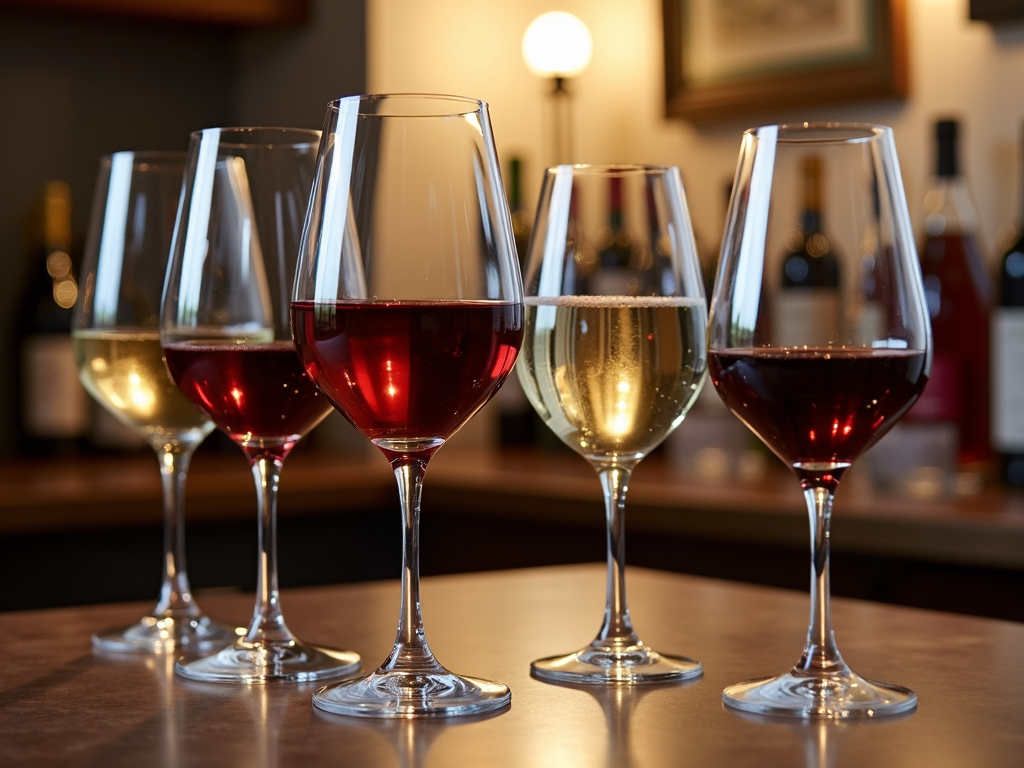
The way you serve wine can significantly impact your enjoyment of it. Two key factors are the serving temperature and the type of glassware used.
Serving wine at the right temperature allows its flavors and aromas to shine. For example, red wines are typically served at room temperature, but this can vary depending on the style. Lighter reds like Pinot Noir are best slightly chilled, while fuller-bodied reds like Cabernet Sauvignon benefit from being served closer to 65°F.
White wines, on the other hand, are usually served chilled, but not too cold. If a white wine is too cold, its aromas and flavors can be muted. Aim for around 45-50°F for most whites.
The type of glassware also matters. Different shapes can enhance or diminish certain characteristics of the wine. For instance, a wide-bowled glass is ideal for red wines, allowing them to breathe and releasing their aromas. A narrower glass is better for white wines, helping to preserve their delicate flavors.
By paying attention to these details, you can elevate your wine experience and appreciate the craftsmanship even more.
Conclusion
The art of crafting perfect wines is a testament to the dedication, skill, and passion of winemakers around the world. From the careful cultivation of vineyards to the meticulous process of fermentation and aging, every step is a labor of love. At Jackson Family Wines, this commitment is evident in every bottle, where quality and sustainability go hand in hand.
Whether you're a seasoned wine enthusiast or just beginning your journey, there's always something new to discover in the world of wine. So, raise a glass and savor the moment—because every sip tells a story.
For those looking to explore further, consider visiting the Jackson Family Wines online store to discover their exceptional selection of wines.