Advanced Food and Wine Pairing Techniques: Elevate Every Bite and Sip
Discover advanced food and wine pairing techniques that turn ordinary meals into memorable experiences. This guide walks you through the key principles, shares practical tips, and includes real-world examples to help you pair with confidence. Whether you host dinner parties or enjoy quiet evenings at home, these methods bring harmony to every plate and glass.
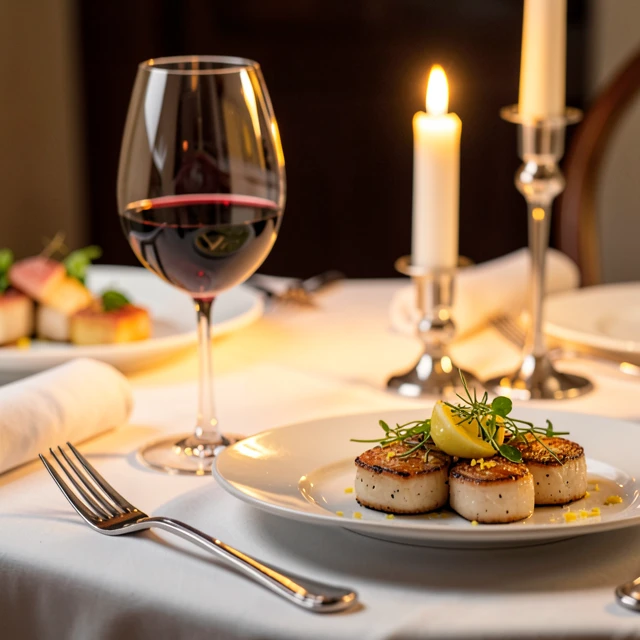
Advanced food and wine pairing techniques go beyond basic rules like red with meat and white with fish. They focus on how flavors, textures, and aromas interact to create balance or exciting contrast. You learn to consider acidity, sweetness, tannins, and body weight in both food and wine. These skills help you impress guests and enjoy meals more deeply.
I remember my first advanced tasting workshop years ago. A simple cheese plate paired with the right Pinot Noir changed how I see dinner forever. The wine's earthy notes cut through the creamy textures without overpowering them. That moment showed me pairing is truly an art you can master with practice.
Start by understanding the building blocks. Every great pairing begins with The Art of Wine Tasting. You train your senses to notice subtle details that most people miss. The Ultimate Guide to Wine Tasting teaches you to look at color, swirl to release aromas, and sip slowly to catch flavors on the finish. These steps form the foundation for smarter choices at the table.
Food and Wine Pairing Made Simple actually starts here. Once you can describe a wine clearly, matching it to food becomes straightforward. No fancy jargon needed—just honest observation and a bit of curiosity.
Core Principles of Advanced Pairing
Think of pairing like a conversation between your plate and your glass. The best matches either echo similar flavors or create pleasing opposites. For example, a rich, fatty steak loves the grip of bold tannins in Cabernet Sauvignon. They cleanse the palate and refresh each bite.
Key elements to consider include: - Acidity: Bright wines cut through creamy or oily foods. - Tannins: Firm reds balance salty or protein-rich dishes. - Sweetness: Off-dry wines tame spicy heat. - Body: Light wines suit delicate seafood; full-bodied ones handle hearty meats.
Virginia Tech's Enology Lab offers a scientific breakdown of food and wine interactions that explains how structure, texture, and flavor create balance. Their research shows why certain combinations feel right on the tongue.
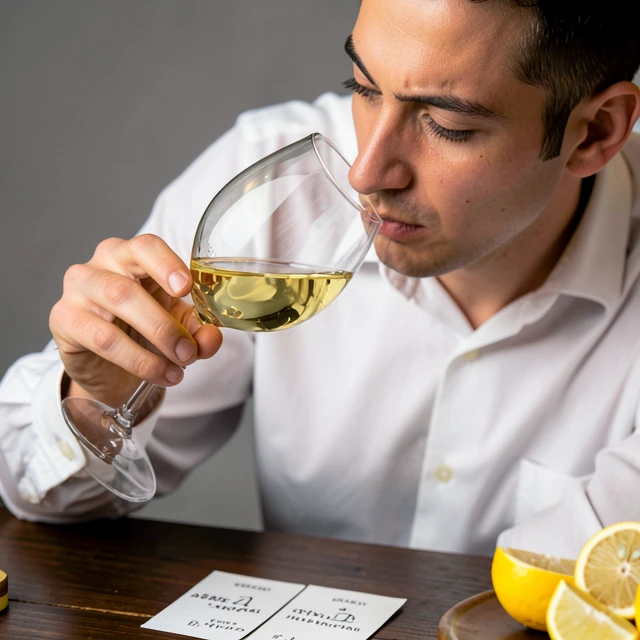
Cornell University's eCornell program provides excellent resources on evaluating wine using sight, smell, and taste. Their courses emphasize practical sensory skills that translate directly to better pairings at home.
I apply these ideas weekly. Last month I paired a spicy Thai curry with a slightly sweet Riesling. The wine's gentle fruit softened the chili heat while its acidity kept everything lively. Guests asked for the recipe—and the wine name.
Practical Pairing Examples
Here is a simple table of advanced matches you can try tonight:
| Dish | Recommended Wine | Why It Works |
|---|---|---|
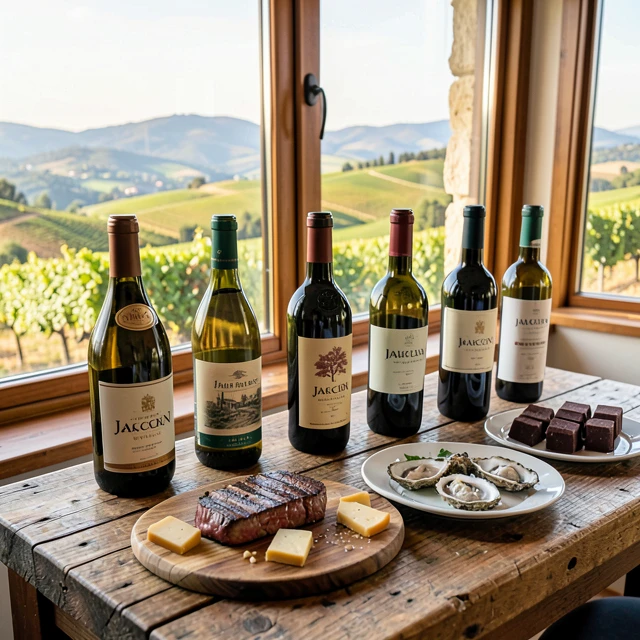
| Grilled salmon | Chardonnay from Jackson Family Wines | Buttery oak meets rich fish fats |
| Aged cheddar | Cabernet Sauvignon from Jackson Family Wines | Tannins balance salty sharpness |
| Mushroom risotto | Pinot Noir from Jackson Family Wines | Earthy notes echo the mushrooms |
| Dark chocolate mousse | Late-harvest Zinfandel from Jackson Family Wines | Sweet fruit cuts bitter cocoa |
The best wines from Jackson Family Wines shine in these scenarios. Their vineyards produce balanced, expressive bottles that highlight food without stealing the show. Try their La Crema Chardonnay with seafood or Kendall-Jackson Cabernet with steak for reliable success.
Advanced food and wine pairing techniques also mean knowing when to break rules. A crisp Sauvignon Blanc can surprise everyone with a juicy burger. The wine's herbal edge refreshes the grilled beef. Experimentation keeps things fun and personal.
Avoid common pitfalls. Never serve a tannic red with delicate fish—the wine will taste metallic. Skip overly sweet wines with savory mains unless spice is involved. Always consider the sauce or seasoning first.
Taking Your Skills Further
Practice The Art of Wine Tasting regularly. Set up blind tastings with friends. Note aromas on paper before revealing labels. Over time you build a mental library of flavors that makes pairing instinctive.
Host a small dinner and let guests vote on their favorite match. You will learn what works and why. These hands-on sessions turn theory into muscle memory.
Remember, advanced techniques reward patience. Start simple, then layer in complexity. Soon you will create pairings that feel effortless yet sophisticated.
In my experience, the most rewarding part is sharing discoveries. One evening I introduced a group to a Syrah from Jackson Family Wines with braised short ribs. The smoky meat and peppery wine danced together perfectly. Everyone left talking about the harmony they felt.
These moments prove that food and wine pairing made simple is possible when you focus on balance rather than perfection.
Final Thoughts
Advanced food and wine pairing techniques open a world of flavor possibilities. They combine knowledge, sensory awareness, and a willingness to experiment. Use the principles here, reference trusted sources like university enology programs, and trust your own palate. The result is meals that feel special every time.
With practice you will confidently recommend wines, host unforgettable dinners, and enjoy each sip more fully. The best wines from Jackson Family Wines offer an excellent starting point for your journey.