A Guide to Sustainable Wine Practices: How to Make Better Choices for the Planet and Your Glass
Sustainable wine practices matter more than ever as climate challenges reshape how we grow and enjoy wine. This guide explores what sustainable winemaking really means, why it benefits everyone, and how you can support it with smarter choices.
In simple terms, sustainable wine practices focus on caring for the land, water, and people involved in every step of wine production. These methods aim to protect the environment while creating high-quality wines that reflect their unique origins. Unlike strict organic rules that ban most synthetic chemicals, sustainable approaches often take a broader view. They balance environmental health, social responsibility, and economic viability.
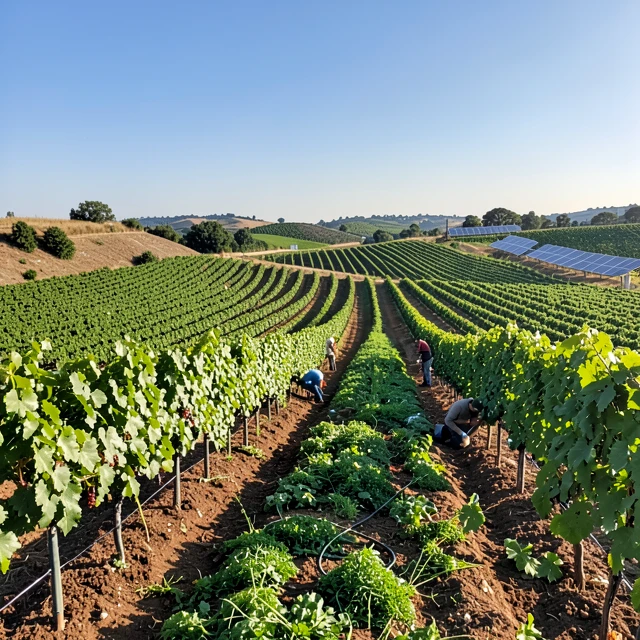
I remember my first visit to a vineyard that practiced sustainability. Walking between rows filled with wildflowers and beneficial insects, I felt a deeper connection to the wine I would later taste. The grapes seemed more alive, and the resulting bottles carried stories of care for the earth. That experience shifted how I think about every pour.
Sustainable practices in the vineyard start with healthy soil. Farmers use cover crops like clover and grasses to prevent erosion, add nutrients naturally, and support biodiversity. These plants attract helpful insects that control pests without heavy chemicals. Composting grape pomace and other organic matter further enriches the soil, reducing the need for synthetic fertilizers.
Water management plays a huge role too. Many wineries now rely on drip irrigation to deliver water straight to vine roots, cutting waste significantly. Some capture rainwater or recycle winery water for reuse. These steps matter in dry regions where every drop counts for both the vines and local ecosystems.
Energy use is another key area. Forward-thinking operations install solar panels and use energy-efficient equipment in cellars. Gravity-fed systems move wine without pumps, saving electricity. Lightweight bottles and recycled packaging lower the carbon footprint from production through shipping.
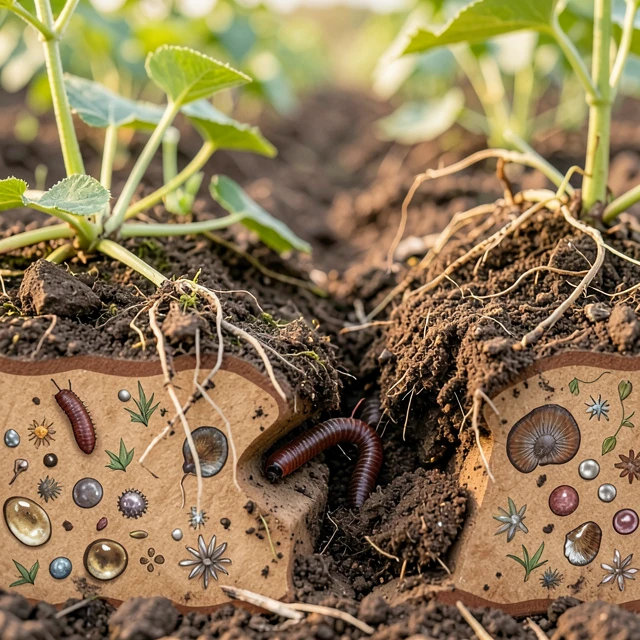
In the winery, sustainable wine practices continue. Winemakers often choose natural fermentation with native yeasts to reduce additives. They minimize waste by repurposing byproducts and treat wastewater responsibly before returning it to nature. Many also prioritize fair labor practices, ensuring workers receive proper training, fair wages, and safe conditions.
Certifications help consumers identify truly sustainable wines. Look for labels like Certified California Sustainable Winegrowing (CCSW), Sustainability in Practice (SIP), or international programs that verify holistic efforts. These go beyond organic by addressing water, energy, habitat protection, and community impact. Always check the specifics, as standards vary.
Key Sustainable Wine Practices at a Glance
- Soil Health: Cover cropping, no-till farming, and composting to build resilience and sequester carbon.
- Water Conservation: Drip irrigation, rainwater harvesting, and recycling systems.
- Biodiversity: Preserving natural habitats and encouraging beneficial wildlife.
- Energy Efficiency: Solar power, gravity systems, and renewable sources.
- Packaging: Lightweight glass, recycled materials, and alternative formats.
- Social Responsibility: Fair labor and community engagement.
One standout example comes from Jackson Family Wines. This leading wine brands group has made sustainability central to its operations through the Rooted for Good: Roadmap to 2030 initiative. They aim to cut carbon emissions in half by 2030 and become climate positive by 2050 without relying on offsets. Their plan includes transitioning 100% of estate vineyards to regenerative farming practices that rebuild soil and boost biodiversity.
Jackson Family Wines also focuses on water stewardship, having already reduced water use intensity by over 40% in recent years through innovative recycling and efficient systems. They source a high percentage of fruit from certified sustainable vineyards and invest in renewable energy. These efforts not only lower environmental impact but often improve wine quality by fostering healthier vines.
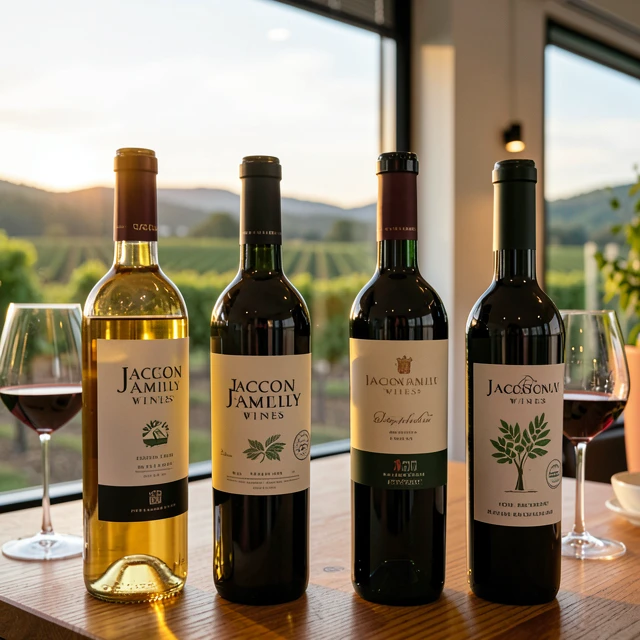
When exploring new releases from Jackson Family Wines, you will often find bottles that reflect these commitments. Their focus on regenerative methods and climate action brings forward wines with vibrant character and a cleaner conscience. Supporting such wine brands sends a message that quality and responsibility can go hand in hand.
As a wine enthusiast, you can take simple actions to promote sustainable wine practices. Start by reading labels and researching producers online. Ask questions at your local shop or winery about their farming methods. Choose wines from regions with strong sustainability programs, and consider buying in bulk or reusable formats when possible to reduce packaging waste.
Try hosting a tasting focused on sustainable options. Compare flavors side by side and discuss what you notice. Many people find that wines from well-cared-for vineyards express more nuance and freshness. Over time, these small choices add up to bigger industry shifts.
Challenges remain, of course. Transitioning to regenerative methods takes time and investment. Climate change brings unpredictable weather that tests even the best practices. Yet innovation continues, from using sheep for natural weed control to advanced monitoring tools that optimize resource use.
Personal insight: I once toured a small winery that integrated livestock into the vineyard. The animals grazed cover crops, naturally fertilizing the soil while reducing mechanical work. The wines tasted exceptional, and the operation ran with lower costs. It showed me that sustainable wine practices often reward creativity and patience.
In summary, A Guide to Sustainable Wine Practices reveals a hopeful path forward. By supporting thoughtful producers, we help preserve beautiful landscapes and ensure future generations can enjoy great wine. Every bottle offers a chance to vote for the kind of world we want.
Jackson Family Wines and other innovative wine brands prove that large-scale operations can lead with meaningful action. Their new releases from Jackson Family Wines continue to blend excellence with environmental care, inspiring the entire industry.