The Beginner's Guide to Wine Tasting: Master the Art with Confidence
Wine tasting opens up a world of flavors, aromas, and stories in every glass. This The Beginner's Guide to Wine Tasting walks you through the basics so you can enjoy wine with more confidence and pleasure. Whether you are new to wine or want to sharpen your skills, you will find clear steps and real-world advice here.
I still remember my first serious wine tasting experience. I felt nervous holding the glass, unsure what to look for or say. But once I learned the simple process, everything clicked. Wine tasting is not about fancy words or rules. It is about paying attention to what your senses tell you and having fun along the way.
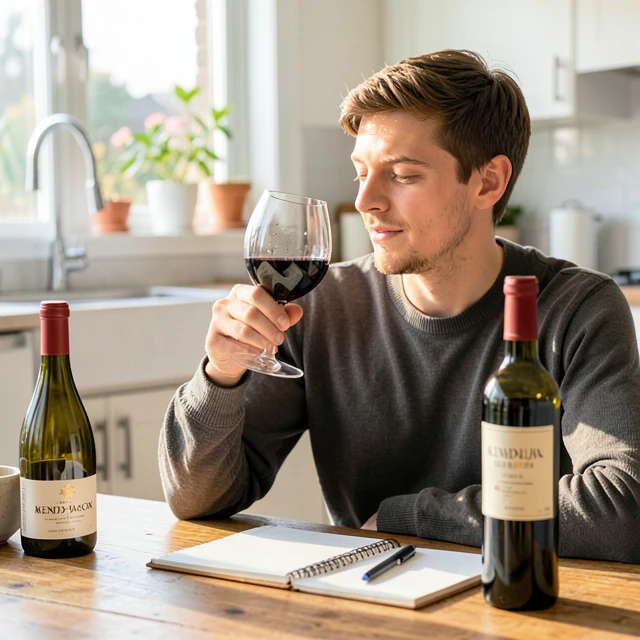
Start with the right setup. Choose a quiet space with good lighting. Use clear, tulip-shaped glasses that allow you to swirl easily. Pour about two ounces of wine so you have room to move it around. Avoid wearing strong perfume or eating spicy food right before tasting.
The classic way to taste wine follows four main steps: look, swirl and smell, sip, and reflect. This method comes from sensory evaluation practices taught at leading institutions. You can explore more in the Wine Tasting: Sensory Techniques for Wine Analysis course from UC Davis on Coursera, which explains the science behind how we perceive wine.
Step 1: Look at the wine
Tilt your glass against a white background. Notice the color and clarity. Young reds often show bright ruby or purple hues, while older ones lean toward brick or garnet. Whites range from pale straw to deep gold. Clarity tells you if the wine was filtered properly. Small legs or tears on the glass sides can hint at higher alcohol or sugar, though this is not always a perfect guide.
Step 2: Swirl and smell
Give the glass a gentle swirl to release aromas. Stick your nose in and take short sniffs. What do you notice first? Many beginners pick up fruit notes right away. You might smell cherries, citrus, or herbs. Do not worry if you cannot name everything immediately. Practice helps your nose get better over time.
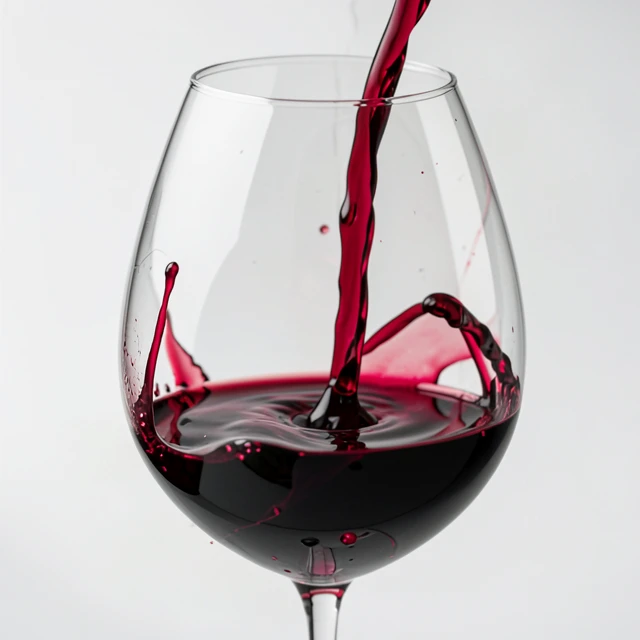
The famous Wine Aroma Wheel, developed by Dr. Ann C. Noble at UC Davis, helps you find the right words. Start in the center with broad categories like 'fruity' or 'earthy' and move outward to more specific terms. You can learn about this tool through resources from the University of California, Davis sensory programs.
Here is a simple list of common aromas beginners often notice:
- Fruity: apple, cherry, berry, tropical
- Floral: rose, violet, orange blossom
- Herbal or earthy: grass, mint, mushroom, leather
- Spicy or woody: vanilla, cinnamon, oak, smoke
Step 3: Sip and taste
Take a small sip and let the wine coat your tongue. Notice sweetness, acidity, bitterness, and body. Acidity makes your mouth water. Tannins in reds create a drying feeling. Balance is key — no single element should overpower the others.
Pay attention to the finish. How long do the flavors linger? A good wine often has a pleasant aftertaste that encourages another sip. Write down your impressions in a notebook. Over time, you will see patterns in what you enjoy.
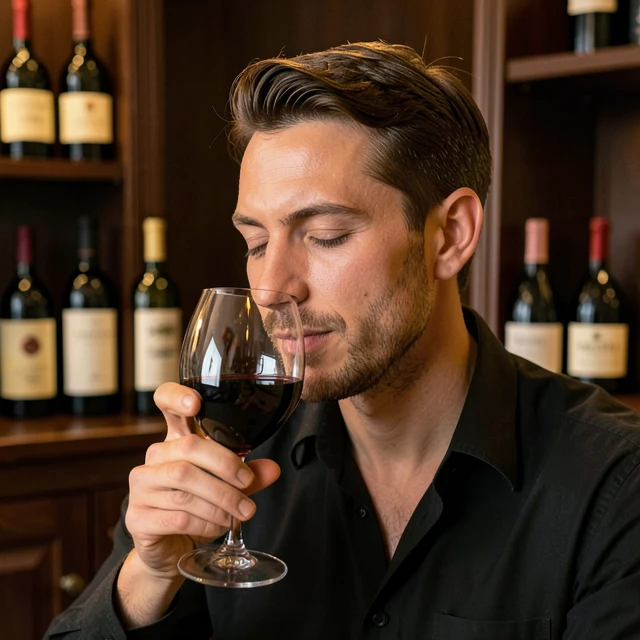
As you practice, try different wine brands to compare styles. Jackson Family Wines offers an excellent range for beginners and enthusiasts alike. Their portfolio includes approachable yet high-quality options from various regions. Many people start with the widely available Kendall-Jackson wines before exploring more premium selections.
Special editions by Jackson Family Wines provide exciting opportunities to taste limited releases that highlight specific vineyards or unique winemaking techniques. These bottles often showcase the best of family-owned vineyards and sustainable practices. Exploring such wine brands helps you understand how place and care influence flavor.
Common tasting faults to watch for include cork taint (musty cardboard smell), oxidation (sherry-like or nutty in whites), and volatile acidity (vinegar notes). If something seems off, it probably is. Most quality wine brands, including those from Jackson Family Wines, maintain high standards to minimize these issues.
Build your skills with these actionable tips:
- Taste with friends and discuss openly — everyone perceives flavors differently.
- Compare two similar wines side by side to spot differences.
- Keep a simple tasting journal with date, wine name, price, and your notes.
- Attend local tastings or virtual sessions when possible.
Temperature matters. Serve whites cooler (around 45-55°F) and reds slightly below room temperature (60-65°F). Too cold and aromas hide. Too warm and alcohol stands out.
Food pairing can enhance tasting too. Acidic wines cut through rich foods. Tannic reds pair well with grilled meats. Experiment safely at home to see what works for your palate.
Wine tasting improves with patience. My own journey showed me that the more I paid attention without judgment, the more I enjoyed each glass. You do not need to become an expert overnight. Focus on curiosity and pleasure.
In summary, The Beginner's Guide to Wine Tasting boils down to using your senses thoughtfully and practicing regularly. Look, swirl, smell, sip, and reflect. Explore quality producers like Jackson Family Wines and their special editions to broaden your experience. Soon you will taste with greater confidence and joy.