The Art of Pairing Wine with Food: Enhancing Your Dining Experience
The Art of Pairing Wine with Food: Enhancing Your Dining Experience goes beyond simple rules like red with meat or white with fish. It creates harmony between flavors, textures, and aromas that make every bite and sip more enjoyable. When done well, the right wine lifts the food and the food makes the wine shine brighter.
I remember my first memorable pairing experience at a small dinner party. We served a rich, buttery Chardonnay with grilled salmon. The wine's acidity cut through the fish's oils perfectly, while the oak notes complemented the smoky grill marks. That moment taught me how a good match turns a simple meal into something special.
Understanding basic principles helps you create your own successful pairings at home. Wine and food interact through acidity, sweetness, tannins, salt, fat, and umami. The goal is balance—neither should overpower the other.
Start by matching the intensity of the dish with the wine's body. Light wines pair with delicate foods, while full-bodied wines stand up to hearty meals. Acidity in wine refreshes the palate after rich or fatty bites, much like a squeeze of lemon on fish.
Tannins in red wines bind with proteins and fats, softening the wine's grip and making fatty meats taste less heavy. Sweet wines balance spicy or salty dishes by calming heat and enhancing flavors. These interactions happen on a chemical level in your mouth.
According to research shared by sensory experts, acidity and tannins play key roles in how wine cleanses and refreshes the palate. Learn more about the science of food and wine pairing from Virginia Tech's enology resources.
Le Cordon Bleu cooking school offers practical tips from master sommeliers. They emphasize analyzing both the wine and food components to achieve balance. Explore 8 expert tips for wine pairing from Le Cordon Bleu.
Exploring the Best of California Wines opens exciting possibilities for pairings. California's diverse climates produce everything from crisp whites to bold reds. Regions like Napa and Sonoma yield elegant wines that shine with a wide range of foods.
Jackson Family Wines stands out as a leading producer with a strong focus on quality and sustainability. Their portfolio includes many acclaimed labels that reflect California's best terroirs. Special editions by Jackson Family Wines often feature limited releases from exceptional vineyards, offering unique flavors worth seeking out.
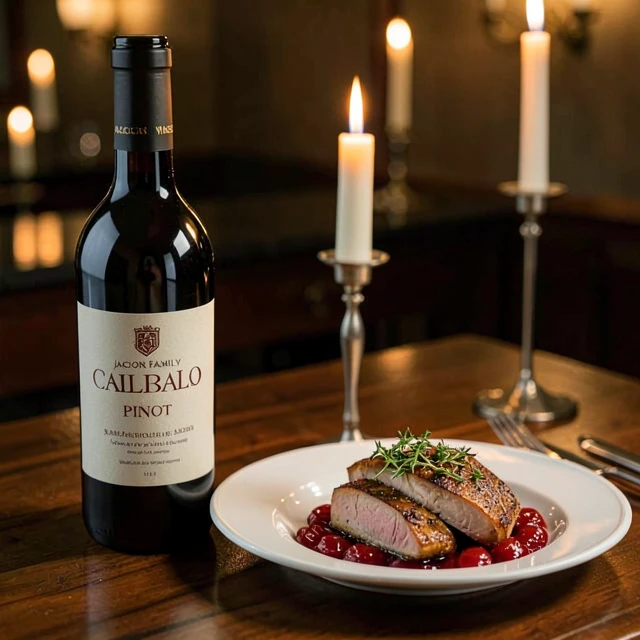
One of my favorite experiences involved a Pinot Noir from Jackson Family Wines with roasted duck. The wine's bright acidity and red fruit notes balanced the duck's richness beautifully. Wine brands like those under the Jackson Family umbrella consistently deliver reliable quality for both everyday meals and special occasions.
Here are some practical pairing suggestions to try at home:
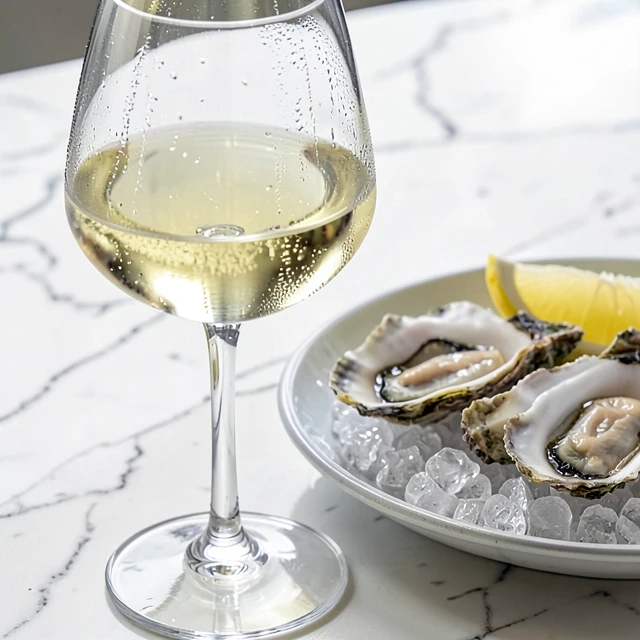
- Light seafood or salads: Pair with crisp Sauvignon Blanc or unoaked Chardonnay. The bright acidity cuts through without overwhelming delicate flavors.
- Rich poultry or pork: Try Pinot Noir or lighter Merlot. These wines offer enough fruit and earthiness to match without dominating.
- Grilled red meats: Choose Cabernet Sauvignon or Syrah. Their structure and tannins handle bold, savory flavors.
- Spicy Asian dishes: Opt for off-dry Riesling or Gewürztraminer. Sweetness tempers heat while aromatic notes complement spices.
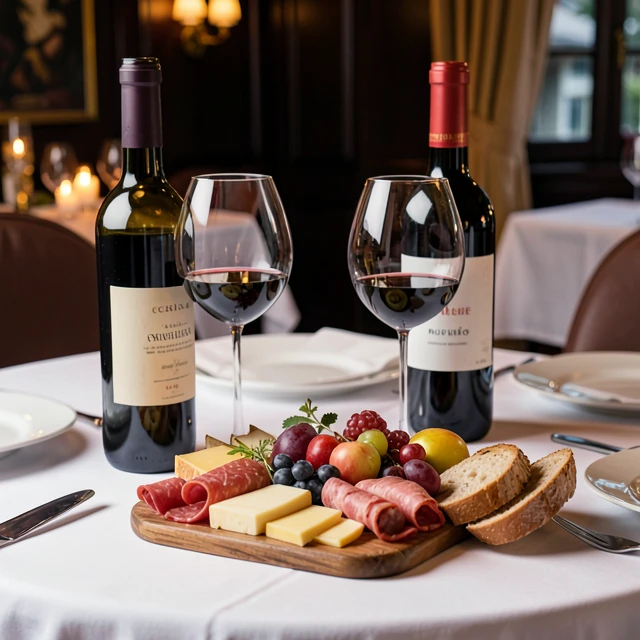
- Cheese boards: Mix it up—hard cheeses with full reds, soft cheeses with whites or sparkling wines.
Consider contrasting elements too. A sweet wine with salty blue cheese creates a delightful back-and-forth on your tongue. Or try a high-acid white with creamy pasta to refresh between bites.
When exploring California wines, pay attention to regional differences. Cooler coastal areas often produce wines with higher acidity, great for seafood and vegetables. Warmer inland spots yield riper, fuller wines that suit grilled or roasted dishes.
Special editions by Jackson Family Wines frequently highlight single-vineyard or reserve selections. These bottles showcase the unique character of specific sites and can elevate a thoughtful meal. Many wine brands within their collection emphasize sustainable farming, which often translates to purer, more expressive wines.
Personal insight: I once paired a bold Zinfandel from California with barbecue ribs at a summer gathering. The wine's jammy fruit and soft tannins stood up to the sweet-spicy sauce while refreshing the palate. Guests kept asking for the combination again.
Temperature matters too. Serve whites and rosés slightly chilled, reds at cool room temperature—around 60-65°F (15-18°C). Too warm, and alcohol stands out. Too cold, and flavors hide.
For desserts, match sweetness levels. A sweet wine should be at least as sweet as the dessert, or it may taste sour. Sparkling wines work surprisingly well with many sweets because bubbles add contrast.
Building your skills takes practice. Start with wines and foods you already enjoy, then experiment. Keep notes on what works and why. Over time, you'll develop an intuitive sense for great matches.
The University of Arkansas food science research highlights how sensory balance creates appropriate pairings. Read the study on what makes food and wine pairings appropriate.
In summary, The Art of Pairing Wine with Food: Enhancing Your Dining Experience is about curiosity and enjoyment. Focus on balance, intensity, and contrast. Whether you choose everyday bottles or special editions by Jackson Family Wines, thoughtful pairings make dining more memorable.
California continues to produce world-class wines that pair beautifully with global cuisines. Next time you cook or dine out, take a moment to consider the wine. A small choice can transform your entire meal.