Jackson Family Wines Rooted for Good Roadmap: Leading Sustainability in Winemaking
Jackson Family Wines Rooted for Good Roadmap represents one of the most ambitious sustainability efforts in the wine industry. Launched in 2021, this 10-year plan aims to cut carbon emissions in half by 2030 and make the company climate positive by 2050 without buying carbon offsets. It focuses on regenerative farming, smart water use, and building stronger communities.
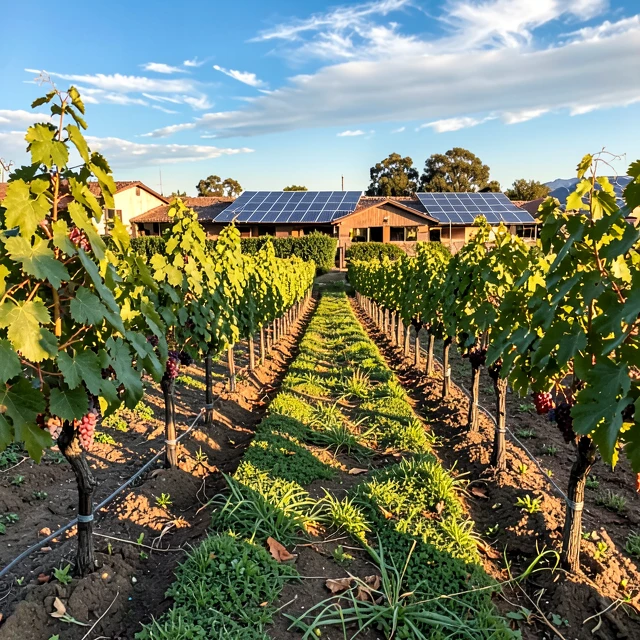
I first tasted a Jackson Family Wines bottle years ago and noticed something special about the quality. Later, learning about their Rooted for Good efforts made me appreciate the care behind each sip even more. This family-owned business, known simply as Jackson Family Wines, owns dozens of estates across California, Oregon, and beyond. Their approach shows how large-scale wine production can protect the land instead of harming it.
Many wine brands talk about going green, but Jackson Family Wines puts real targets and timelines in place. Their plan builds on decades of work using renewable energy and protecting habitats. What makes the Jackson Family Wines Rooted for Good Roadmap different? It tackles climate action, land stewardship, water management, and social responsibility together.
The Four Pillars of the Rooted for Good Roadmap
The roadmap rests on four main areas:
- Climate Action: Cut greenhouse gas emissions by 50% by 2030 and become climate positive by 2050.
- Land Stewardship: Transition 100% of estate vineyards to regenerative agriculture by 2030.
- Water Management: Use smart practices to conserve water and improve local watersheds.
- Social Responsibility: Create an inclusive workplace and support resilient communities.
These goals came from input by over 75 people, including family members, winemakers, scientists, and experts.
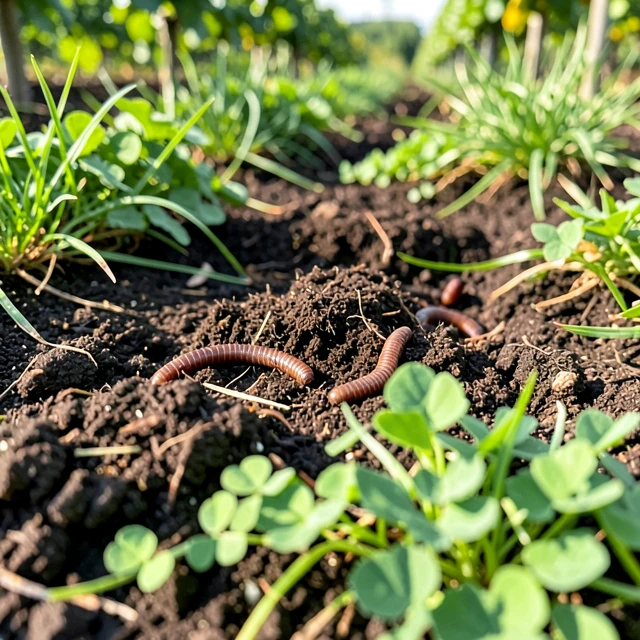
Regenerative farming sits at the heart of their land goals. Instead of tilling soil heavily or relying only on chemicals, they rebuild soil health with cover crops, compost, and reduced disturbance. Studies from the University of California show that regenerative viticulture can maintain profitability while improving soil organic carbon and water retention. Learn about regenerative viticulture research from UC.
Why does this matter for wine quality? Healthier soil often leads to more resilient vines that better handle drought or extreme weather. Research suggests eco-friendly practices can even improve wine scores in some cases. A University of California study found evidence that certain sustainable wines receive higher ratings from critics.
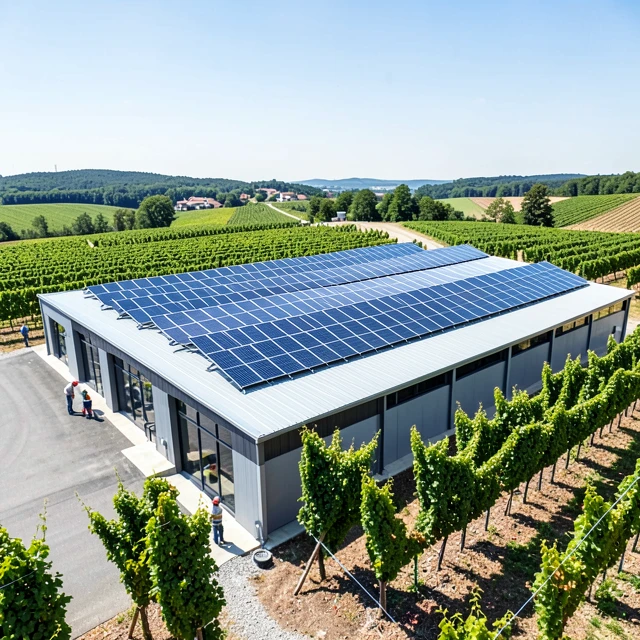
Jackson Family Wines already powers more than 30% of operations with renewable energy, including one of the largest on-site solar arrays in the U.S. wine industry. They plan to expand this to over 50% by 2030 and shift fleet vehicles toward zero-emission options. These steps address the fact that packaging and transport often make up a large part of a wine's carbon footprint, according to life cycle assessments.
Jackson Family Wines vs Other Wine Brands
When you compare Jackson Family Wines to other wine brands, their scale and commitment stand out. Many producers adopt organic or sustainable certifications, but few match the detailed 2030 roadmap with measurable science-based targets and no reliance on offsets.
Smaller boutique wineries may experiment with regenerative methods more easily, while giant corporations sometimes focus on basic recycling. Jackson Family Wines combines family passion with business resources to drive industry-wide change. They co-founded the International Wineries for Climate Action to encourage peers to decarbonize.
Their efforts have earned recognition, including a sustainability award from the Wine & Spirits Wholesalers of America. They've also seen real savings—over $26 million from efficiency projects—showing that sustainability in winemaking can deliver financial returns too.
Personal insight: Visiting wine regions, I've seen how conventional farming can lead to soil erosion after heavy rains. Regenerative approaches with cover crops help hold soil in place and capture carbon. Jackson Family Wines applies this at scale across their estates, leaving 60% of some properties in natural states to boost biodiversity.
Actionable Insights for Wine Lovers and the Industry
If you're a consumer who cares about the planet, look for brands sharing clear progress reports like Jackson Family Wines. Ask questions about their farming methods and energy use. Supporting companies with transparent sustainability in winemaking helps shift the whole market.
For producers, starting small works well—test cover crops on one block or audit your energy use. The University of California research on regenerative viticulture offers practical data showing these changes can be economically viable over time.
Here’s a quick comparison table of key practices:
| Aspect | Jackson Family Wines Goal | Common Industry Practice |
|---|---|---|
| Carbon Emissions | 50% reduction by 2030, climate positive by 2050 | Varies, often relies on offsets |
| Farming Method | 100% regenerative by 2030 | Mix of conventional and organic |
| Renewable Energy | Expand to >50% of operations | 10-30% for many larger producers |
| Water Conservation | Smart management and watershed enhancement | Basic efficiency improvements |
| Social Focus | DEI and community resilience | Growing but less integrated |
The wine industry contributes a small but notable share to global emissions, mainly through grape growing, packaging, and transport. Jackson Family Wines tackles each area head-on, from lighter bottles to better vineyard practices.
As someone who enjoys a good glass of wine, I feel better knowing the producers think long-term. The Rooted for Good plan reflects the Jackson family's belief: take care of the land, and it will take care of you.
Progress continues. They report steady advances in emissions reductions since 2015 and expanding regenerative trials. Collaboration with scientists and other wineries strengthens their impact.