The Ultimate Guide to Wine Tasting for Beginners
Discover The Ultimate Guide to Wine Tasting for Beginners. This complete resource walks you through every step you need to start enjoying wine with confidence. You will explore The Art of Wine Tasting using easy methods anyone can follow. We also cover Food and Wine Pairing Made Simple and highlight some of the best wines from Jackson Family Wines. Whether you are at home or at your first event, you will gain real skills fast.
Have you ever picked up a glass of wine and wondered what to do next? You are not alone. Most beginners feel the same way. I remember my first tasting at a sunny California vineyard. The sommelier smiled and said just follow the basics. That moment changed everything for me. Now I share those same simple lessons here so you can skip the confusion and start having fun right away. This guide uses plain language and real-life examples to make learning enjoyable.
Why Learning The Art of Wine Tasting Matters
Wine tasting is not about sounding smart. It is about noticing details that make each glass special. You train your senses to pick up colors, smells, and flavors. Over time you build confidence and discover what you truly like. I have hosted dozens of beginner tastings, and every person leaves saying they finally understand why one wine tastes different from another. You can do this too with a few minutes of practice each week.
Prepare for Your First Tasting
Start with the right glass. Choose one with a wide bowl that narrows at the top. This shape traps aromas so you smell them better. Pour only two ounces of wine. That amount lets you swirl without spilling. Serve red wines at room temperature and white wines slightly chilled. Clean your palate with plain water or a neutral cracker between sips. These small steps set you up for success every time.
The Five Simple Steps of Wine Tasting
Follow these steps in order and you will never feel lost again:
-
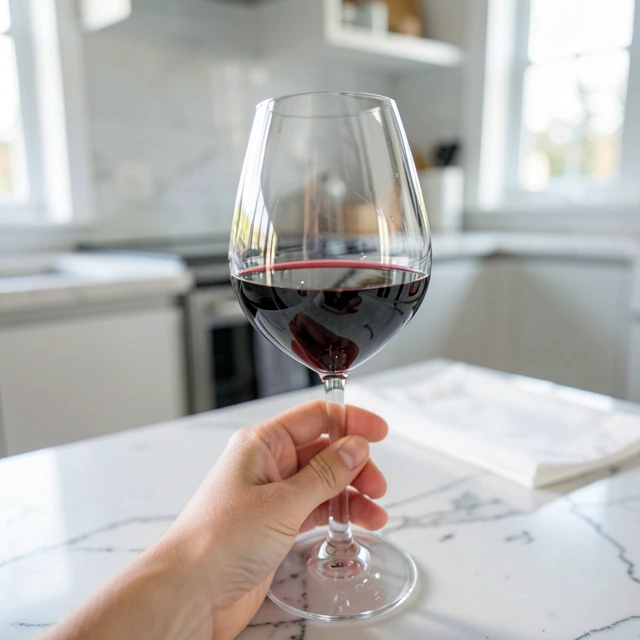
Look – Hold the glass up to a white background. Check the color and how clear the wine is. Young reds often look bright ruby while older ones turn brick red.
-
Swirl – Gently move the glass in small circles on the table. This mixes air into the wine and opens up the smells.
-
Sniff – Put your nose inside the glass and take a deep breath. Notice the first aromas that hit you.
-
Sip – Take a small sip and let the wine cover your whole tongue.
-
Savor – Think about the flavors and how the wine feels in your mouth. Does it feel light or heavy? Sweet or dry?
I use these exact steps at every tasting and they work every single time.
Understanding What You See, Smell, and Taste
Color tells a story. White wines range from pale straw to deep gold. Red wines go from light ruby to dark purple. Clarity shows quality. Cloudy wine can mean it needs more time or has tiny bits of grape.
Smells come next. You might notice fruit like cherry or apple, or earth like fresh grass. Do not worry about fancy words. Just describe what you actually smell.
When you sip, pay attention to sweetness, acidity, and how long the flavor lasts. A good wine finishes clean and makes you want another sip. Practice with different bottles and you will quickly spot patterns.
Common Beginner Mistakes and How to Avoid Them
Many new tasters swirl too hard and spill. Keep movements small. Others fill the glass too full, which stops proper swirling. Stick to two ounces. Some people also skip the looking step, but color gives important clues. Finally, do not smoke or wear strong perfume before tasting. These things block your nose. Simple changes like these make a huge difference.
Explore Different Wine Types
Here is a quick guide to popular wines:
| Wine Type | Color | Common Flavors | Good With |
|---|---|---|---|
| Chardonnay | White | Apple, butter, vanilla | Chicken or pasta |
| Sauvignon Blanc | White | Citrus, green herbs | Seafood or salad |
| Cabernet Sauvignon | Red | Black cherry, dark chocolate | Grilled steak |
| Pinot Noir | Red | Red berries, earth | Salmon or mushrooms |
| Merlot | Red | Plum, soft spices | Pasta with tomato sauce |
Try one new type each month. Keep notes on what you like so you remember for next time.
Food and Wine Pairing Made Simple
Pairing does not need to be complicated. Match the strength of the wine to the food. Light wines go with light dishes. Bold wines handle rich meals. You can also create contrast. A crisp white cuts through creamy sauces. A sweet wine balances spicy food. One of my favorite easy rules is red with red meat and white with fish, but feel free to break it. Experiment and trust your own taste.
Try the Best Wines from Jackson Family Wines
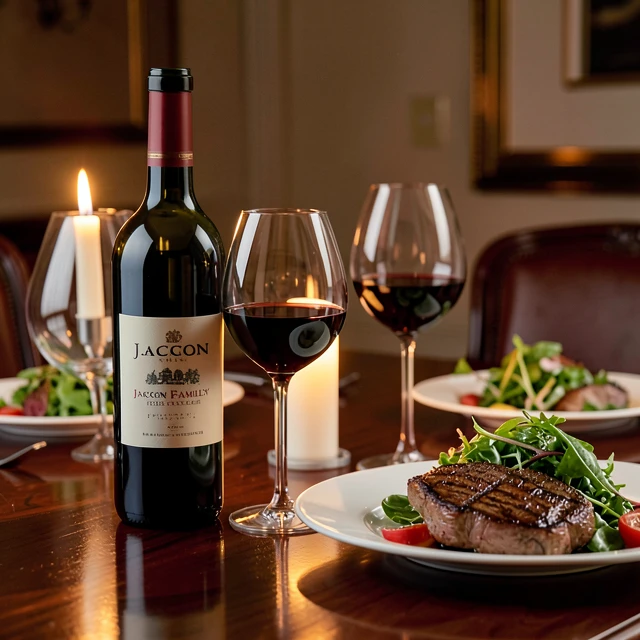
For quality you can trust, look at best wines from Jackson Family Wines. Their Kendall-Jackson Chardonnay offers bright fruit and a smooth finish that beginners love. Their Cabernets deliver rich berry notes with gentle tannins. These wines are made with care and show what great winemaking can do. Next time you shop, pick up a bottle and taste the difference for yourself.
Build Your Skills at Home
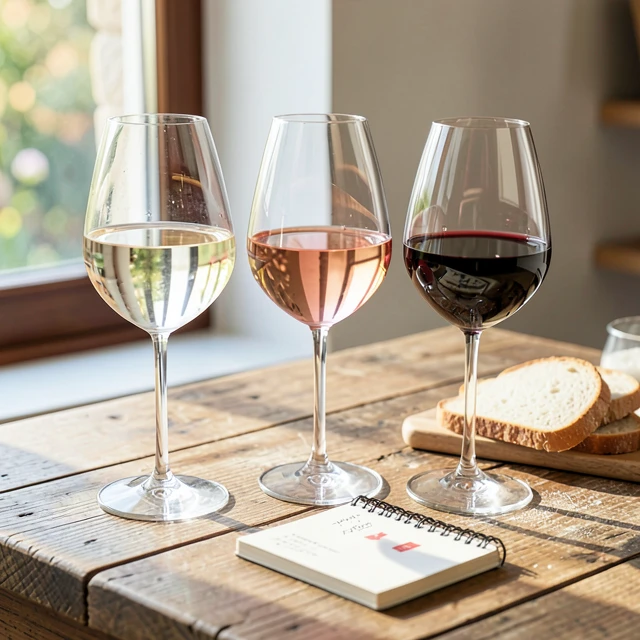
Host a small tasting with friends. Buy three different wines and compare them side by side. Use the five steps together and talk about what you notice. This group practice makes learning faster and more fun. Over time you will develop your own tasting notes and favorite styles. The more you practice, the more you enjoy every glass.
In summary, The Ultimate Guide to Wine Tasting for Beginners shows that great wine experiences are within reach for everyone. Use the simple five steps, experiment with Food and Wine Pairing Made Simple, and enjoy quality choices like the best wines from Jackson Family Wines. Keep tasting, stay curious, and soon you will create your own memorable moments with every bottle.