An Insight into New World Wines: The Rise, Sustainability, and Innovation Shaping the Future
Overview
New World wines come from countries outside Europe’s traditional heartlands, such as the United States, Australia, New Zealand, South Africa, Chile, and Argentina. These wines bring bold flavors, innovative techniques, and a fresh approach to winemaking. In this article, you will gain An Insight into New World Wines, from their rapid rise on the global stage to the sustainable practices that define their success today. Whether you are a casual sipper or a serious collector, you will find practical tips and real-world examples that make these wines approachable and exciting.
What Sets New World Wines Apart
New World wines stand out because makers focus on the grape variety rather than strict regional rules. In Old World regions like France or Italy, laws often dictate exactly how to grow grapes and make wine. New World producers experiment more freely. They blend science with creativity to create wines that taste fruit-forward, approachable, and consistent from year to year.
I remember my first sip of a California Cabernet Sauvignon during a trip to Napa Valley. The wine burst with blackberry and dark chocolate notes—nothing like the earthy, restrained reds I had tasted in Bordeaux. That moment showed me how New World wines invite you to enjoy them right away instead of waiting years for them to mature.
These wines also reflect the diverse climates and soils of their homes. Australia’s Shiraz thrives in warm, sunny conditions, while New Zealand’s Sauvignon Blanc captures crisp, green-apple freshness from cooler coastal breezes. The result? Wines that tell a clear story of their place without needing a history book to explain them.
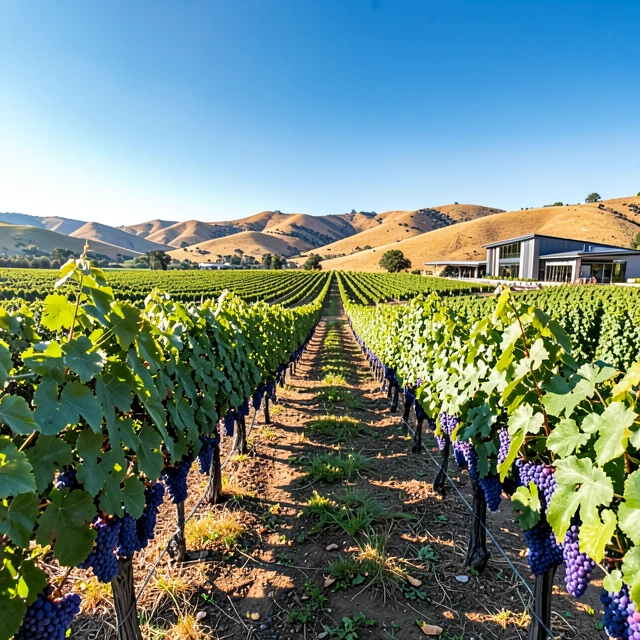
The Rise of New World Wines: A Comprehensive Guide
The Rise of New World Wines: A Comprehensive Guide starts in the late 20th century when these regions began challenging Europe’s dominance. Improved technology, better vineyard management, and smart marketing helped them gain ground. Today, New World producers account for roughly one-third of global wine exports, according to industry reports.
What drove this growth? Consumers wanted wines that were easy to understand and pair with everyday meals. New World labels clearly state the grape variety on the front, unlike many Old World bottles that highlight the region instead. This simple change opened the market to millions of new drinkers.
Climate also played a role. While Old World regions faced cooler, unpredictable weather, New World areas often enjoyed more consistent sunshine. Winemakers used this advantage to ripen grapes fully, producing richer, more opulent styles. At the same time, they invested in research to combat challenges like drought and heat.
The global wine map has shifted permanently. Countries like Chile and Argentina now export premium wines that compete directly with French and Italian icons. You can find these bottles in supermarkets and fine restaurants alike, proving that quality no longer belongs only to the Old World.
Sustainable Practices in Modern Winemaking
Sustainability now sits at the heart of modern winemaking. Producers understand that healthy vineyards equal great wine for generations to come. They focus on three pillars: environmental care, social responsibility, and economic strength.
Key practices include cover cropping to build soil health, drip irrigation to save water, and integrated pest management that avoids harsh chemicals. Many wineries also recycle water and compost grape skins to create natural fertilizer.
Learn more about the California Sustainable Winegrowing Program from the Wine Institute, an established organization that sets clear standards for these efforts. Their program helps growers track progress and share best practices across thousands of vineyards.
These steps do more than protect the planet. They often improve grape quality by creating balanced ecosystems where vines work harder to pull unique flavors from the soil.
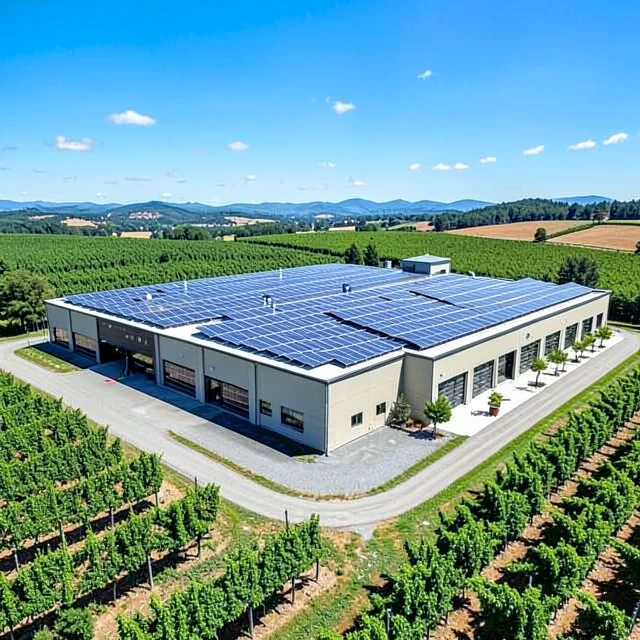
The Impact of Solar Power in Wineries
The Impact of Solar Power in Wineries has transformed how producers manage energy. Winemaking requires electricity for cooling tanks, pumps, and lighting—often around the clock during harvest. Solar installations cut costs and slash carbon emissions at the same time.
Many New World wineries now generate a significant portion of their power on-site. Rooftop panels and even floating arrays on reservoirs capture abundant sunshine. Excess energy can feed back into the grid or power electric vehicles used in the vineyard.
The benefits add up quickly. Wineries report 20 to 40 percent lower electricity bills after installing solar systems. They also gain resilience against rising utility rates and power outages. Plus, customers love knowing their favorite bottle came from a low-carbon operation.
Forward-thinking producers combine solar with battery storage and energy-efficient equipment. This holistic approach proves that sustainability and premium quality can go hand in hand.
Jackson Family Wines vs Other Wine Brands
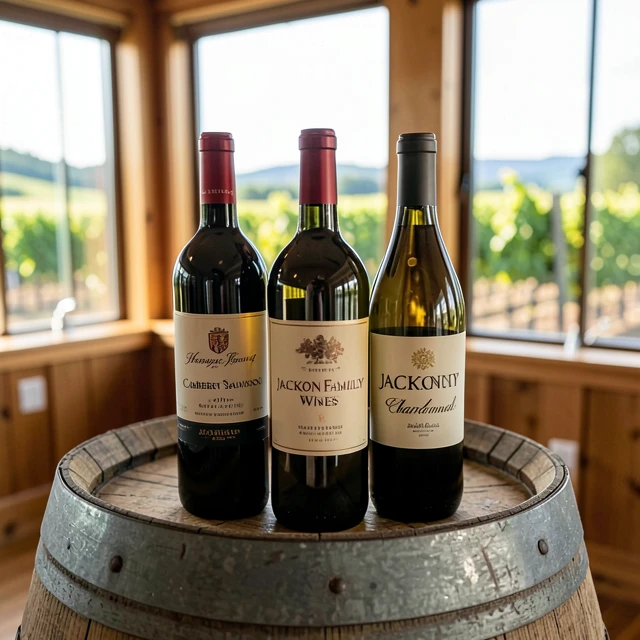
When you compare Jackson Family Wines vs other wine brands, sustainability and innovation rise to the top. Jackson Family Wines operates some of the most respected estates in California and beyond. Their “Rooted for Good” plan sets ambitious goals: cut carbon emissions in half by 2030 and reach climate positivity by 2050.
They already run the largest solar array of any U.S. winery, powering more than 30 percent of operations with renewable energy. Since 2015, they have reduced greenhouse gas emissions by 17.5 percent—the equivalent of removing thousands of cars from the road each year.
Other large brands like Gallo and Constellation invest in green practices too, but Jackson stands out for scale and transparency. They share detailed reports on water use, biodiversity, and community programs. Smaller boutique producers often focus on organic farming alone, while Jackson combines regenerative agriculture, solar power, and employee wellness initiatives.
Here is a quick comparison:
| Aspect | Jackson Family Wines | Typical Other Large Brands | Boutique Producers |
|---|---|---|---|
| Solar Energy | Largest U.S. winery array (30%+ power) | Moderate installations | Limited or none |
| Carbon Reduction Goal | 50% by 2030, climate positive 2050 | Varies, often less aggressive | Strong but smaller scale |
| Regenerative Farming | All estates by 2030 | Partial adoption | Often 100% organic |
| Transparency | Public annual reports | Basic disclosures | Highly personal stories |
This table shows why Jackson Family Wines often leads the conversation on responsible luxury wine.
Personal Insights and Actionable Advice
Over the years I have visited wineries across California, Australia, and New Zealand. One lesson stands out: the best New World wines balance boldness with balance. Look for producers who mention sustainable practices on their back labels. These details often signal higher care in the vineyard.
Try this simple tasting experiment at home. Buy one New World Cabernet and one Old World version from the same price range. Chill both slightly, pour side by side, and note the differences. You will train your palate and discover which style suits your meals best.
If you want to support sustainability, choose bottles from certified programs. Many New World regions now offer easy-to-spot seals. Your purchase helps fund soil health and renewable energy projects.
Finally, store your wines at a steady 55°F (13°C) and drink the fruit-forward New World styles within five to seven years. They shine young and pair beautifully with grilled meats, spicy Asian dishes, or even dark chocolate.
Wrapping Up: Why New World Wines Matter Now
An Insight into New World Wines reveals a dynamic industry built on innovation, responsibility, and great taste. From the bold rise of these wines to cutting-edge sustainable practices in modern winemaking and the clear leadership shown by brands like Jackson Family Wines, the future looks bright. Next time you reach for a bottle, remember the stories behind the label. Raise a glass to the people and places creating wines that respect both tradition and tomorrow.