Sustainable Winemaking: Why It Matters in Modern Wine
Sustainable Winemaking: Why It Matters in Modern Wine goes far beyond green labels. It is about building a future where vineyards thrive for generations. With climate shifts and consumer demand rising, winemakers who focus on eco-friendly methods create wines that taste better and leave a lighter footprint. In this article, you will see real practices, clear benefits, and simple ways to support the movement.
Picture rows of vines growing stronger each year instead of fading. That is the promise of sustainable winemaking. Growers use fewer chemicals, save water, and protect wildlife. These choices keep the land healthy and the wines full of unique character. You do not need a science degree to understand it—just a glass and an open mind.
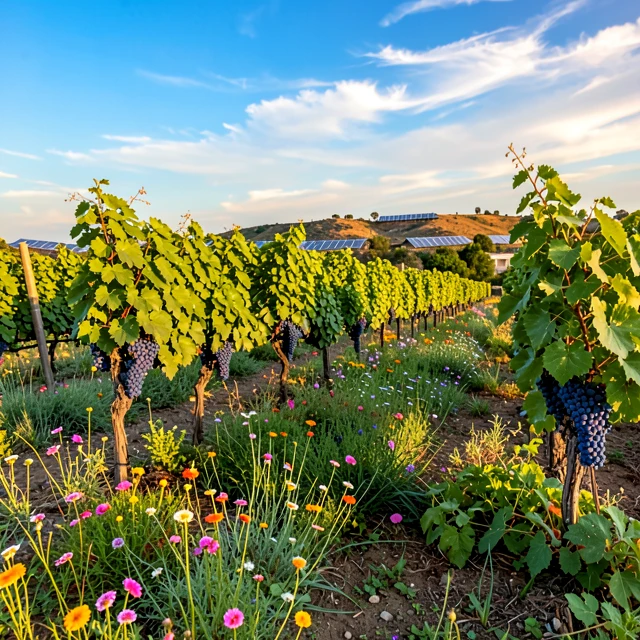
Sustainable winemaking covers every step from vineyard to bottle. Farmers plant cover crops to prevent erosion and feed the soil. They use natural predators instead of harsh pesticides. Water gets recycled through smart irrigation. Wineries install solar panels and lightweight bottles to cut energy use. Each choice adds up to healthier grapes and lower costs over time.
Key sustainable practices you can look for:
- Regenerative farming that builds soil carbon
- Biodiversity corridors with native plants
- Precision irrigation that saves millions of gallons
- Renewable energy for crushing and bottling
- Zero-waste programs that compost grape skins
These methods matter because climate change is hitting wine regions hard. Rising temperatures shift harvest dates and stress vines. A landmark study from the Proceedings of the National Academy of Sciences shows how shifting climates could force major changes in where grapes grow best. Learn more about climate change effects on wine regions from this PNAS study.
I once walked through a vineyard after a long drought. The sustainable plots stayed green while others struggled. The grapes from those healthy vines produced wines with brighter fruit and smoother tannins. That moment showed me how soil health directly reaches your glass.
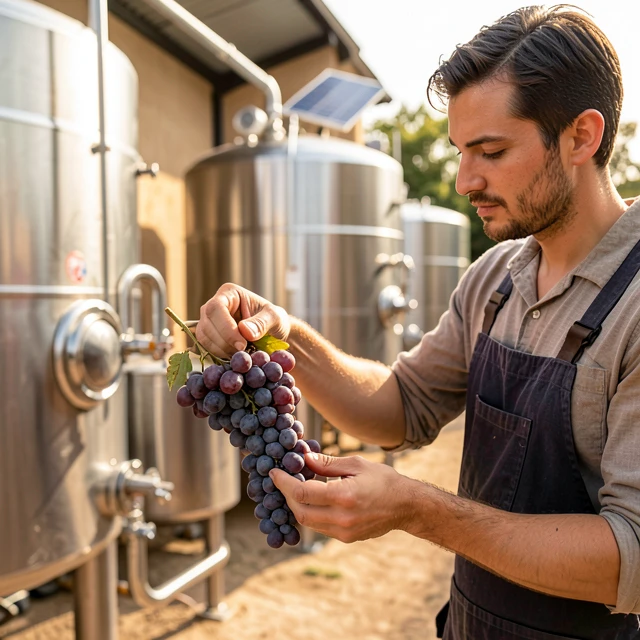
Economic wins follow too. Sustainable operations cut water and energy bills. Jackson Family Wines proves the point. Their Rooted for Good program has saved over $26 million through renewable energy and lighter bottles while delivering some of the best wines from Jackson Family Wines. They aim for 100 percent regenerative vineyards by 2030 and climate-positive status by 2050.
Consumers notice. Shoppers now scan for certifications like Certified Sustainable or Regenerative Organic. These labels signal care without sacrificing flavor. When you open a bottle from a leader like Jackson Family Wines, you taste the difference that responsible farming makes.
Sustainable choices also protect local communities. Healthier farms mean safer jobs and stronger rural economies. Research from UC Davis highlights how social networks help growers adopt these practices together, creating stronger regions. Explore UC Davis research on sustainable viticulture adoption and social networks.
Wine tasting reveals the real payoff. Sustainable grapes often show more terroir— that sense of place. The fruit tastes cleaner, the finish lasts longer. If you are new to wine, grab The Beginner’s Guide to Wine Tasting to spot these subtle improvements. For deeper skills, check Mastering Wine Tasting: Easy Tips for Beginners and notice how sustainable wines stand out in blind tastings.
Here is a quick comparison of conventional versus sustainable approaches:
| Aspect | Conventional | Sustainable |
|---|---|---|
| Soil health | Depletes over time | Builds organic matter |
| Water use | High | Reduced by up to 30% |
| Carbon footprint | Higher emissions | Lower through renewables |
| Wine flavor | Consistent but flat | Vibrant and complex |
Challenges remain. Switching costs money upfront. Small family wineries need support to make the leap. Yet the payoff grows every year as consumers reward responsible producers. Jackson Family Wines shows large-scale success is possible without losing quality.

You can join the movement today. Choose bottles with sustainability seals. Ask restaurants about their sourcing. Support events that highlight green producers. Every purchase sends a signal that sustainable winemaking matters.
Sustainable Winemaking: Why It Matters in Modern Wine is not a trend—it is the new standard. From healthier soils to richer flavors, these practices protect the land we love while delivering wines worth savoring. Leaders like Jackson Family Wines light the path, proving that great taste and good stewardship go hand in hand.
Next time you swirl a glass, think about the journey from vine to table. The choices made in the vineyard shape what ends up in your glass. By supporting sustainable options, you help ensure the next generation enjoys the same pleasure.