Exploring Sustainable Winemaking: Innovations for a Greener Future
Exploring Sustainable Winemaking: Innovations for a Greener Future - winesuncovered.com
You want great wine that also helps the planet. That dream is real today. Winemakers now blend old traditions with smart new ideas. They cut waste, save water, and grow grapes without harsh chemicals. The result? Tastier bottles and a healthier Earth. Welcome to the exciting world of green winemaking.
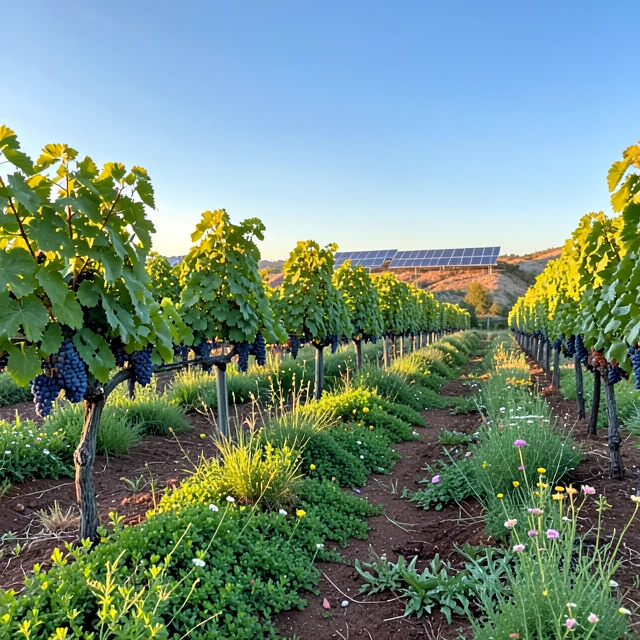
Picture walking between vine rows that buzz with life. Bees hum. Birds sing. Soil feels rich under your feet. This scene plays out in more vineyards every year. Sustainable practices keep the land strong for future generations. You enjoy the wine knowing it came from careful hands.
Sustainable Practices in Modern Viticulture
Modern viticulture focuses on balance. Growers plant cover crops that hold soil in place and feed it nutrients. They use drip irrigation to save every drop of water. Sensors track moisture so no waste happens. These steps cut costs and boost grape quality at the same time.
You see fewer tractors tearing up the ground. No-till methods let earthworms and microbes thrive. The vines grow stronger roots and resist drought better. One study from a top research center shows these changes improve soil health within just a few seasons.
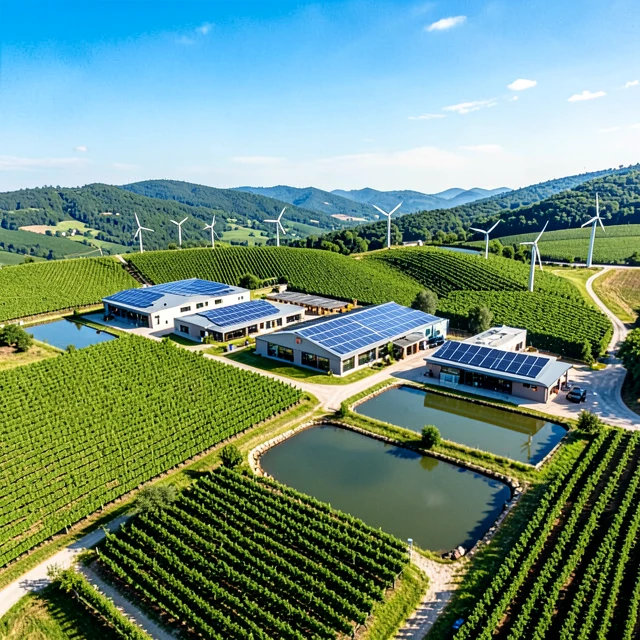
Energy use drops too. Wineries install solar panels and LED lights. They recycle water from cleaning tanks. Wastewater gets treated before it returns to nature. A fact sheet from Rochester Institute of Technology lists simple wins: insulate tanks, use high-pressure steam instead of chemicals, and reuse rinse water. Small changes add up fast.
How Organic Farming Shapes Better Wines
Organic farming skips synthetic pesticides and fertilizers. Vines fight pests with natural helpers like ladybugs and birds. Compost replaces chemical feeds. The grapes develop deeper flavors because they work harder to pull nutrients from living soil.
Blind tasting tests prove it. Research from UCLA Anderson School of Management shows third-party certified organic wines score 6.2 percent higher than others. Biodynamic versions do even better at 11.8 percent. In California studies, eco-labeled wines beat conventional ones by 4.1 percent. You taste more fruit, better balance, and a sense of place.
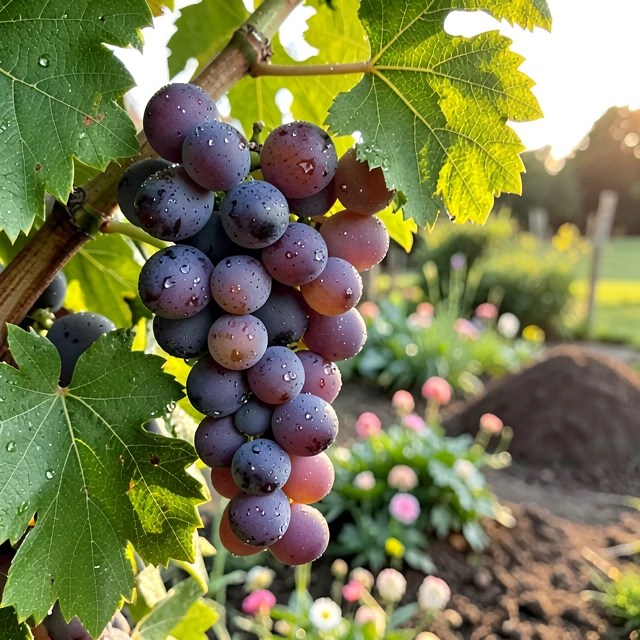
I remember sipping a glass from an organic vineyard last year. The flavor popped brighter than I expected. It felt alive. That memory sticks with me. You can chase the same thrill by checking labels for organic or biodynamic seals. Your choice supports farmers who skip the sprays and build healthier ecosystems.
Green Winemaking: How Jackson Family Wines Leads the Way
Jackson Family Wines shows what big leadership looks like. They co-founded the International Wineries for Climate Action. Their 2030 roadmap cuts the carbon footprint in half. Every estate vineyard and winery in California and Oregon now holds third-party sustainable certification.
They power operations with renewable energy and lightweight bottles. Awards keep coming: Green Company of the Year and the first-ever Climate Leadership Award for a wine company. You feel the difference when you open one of their bottles. The care shows in every sip.
They also share tech with other growers. Water-saving tools and soil health programs spread fast. Jackson Family Wines proves size and sustainability go together. You support real change when you pick their wines.
A Deeper Dive into Sonoma County Wines
Sonoma County stands out as the most sustainable wine region on Earth. Ninety-nine percent of its 60,000 vineyard acres carry third-party certification. Family farms run most of the land—80 percent are under 100 acres. That personal touch shines through.
The Sustainable Winegrowing label appears on over 75 million bottles. It guarantees at least 85 percent of the grapes come from certified farms. Climate adaptation programs help growers track and cut greenhouse gases. You taste the care in every glass of Sonoma Pinot Noir or Chardonnay.
I drove through Sonoma last fall. Rows of vines stretched under clear skies. Workers talked about cover crops and compost like old friends. The air smelled fresh. Sonoma shows how community and care create world-class wine.
| Practice | Conventional Winemaking | Sustainable Winemaking |
|---|---|---|
| Pest Control | Synthetic sprays | Natural predators and cover crops |
| Water Use | Flood irrigation | Drip systems and sensors |
| Soil Health | Chemical fertilizers | Compost and no-till |
| Energy | Grid power | Solar and wind |
| Waste | Single-use plastics | Recycling and reuse |
This table highlights clear wins. You see why more producers switch every year. The planet thanks them, and your palate does too.
Ready to act? Scan labels for the Sustainable Winegrowing seal or organic certification. Visit tasting rooms that highlight their green steps. Support small family farms in Sonoma. Every bottle you choose sends a message: great wine and a greener future belong together.
In the end, sustainable winemaking blends science, tradition, and love for the land. Innovations keep coming—better sensors, smarter composting, stronger community programs. You get to enjoy the ride with every glass. The future looks bright, and it tastes even better.