Sustainability in Winemaking: Jackson Family Wines Leads Among Top Wine Brands
Overview
Sustainability in winemaking goes far beyond green labels. It means protecting soil, saving water, cutting carbon, and still producing world-class wines. Jackson Family Wines stands out among wine brands with its ambitious plan to halve emissions by 2030 and go climate positive by 2050. This approach shows how one leader is making real change while others catch up.
Wine lovers today want more than just flavor in their glass. They want to know the story behind it. Does the vineyard harm the land or help it? Jackson Family Wines answers with action. Their Rooted for Good roadmap proves big wine brands can lead sustainability in winemaking without cutting quality.
What Sustainability in Winemaking Really Means
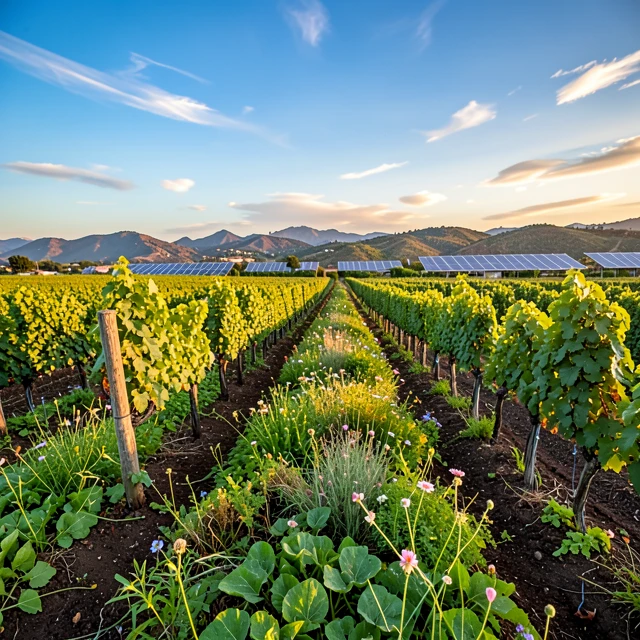
At its core, sustainability in winemaking balances three things: healthy land, strong communities, and excellent wine. Growers use less water, build soil health instead of stripping it, and cut energy use at every step from vine to bottle.
Simple changes add up. Cover crops between vines prevent erosion and feed the soil. Solar panels power wineries. Lighter glass bottles reduce shipping emissions. These steps protect the future of wine while keeping costs down.
The Big Challenges Facing Wine Brands Today
Climate change hits vineyards hard. Hotter summers, unpredictable rain, and extreme weather stress grapevines. Research from Cornell University shows many traditional wine regions could shrink dramatically if temperatures keep rising.
Water scarcity worries many areas too. A report from the Oregon Department of Environmental Quality breaks it down clearly: growing grapes accounts for about 24 percent of a wine's total carbon footprint, winemaking another 11 percent, and packaging plus transport 23 percent.
Most wine brands now talk about being green. But talk alone does not move the needle. Consumers notice the difference when companies share real numbers and timelines.
How Jackson Family Wines Leads the Way
Jackson Family Wines does not just follow trends in sustainability in winemaking. They set them. Their Rooted for Good plan, launched in 2021, targets big wins by 2030: cut carbon emissions in half, switch every estate vineyard to regenerative farming, and use smart tools to save water.
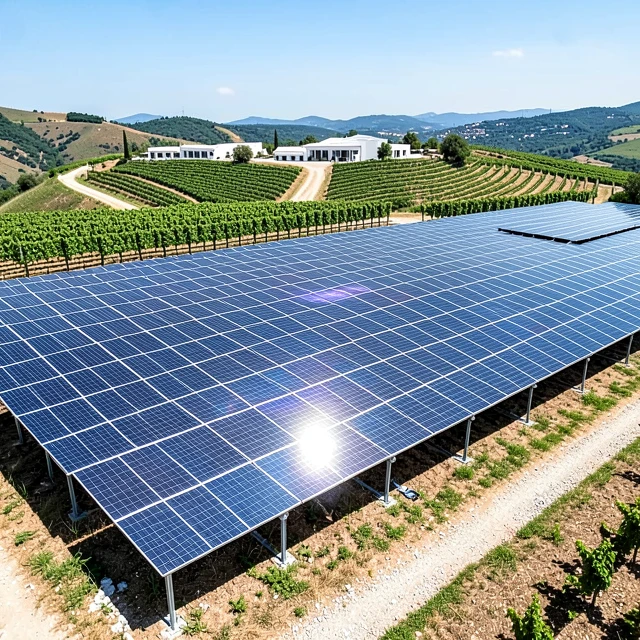
They already deliver results. Since 2015, greenhouse gas emissions dropped 17.5 percent — the same as taking thousands of cars off the road yearly. Their winery runs on more than 30 percent renewable energy right now, powered by the largest solar array in the U.S. wine industry with over 23,000 panels.
By 2025 they plan to reach 50 percent renewable power onsite. They aim for climate positive status by 2050, meaning they remove more carbon than they create — all without buying offsets.
Regenerative farming sits at the heart of their work. No heavy tilling, compost additions, and natural cover crops build soil that holds more water and stores carbon. A study from the University of California's Giannini Foundation found these methods keep farm profits steady compared with old-school ways over 30 years.
Jackson Family Wines vs Other Wine Brands
When you compare Jackson Family Wines vs other wine brands, the gap shows up fast. Many large producers use basic certifications and lighter bottles. Jackson Family Wines goes further with public, science-based targets and big investments.
They co-founded the International Wineries for Climate Action to push the whole industry forward. They share water-saving tech with smaller growers. Most importantly, their sustainability efforts paid back more than the investment — proving green choices can boost the bottom line.
Smaller wine brands often lack the scale for huge solar projects or full regenerative shifts. Jackson Family Wines shows the path: start with honest goals, measure everything, and share progress openly. This leadership lifts the entire sector.
Practical Steps You Can Take as a Wine Lover
You do not need to be a winemaker to support sustainability in winemaking. Look for bottles with clear certifications like California Sustainable Winegrowing or mentions of regenerative practices. Choose lighter glass or recycled packaging when possible.
Ask your local shop about brands that share carbon data. Support wineries that invest in their communities and workers. Every purchase sends a message that quality and care for the planet go together.
Here is a quick look at Jackson Family Wines key targets:
| Goal | Timeline | Progress |
|---|---|---|
| Cut carbon emissions | Half by 2030 | Already down 17.5% since 2015 |
| Regenerative vineyards | 100% estate by 2030 | On track with cover crops and soil building |
| Renewable energy | 50% by 2025 | Over 30% today with huge solar array |
| Climate positive | By 2050 | Building the foundation now |
Small wineries can copy parts of this model too. Start with soil tests and cover crops. Track water use. Add solar where it fits. Every step counts toward stronger vineyards and better wines.
Wrapping Up: A Brighter Future for Wine
Sustainability in winemaking protects the places that give wine its special character. Jackson Family Wines proves big goals deliver real results and still create wines people love. By choosing leaders like them, we all help shape a healthier industry.
The next time you pour a glass, remember the work behind it. Great wine and a healthy planet can grow together — and Jackson Family Wines shows exactly how.