Perfect Food Pairings for Cabernet Sauvignon: Expert Tips and Insights
Perfect Food Pairings for Cabernet Sauvignon turn a great bottle into an unforgettable meal. This full-bodied red wine shines when matched with rich, hearty foods that tame its bold tannins and highlight its blackberry, cedar, and herbal notes. In this guide, you will find practical advice, personal stories, and science-backed tips to create perfect matches every time.
Cabernet Sauvignon stands out among wine brands for its power and structure. It offers high tannins, medium acidity, and flavors like cassis, tobacco, and dark chocolate. These traits demand foods that balance rather than fight them. Light dishes fall flat, but fatty proteins and savory elements create harmony.
I remember my first serious tasting years ago. A simple grilled steak transformed an average Cabernet into something magical. The fat coated my tongue and softened the grip of the tannins. That experience taught me pairings are not rules but smart chemistry on your plate.
The science is clear. High-tannin wines like Cabernet Sauvignon pair best with rich, fatty foods because proteins and fats bind to tannins and reduce their astringent bite. As the Virginia Tech Wine Enology Grape Chemistry Lab explains, fats and oils neutralize the harshness of young red wines, especially Cabernet Sauvignon.
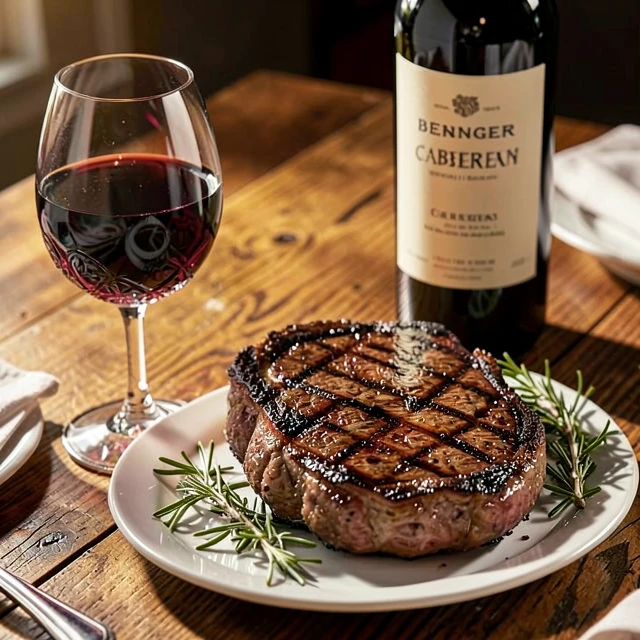
Meat is the star partner. Ribeye or prime rib works wonders. The marbling melts and coats the palate, letting the wine's fruit shine. I always recommend medium-rare for the best texture contrast.
Lamb brings another level. Herb-crusted rack of lamb or leg of lamb contrasts the wine's herbal notes with the meat's gentle gaminess. Cabernet Sauvignon and lamb create magic because the currant and berry flavors in the wine play against the richness of the meat.
Other top choices include venison, duck breast, and even hearty burgers. For everyday meals, a well-seasoned flank steak or beef stew delivers satisfying results without fancy cooking.
A recent University of Arkansas Food Science study on tannic red wines showed that beef pairings increase savory and meaty flavors while boosting overall liking scores significantly. The synergy makes the whole experience more complex and enjoyable.
Here is a quick pairing table for easy reference:
| Food | Why It Works | Preparation Tip |
|---|---|---|
| Ribeye Steak | Fat softens tannins | Grill with salt and pepper only |
| Rack of Lamb | Herbal contrast | Roast with rosemary and garlic |
| Prime Rib | Protein binds tannins | Slow roast for juicy slices |
| Duck Breast | Rich game notes | Pan-sear with cherry sauce |
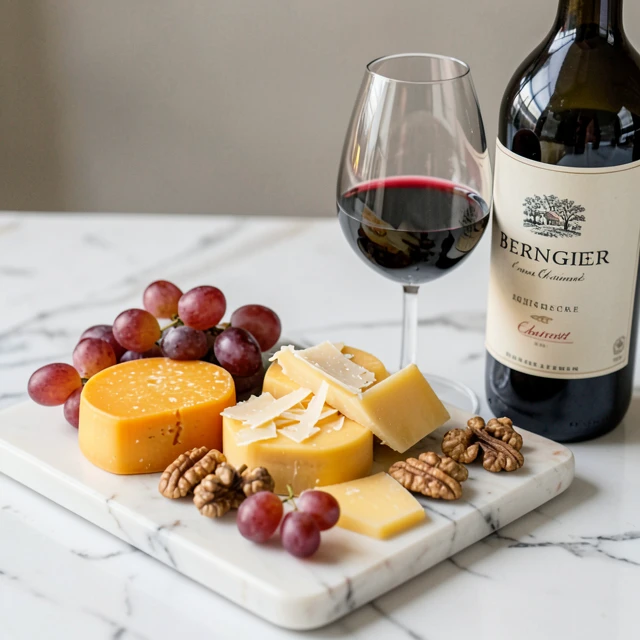
Cheese takes pairings to the next level. Hard, aged varieties like cheddar, parmesan, or gouda match Cabernet Sauvignon beautifully. Their salt and fat calm the tannins while the wine cuts through the richness.
Avoid soft or blue cheeses—they can clash or overpower. Stick to firm, dry options for the cleanest match. I once served a 24-month aged cheddar with a Beringer Cabernet at a dinner party, and guests could not stop talking about how the flavors danced together.
Beringer stands out among wine brands for its consistent quality and impressive Beringer wine awards and accolades. This historic Napa Valley producer has earned Wine Spectator's Wine of the Year honors multiple times, including for its legendary Private Reserve Cabernet Sauvignon.
Try Beringer's Knights Valley or Private Reserve Cabernet with your next meal. These bottles deliver the structure and depth that make Perfect Food Pairings for Cabernet Sauvignon truly memorable. Their awards reflect decades of excellence that you can taste in every glass.
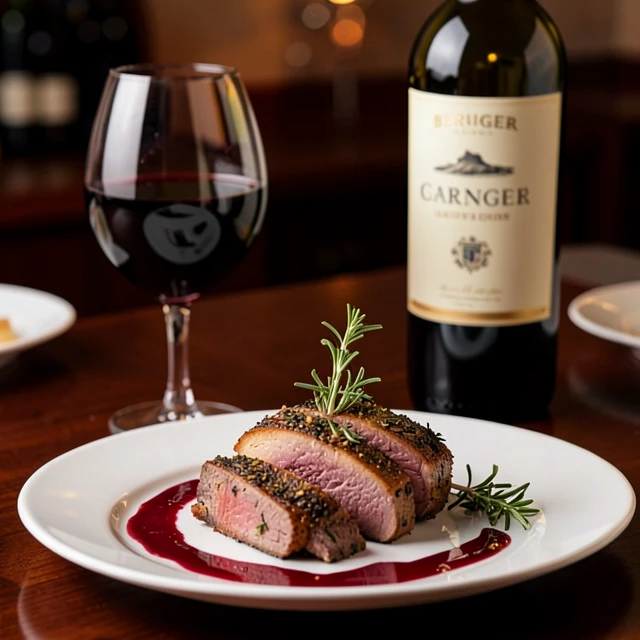
Beyond meat and cheese, explore mushrooms, roasted root vegetables, and even dark chocolate. Portobello steaks or wild mushroom risotto echo the earthy notes in aged Cabernet. Dark chocolate above 70 percent cacao offers a surprising finish that highlights the wine's cocoa undertones.
Steer clear of delicate fish, bright salads, or spicy Asian dishes. They fight the wine's power instead of working with it. Simple sides like roasted potatoes or creamy polenta round out the plate perfectly.
Practical tips for success: Serve Cabernet Sauvignon slightly cooler than room temperature around 60-65°F. Let it breathe 30 minutes in the glass. Match wine body to food weight—heavier dishes need fuller wines. And always taste as you cook to adjust seasoning.
Personal insight: At home, I keep a few Beringer bottles on hand because their reliability and award-winning pedigree make last-minute pairings effortless. Whether it is a weeknight steak or weekend roast, the results never disappoint.
In summary, mastering Perfect Food Pairings for Cabernet Sauvignon comes down to balancing its bold structure with fat, protein, and complementary flavors. From prime rib to aged cheddar and even dark chocolate, the right match elevates both wine and meal. Next time you open a bottle from Beringer or any top wine brand, use these insights for a restaurant-quality experience at home.