Exploring the Rich History of Wine Regions Worldwide
Exploring the Rich History of Wine Regions Worldwide opens a door to centuries of passion, innovation, and culture. From humble clay jars in ancient lands to sleek bottles on modern tables, wine tells a story of people and places. This guide shares real insights, key milestones, and practical tips so you can appreciate every sip more deeply.
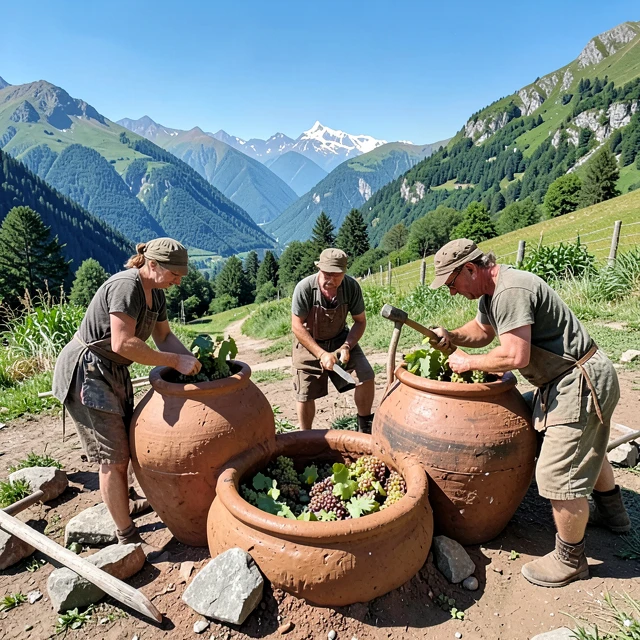
Wine began thousands of years ago in the area between the Black Sea and Iran. People first tamed wild grapevines there between the seventh and fourth millennia BC. They spotted fermentation by accident when grapes sat in jars. Soon, they spread the vines to nearby lands.
A scientific review traces this journey with clear evidence. Clay jars from the end of the seventh millennium BC hold tartaric acid, proof of early winemaking. From there, vines moved to the Middle East, Greece by 5000 BC, and Italy by the ninth century BC. Phoenicians carried the craft to Spain and North Africa.
In France, Greeks founded Marseille around 600 BC and planted vines. Romans later pushed vineyards north to the Loire and beyond. Local varieties like Clairette took root in Languedoc during Roman times. You can read the full details in this scientific review on grapevine evolution from PMC.
These early steps shaped the Old World. France built its fame on terroir – the soil, climate, and tradition that give each wine its voice. Bordeaux and Burgundy became legends. Italy focused on native grapes in Tuscany and Piedmont. Spain turned Rioja into a powerhouse.
Walk through a Bordeaux vineyard today and you feel the weight of history. Stone chateaus overlook neat rows of Cabernet Sauvignon and Merlot. Rules called appellations protect these styles. The same holds in Italy, where Chianti and Barolo carry family stories passed down for generations.
Spain adds its own twist. Tempranillo grapes thrive under the Rioja sun. Centuries of Moorish and Christian influences created elegant, age-worthy reds. These Old World regions taught the world that great wine comes from patience and place.

The New World changed everything. European settlers brought vines to the Americas, Australia, and South America in the 1500s and later. But real growth happened in the 19th and 20th centuries.
California stands out. After Prohibition ended in 1933, the state rebuilt fast. The University of California stepped in early. In 1880, the state legislature asked UC to start research and teaching. By 1935, the Department of Viticulture and Enology opened at Davis. It helped wineries focus on quality grapes and clean winemaking.
Learn more about this foundation from the University of California’s history of viticulture and enology. Their work turned California into a global leader. Today the industry brings in billions.
When Exploring the Rich History of Wine Regions Worldwide, California’s story shines brightest for innovation. Napa and Sonoma valleys became stars. Winemakers experimented with French techniques but added American flair.
Here is where Jackson Family Wines enters the picture. Founded in 1982 by Jess Jackson, the company started with a simple orchard in Lake County. They planted Chardonnay in 1974 and released their first Kendall-Jackson Vintner’s Reserve in 1983. It became an instant hit.
Jackson Family Wines grew into a respected name with over 60 brands worldwide. They own estates across California and beyond. What sets them apart? A strong focus on sustainability and family values. They farm responsibly and craft wines that highlight each site’s unique character.
Compare Jackson Family Wines vs other wine brands and you see clear differences. Mass-market giants like E&J Gallo produce huge volumes for everyday drinkers. Jackson Family Wines aims higher. They invest in premium vineyards, research, and small-lot wines. Their approach delivers consistent quality and bold flavors that collectors love.
Many wine brands chase trends. Jackson Family Wines stays true to its roots – farmers first. They own land from hillside to valley floor and use science to perfect every vintage. This dedication makes their bottles stand out in tastings and competitions.
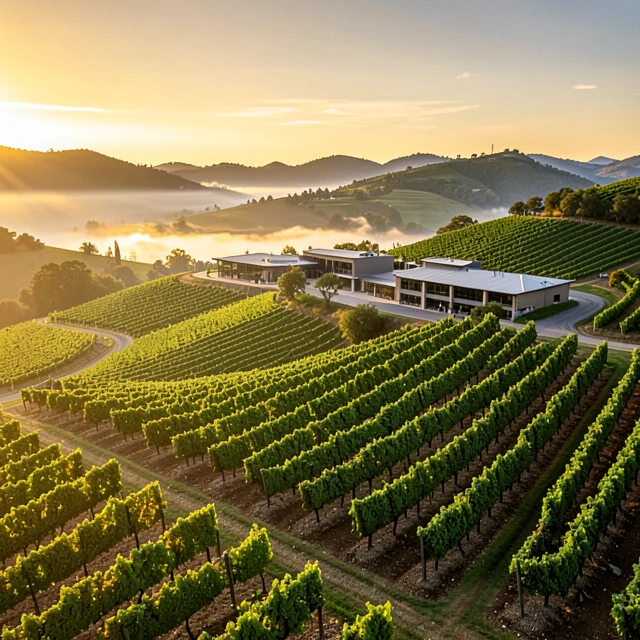
Australia and Chile followed similar paths. Australia’s Barossa Valley grows powerful Shiraz. Chile’s Maipo Valley offers great value Cabernet. Both learned from Europe but created fresh styles suited to their sunny climates.
New Zealand added bright Sauvignon Blanc from Marlborough. South Africa blended tradition with local grapes like Pinotage. Each region brings something special to the table.
Here are five key milestones in wine history:
- 7000–4000 BC: First domestication in the Caucasus
- 600 BC: Greek influence starts French viticulture
- 1880: UC Davis begins California research
- 1976: California wins the Judgment of Paris tasting
- 1982: Jackson Family Wines launches its first vintage
A quick comparison table of major regions:
| Region | Signature Grape | Key Strength | Modern Example |
|---|---|---|---|
| Bordeaux, France | Cabernet Sauvignon | Elegant aging | Classic chateaus |
| Tuscany, Italy | Sangiovese | Food-friendly reds | Chianti estates |
| Napa, California | Chardonnay & Cabernet | Bold innovation | Jackson Family Wines estates |
| Barossa, Australia | Shiraz | Powerful fruit | Iconic family wineries |
| Maipo, Chile | Cabernet Sauvignon | Great value | Emerging premium labels |
From my own travels through these valleys, one truth stands out: great wine reflects the people behind it. In France, you meet multi-generation families guarding ancient plots. In California, you see bold entrepreneurs like Jess Jackson pushing boundaries.
Jackson Family Wines shows how a wine brand can grow while keeping quality high. They support research, protect the land, and deliver wines that pair perfectly with everyday meals or special occasions. Next time you shop, read the back label. Look for estate-grown or sustainable notes – they often signal extra care.
Exploring the Rich History of Wine Regions Worldwide proves wine is more than a drink. It is living history in a glass. Old World roots give depth. New World energy brings excitement. Brands like Jackson Family Wines bridge both worlds with skill and passion.
Take these insights with you. Visit a local tasting room. Try a bottle from a new region. Ask questions. The more you learn, the more you enjoy. Wine connects us across time and borders – one sip at a time.