How Jackson Family Wines Goes Green: Leading the Charge in Sustainable Winemaking
How Jackson Family Wines Goes Green
Jackson Family Wines takes real steps to protect the planet while making top-quality wines. Their bold plan shows how wineries can fight climate change and still deliver great taste. In this article, you will see exactly how they do it and why these efforts matter for the future of wine.
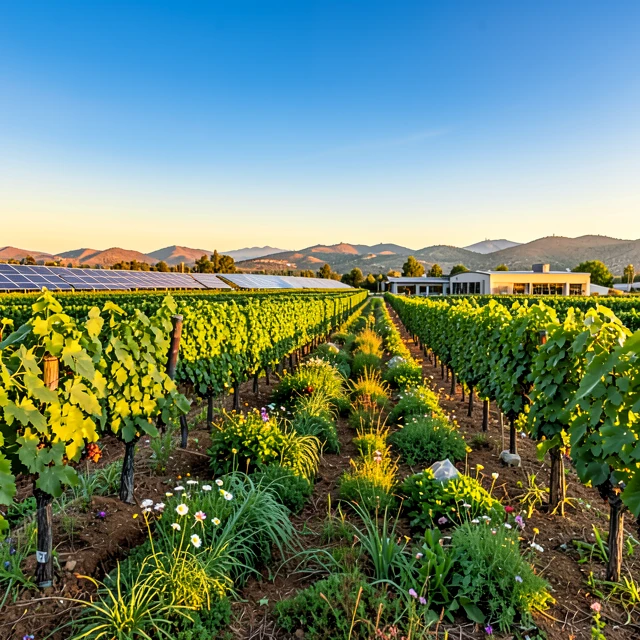
Founded decades ago, Jackson Family Wines owns some of the most famous brands in the world. But what sets them apart today is their deep commitment to going green. They launched Rooted for Good: Roadmap to 2030 in 2021. This plan aims to cut their carbon footprint in half by 2030 and become climate positive by 2050. They do this without buying carbon offsets – everything comes from real changes inside their operations.
Climate Change and Wine: What’s Next?
Wine lovers know that grapes grow best in specific climates. But rising temperatures and unpredictable weather now threaten many vineyards. Research from Cornell University shows that a 2-degree Celsius warming could make 56 percent of the world's wine-growing areas unsuitable. At 4 degrees, that jumps to 85 percent. Droughts, early frosts, and new diseases become common problems.
Jackson Family Wines does not wait for these changes. They act now. By reducing emissions and building healthier soils, they help ensure great wine stays available for years to come. Their work proves that sustainable choices protect both the land and the glass in your hand.
Why Sustainable Wineries Are the Future
Sustainable wineries focus on more than just low impact. They create positive change. Jackson Family Wines leads here. Since 2015, they have cut total greenhouse gas emissions by 17.5 percent. That equals removing more than 4,000 cars from the road each year.
They installed the largest solar array of any winery in the United States – over 23,000 panels. Today, renewable energy powers more than 30 percent of their winemaking. Plans call for over 50 percent by 2025, including wind turbines and floating solar setups. These moves save money and energy at the same time.
Packaging changes also help. They use lighter glass bottles made with over 50 percent recycled material. This simple switch cuts weight and emissions without changing the elegant look or protecting the wine inside.
Water management stands out too. Smart systems recycle water and return clean flows to local watersheds. They monitor every drop to keep rivers healthy for fish and wildlife.
Regenerative Farming Powers Their Success
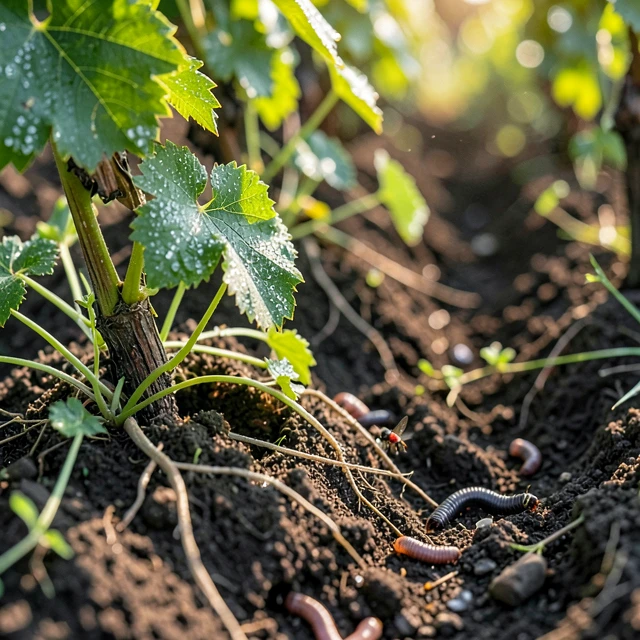
By 2030, every estate vineyard will use regenerative methods. This means no heavy tilling, lots of cover crops, compost, and even animals grazing between rows. These steps build soil health and pull carbon from the air.
Studies at UC Davis highlight how regenerative agriculture helps grapevines handle climate stress. Healthier soils hold more water and fight erosion. Vines become stronger and produce better fruit. Jackson Family Wines already converted 15 percent of their land and track carbon storage gains.
The results show in the bottle. Richer flavors come from balanced vines. Fans notice the difference in every sip.
Jackson Family Wines Award-Winning Wines Shine Brighter
Sustainability boosts quality. Brands like Kendall-Jackson produce consistent award winners year after year. Their Chardonnays and Cabernets earn top scores because healthy land creates complex grapes.
When you taste these wines, you support real change. Exploring more award-winning wines from Jackson Family Wines feels good because each bottle tells a story of care for the earth.

Personal Insights from the Vineyards
I have walked these California hills and felt the difference. The air smells fresher near their solar fields. Soil feels alive underfoot where cover crops grow. Winemakers share stories of watching wildlife return – birds, bees, even deer now thrive because habitats stay protected.
One winemaker told me how regenerative practices cut water use by 43 percent while improving grape quality. Numbers like that stick with you. You realize every choice matters.
Actionable Steps You Can Take
You do not need a winery to go green. Start small:
- Choose wines from certified sustainable producers
- Recycle your bottles properly
- Support local farms that use regenerative methods
- Learn about carbon footprints on winery websites
Jackson Family Wines shows that big goals deliver real results. Their investments returned millions in savings while protecting nature.
Looking Ahead to a Greener Glass
The wine world faces big tests from climate change. Yet leaders like Jackson Family Wines prove hope exists. Their plan covers land, water, energy, and people. By 2050 they aim to remove more carbon than they create.
This forward thinking keeps traditions alive while adapting to new realities. Sustainable wineries are not just the future – they are here today, making every pour count.
In summary, Jackson Family Wines goes green through smart science, bold goals, and daily care. Their Rooted for Good efforts cut emissions, heal soil, save water, and still deliver Jackson Family Wines award-winning wines you love. When you raise a glass, you join a movement that protects the very land that makes great wine possible.