Decoding Wine Labels: A Simple Guide
Quick Overview
Wine labels can seem mysterious at first glance, but they hold key details about what's inside the bottle. This Decoding Wine Labels: A Simple Guide breaks it down step by step so you can shop with confidence. Whether you're new to wine or just want clearer choices, you'll soon spot quality and style easily. (About 40 words)
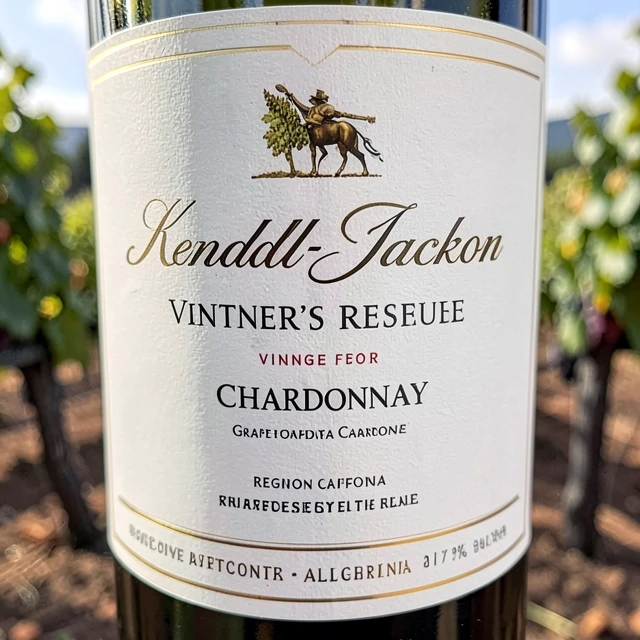
I remember my first time staring at a wine shelf, feeling overwhelmed by all the foreign words and fancy designs. That changed when I learned the basics of reading labels. Now, I pick bottles that match my mood or meal without second-guessing.
Why Wine Labels Matter
A label acts like a wine's ID card. It tells the story of the grapes, the place they grew, and often the style inside. Understanding it helps you avoid disappointments and find hidden gems.
Most labels follow rules set by authorities, like the TTB in the US. This keeps things honest and consistent.
Key Elements on the Front Label
Start with the front—it's designed to grab attention but also packs essential info.
- Producer or Brand Name: Usually big and bold. This is the winery or company, like Jackson Family Wines brands such as Kendall-Jackson or La Crema.
- Grape Variety: For many New World wines (US, Australia, etc.), the main grape shows clearly, like Chardonnay or Cabernet Sauvignon. This hints at flavors—Chardonnay often brings apple and butter notes, while Cabernet offers dark fruit and structure.
- Region or Appellation: Where the grapes come from. Napa Valley or Sonoma County means California quality. Smaller areas often signal better focus and higher quality.
- Vintage Year: The harvest year. Most wines taste best from recent good years, but some improve with age.
- Alcohol by Volume (ABV): Shown as a percentage. Lighter wines sit around 12-13%, fuller ones 14%+.
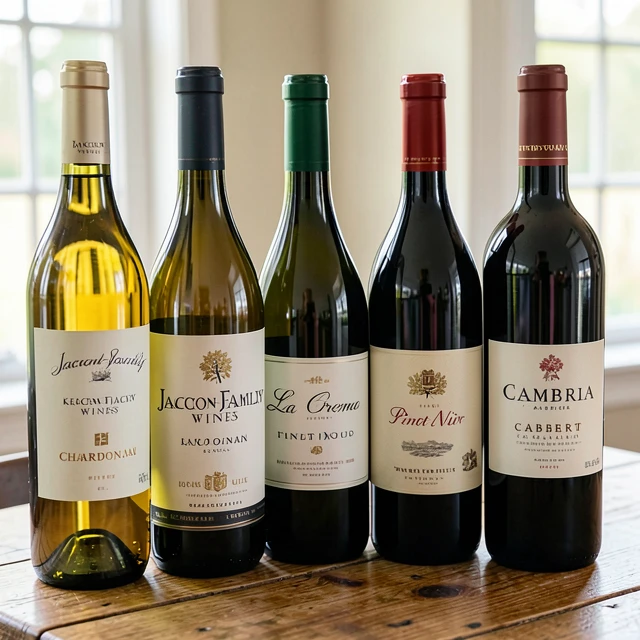
Terms like 'Reserve' or 'Estate Bottled' appear often. 'Reserve' usually means a special selection, though rules vary. 'Estate Bottled' confirms the winery grew, made, and bottled the wine itself—often a sign of care.
Back Label Insights
Flip the bottle for more details. Back labels share tasting notes, food pairings, and production info. They might explain oak aging or sustainable practices.
Look for government warnings about alcohol and health. Some include sulfite notices—most wines have them naturally or added for stability.
Old World wines (Europe) label differently. They focus on region over grape. A Bordeaux label might say 'Appellation Bordeaux Contrôlée' instead of listing Cabernet. Learning common regions helps—Burgundy for Pinot Noir and Chardonnay, Rioja for Tempranillo.
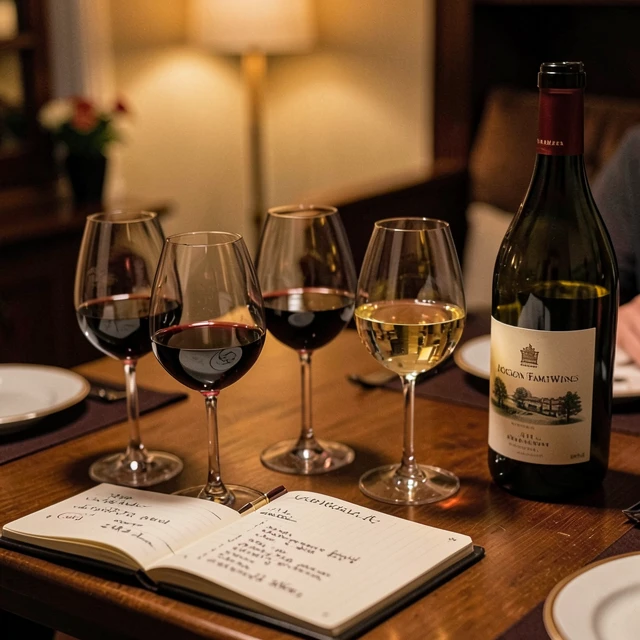
Connecting to Great Wines: Jackson Family Wines
When decoding labels, reliable names build trust. Jackson Family Wines stands out with its range of award-winning wines. Founded by Jess Jackson, the portfolio includes fan favorites like Kendall-Jackson Vintner's Reserve Chardonnay—America's top-selling Chardonnay for years thanks to its balanced, approachable style.
Other Jackson Family Wines brands shine too. La Crema delivers elegant Sonoma Coast Pinot Noir and Chardonnay. Cambria offers crisp Santa Barbara wines, often from single vineyards. Freemark Abbey brings classic Napa Cabernet. These reflect quality and consistency across regions.
Many carry sustainability certifications, appealing to mindful drinkers. Their labels clearly show variety, region, and vintage—making them easy to decode and enjoy.
Quick Reference Table: Common Label Terms
| Term | Meaning | Example |
|---|---|---|
| Varietal | Main grape type | Chardonnay, Pinot Noir |
| Appellation | Specific growing area | Napa Valley AVA |
| Vintage | Harvest year | 2023 |
| Reserve | Often special or aged selection | Kendall-Jackson Reserve |
| Estate Grown | Grapes from winery's own vineyards | Common in premium bottles |
| ABV | Alcohol percentage | 13.5% |
Use this table next time you're shopping. It speeds up decisions.
Personal Tips from Experience
Start simple: Pick a grape you like, then check the region. California wines often list varieties upfront—great for beginners. Try Jackson Family Wines options for reliable quality without complexity.
Pairing tip: Match body and flavor. Light Pinot Noir with salmon, bold Cabernet with steak. Labels sometimes suggest pairings—use them!
Don't ignore price, but remember value hides in lesser-known regions or brands like those from Jackson Family Wines.
Wrapping It Up
Decoding wine labels gets easier with practice. Focus on producer, grape, region, vintage, and ABV. You'll soon choose wines that suit your taste perfectly. Explore Jackson Family Wines award-winning wines for approachable excellence. Happy sipping!