The History of Winemaking in Napa Valley: From Pioneers to World-Class Status
The History of Winemaking in Napa Valley stands as one of the most inspiring stories in American wine. From humble pioneer plantings in the 1800s to global acclaim after the 1976 Judgment of Paris, Napa Valley transformed into a premier wine region. Today, it draws millions who come to sip world-class Cabernet Sauvignon and Chardonnay amid stunning landscapes.
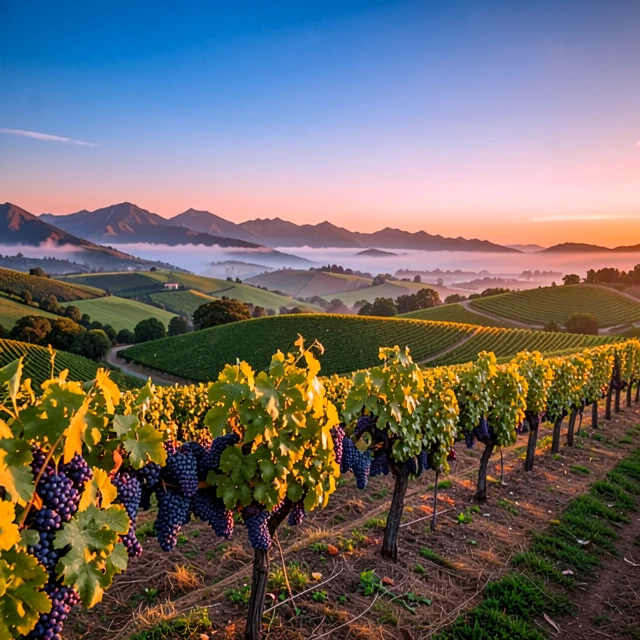
Discover Napa Valley: A Wine Lover’s Paradise – this phrase captures the magic perfectly. The valley's rolling hills, volcanic soils, and cool fog create ideal conditions for growing grapes that produce elegant, balanced wines.
The story begins in the early 1800s. Spanish missionaries first brought grapevines to California in the late 1700s, but Napa's potential emerged later. In 1839, George Calvert Yount planted the first vines in what became Yountville. He saw the area's fertile land and Mediterranean climate as perfect for viticulture.
By the 1850s, more settlers arrived. John Patchett established Napa's first commercial vineyard around 1854 and produced wine by 1857. His success drew attention. Then, in 1861, Charles Krug founded the valley's first commercial winery in St. Helena. Krug's leadership sparked rapid growth. By the late 1880s, over 140 wineries operated, including legends like Schramsberg (1862), Beringer (1876), and Inglenook (1879).
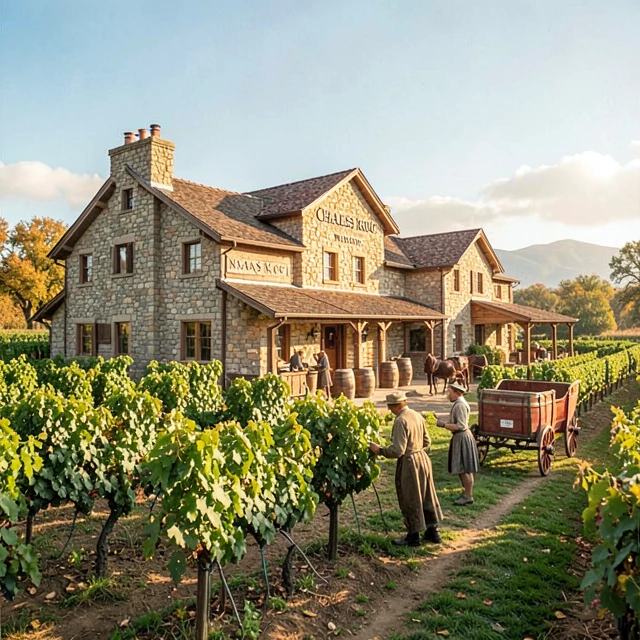
These early winemakers imported vitis vinifera varieties from Europe. They experimented and won awards at international fairs. Napa wines gained a reputation for quality.
Challenges hit hard in the late 1800s and early 1900s. Phylloxera, a root-destroying pest, devastated vineyards in the 1890s, wiping out much of the acreage. Economic downturns added pressure.
Prohibition in 1920 delivered the biggest blow. Most wineries closed. A few survived by making sacramental or medicinal wines. The industry shrank dramatically.
Recovery started slowly after Prohibition ended in 1933. Visionaries like André Tchelistcheff at Beaulieu Vineyard introduced modern techniques, such as cold fermentation and small French oak barrels. These innovations improved quality.
The real turning point came in the 1960s and 1970s. New wineries opened. Robert Mondavi founded his namesake winery in 1966, focusing on premium wines and public tastings. The number of wineries grew steadily.
Then, in 1976, the Judgment of Paris changed everything. In a blind tasting, Napa wines beat top French ones. Chateau Montelena's Chardonnay took white wine honors, and Stag's Leap Wine Cellars' Cabernet Sauvignon won the red category. This victory put Napa on the world map. It proved California could produce wines rivaling Europe's best.
Since then, Napa has boomed. It became the first American Viticultural Area (AVA) in 1981. Today, it features 16 sub-AVAs, each with unique terroir. Stags Leap District excels in Cabernet, while Howell Mountain produces bold mountain reds.
Exploring the Best of California Wines often leads people straight to Napa. The region's focus on quality over quantity sets it apart. Small yields and careful farming yield concentrated flavors.
For visitors, wine tasting here offers something for everyone.
A Guide to Wine Tasting: Tips for Beginners and Experts Alike
- Start with a plan: Choose 3-5 wineries per day to avoid rushing.
- Taste in order: Begin with whites, move to reds.
- Use all your senses: Swirl, smell, sip, and note flavors like black cherry, cassis, or oak.
- Spit if needed: Especially when tasting many wines.
- Ask questions: Winemakers love sharing stories.
- Pace yourself: Drink water and eat light snacks.
Beginners might enjoy approachable spots with casual vibes. Experts seek small-production gems or library vintages.
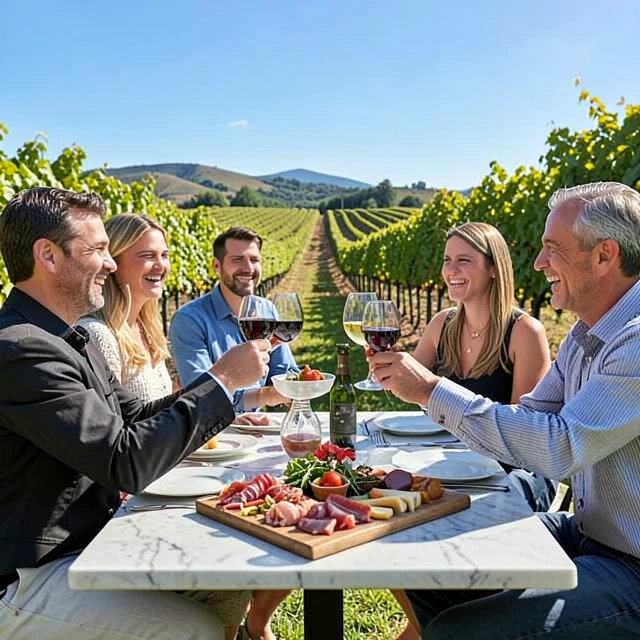
Personal insight: I recall my first visit standing in a vineyard at sunset, glass in hand. The air carried ripe fruit and earth. That moment made the history feel alive. Napa isn't just about wine; it's about connection to land and people.
Family-owned operations drive much of the scene. Special editions by Jackson Family Wines highlight this commitment. Their portfolio includes premium Napa labels like Lokoya and Mt. Brave, which release limited bottlings showcasing specific mountain sites. These special editions often feature small-lot, high-elevation Cabernet Sauvignon with intense structure and aging potential. They reflect the family's dedication to excellence and innovation across generations.
Napa's success comes from resilience. Pioneers overcame phylloxera and Prohibition. Modern vintners push sustainable practices and climate adaptation.
Today, over 400 wineries welcome visitors. The valley produces just 4% of California's wine but sets the standard for premium quality.
In summary, The History of Winemaking in Napa Valley shows how vision, hard work, and a special place on earth create extraordinary results. From Yount's first vines to global recognition, Napa remains a beacon for wine lovers everywhere.