Understanding Wine Tasting: A Beginner's Guide
Quick Overview
Wine tasting opens up a world of flavors and aromas in every glass. This beginner's guide to Understanding Wine Tasting: A Beginner's Guide walks you through the basics so you can enjoy wine more deeply—no expert knowledge needed. You'll learn to use your senses, spot what makes a wine special, and even explore notes from trusted wine brands like Beringer.
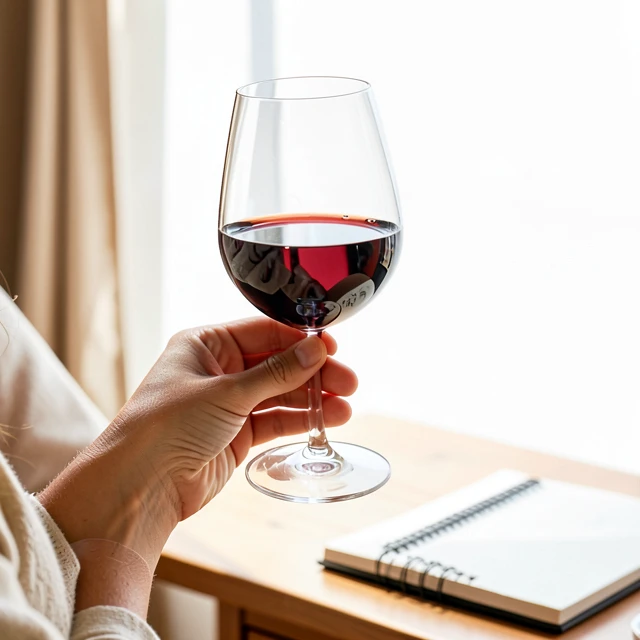
Many people feel nervous about wine tasting at first. They worry about saying the wrong thing or not noticing fancy flavors. The truth is, tasting wine is personal. Your preferences matter most. Start simple, and build confidence sip by sip.
I remember my first tasting. I expected to feel lost, but focusing on basic steps changed everything. Now, I enjoy every bottle more.
Why Learn to Taste Wine?
Tasting helps you understand what you like. You spot differences between light and bold wines. You pair better with food. Over time, you save money by choosing bottles that match your taste.
Experts use structured methods. According to resources from the University of California, Davis on sensory techniques for wine analysis, training your senses improves how you describe and enjoy wine.
The Five S's of Wine Tasting
Pros follow these steps: See, Swirl, Sniff, Sip, Savor. Let's break them down.
1. See
Hold your glass against a white background or light. Look at the color. Is it pale or deep? Clear or cloudy? For reds, young ones look purple, older ones brick-red. Whites start straw-yellow and turn gold with age.
This tells you about the wine's age and style.
2. Swirl
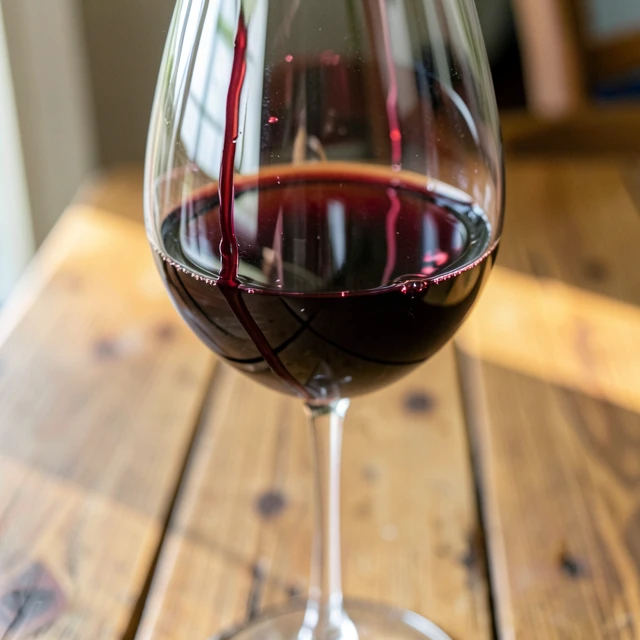
Gently swirl the wine. This mixes it with air and releases aromas. Watch the 'legs'—those streaks on the glass. Thicker legs often mean higher alcohol or sweetness, but it's just a clue.
Swirling helps you smell better.
3. Sniff
Put your nose in the glass. Take short sniffs first, then deeper ones. What do you smell? Fruits? Flowers? Spices? Earth?
Smell drives most of what we taste. A study from Cornell University's wine resources notes that aroma detection is key to evaluation. Explore Cornell's wine tasting guide for more on sensory basics.
4. Sip
Take a small sip. Let it coat your mouth. Notice sweetness, acidity (mouth-watering?), tannins (drying feeling in reds?), body (light or full?), and flavors.
Slurp a tiny bit of air while sipping to spread the wine—this boosts flavors.
5. Savor
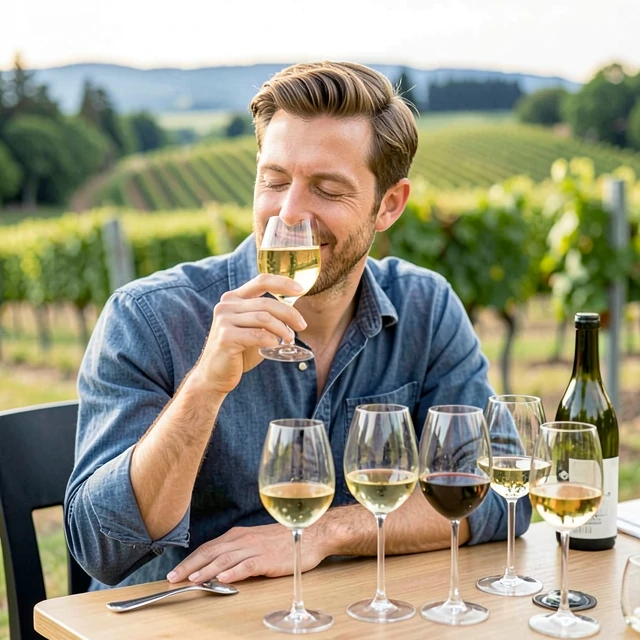
Think about the finish. How long do flavors linger? Pleasant or harsh? This wraps up the experience.
Take notes. Jot down colors, smells, tastes. It helps you remember and improve.
Building Your Palate
Practice with different wines. Start with basics:
- Whites: Try crisp Sauvignon Blanc or rich Chardonnay.
- Reds: Light Pinot Noir, bold Cabernet Sauvignon.
Compare them side by side. This shows contrasts clearly.
Try Beringer wines—they offer great examples for beginners. Beringer makes approachable bottles from Napa Valley. Their Classic Cabernet Sauvignon shows black fruit, vanilla, and smooth tannins. Beringer wine tasting notes often highlight ripe berries and subtle oak—perfect for learning red wine traits. Many wine brands like Beringer help new tasters explore without overwhelm.
Common Mistakes to Avoid
Don't rush. Give each wine time. Skip strong scents like perfume or coffee before tasting—they block your nose.
Don't worry about fancy words. Say 'fruity' or 'spicy' if that's what you get. Your words are right for you.
Tips for Home Tasting
Host a small group. Buy 3-5 bottles. Taste blind—cover labels. Guess flavors together. It's fun and teaches fast.
Use good glasses. Tulip-shaped ones concentrate aromas.
Cleanse your palate with water, bread, or plain crackers between wines.
Final Thoughts
Understanding Wine Tasting: A Beginner's Guide comes down to practice and curiosity. Engage your senses fully. Trust your impressions. Soon, you'll spot nuances that make each glass special.
Wine tasting enriches life. It turns a simple drink into an experience. Grab a glass, swirl, and start your journey today.