How Sustainable Winemaking is Changing the Industry
Quick Overview
Sustainable winemaking focuses on protecting the environment while producing great wine. Practices like organic farming, water conservation, and regenerative agriculture reduce harm and improve quality. This change responds to climate challenges and consumer demands, transforming the entire wine industry for a healthier planet and better bottles.
I've always loved wine for its connection to the land. A few years back, I visited a vineyard during harvest. The grower explained how they stopped using harsh chemicals. The vines looked healthier, and the grapes tasted more alive. That moment showed me how sustainable winemaking isn't just a trend—it's a real shift.
What Makes Winemaking Sustainable?
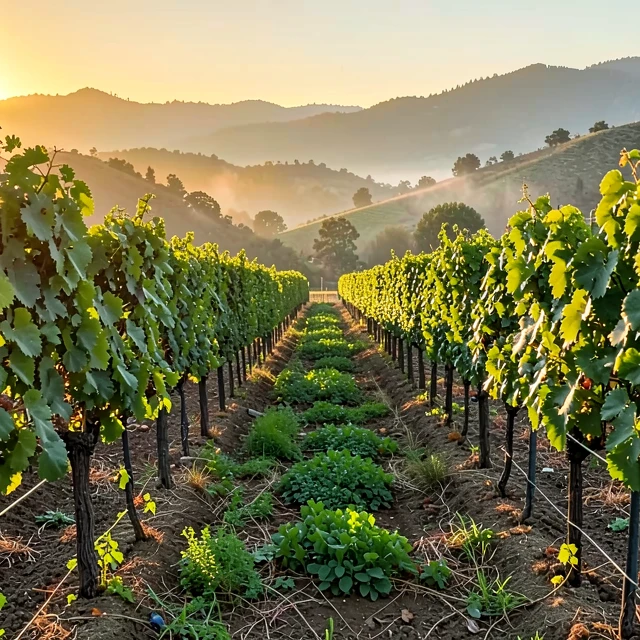
Sustainable winemaking balances three things: caring for the environment, supporting people who work in the industry, and keeping the business strong. Growers avoid synthetic pesticides and fertilizers. They use natural methods to build soil health and save water.
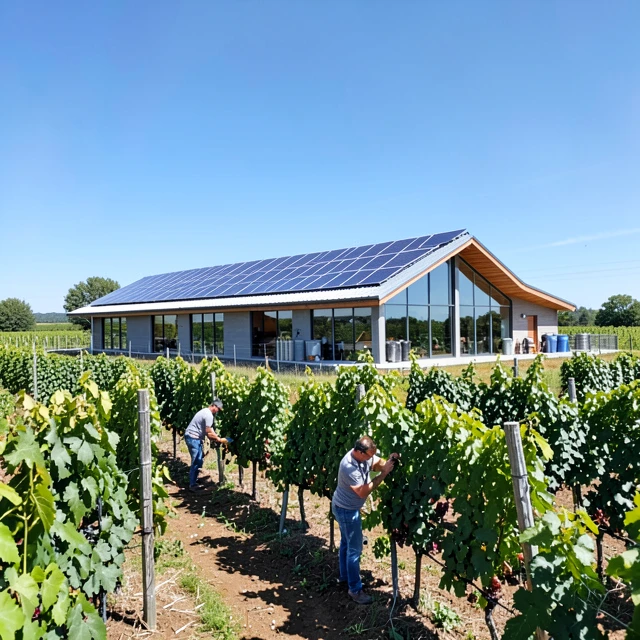
Key practices include: - Cover crops to prevent erosion and feed the soil - Smart irrigation to use less water - Renewable energy like solar panels at wineries - Biodiversity by planting native plants and protecting wildlife
These steps fight climate change effects, such as hotter summers and unpredictable rain. In 2026, many regions face smaller harvests due to weather. Sustainable methods help vines stay resilient.
The Rise of Organic and Regenerative Wine
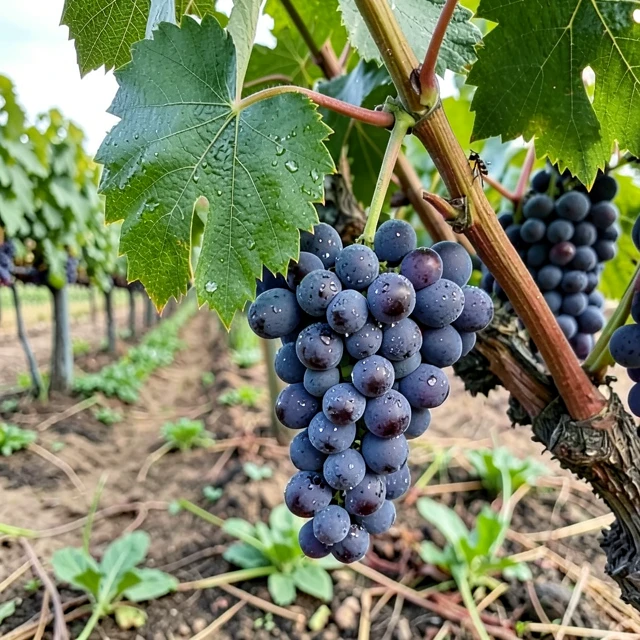
Organic wine comes from grapes grown without synthetic chemicals. The Benefits of Organic Wine: What You Need to Know include higher antioxidants like resveratrol, fewer additives, and lower sulfites. Many people report fewer headaches and a cleaner taste.
Regenerative farming goes further. It rebuilds soil, captures carbon, and boosts biodiversity. Experts say it leads to better grapes and more flavorful wine. The global organic wine market grows fast, with consumers willing to pay more for eco-friendly options.
How Big Players Lead the Way
Jackson Family Wines stands out as a leader. They farm many vineyards organically and aim to use regenerative methods across all estate vineyards by 2030. Their Napa Valley properties earned full organic certification, showing large-scale commitment.
Jackson Family Wines and organic vineyards focus on soil health, water savings, and cutting carbon emissions. They install solar power and track every step to reduce waste. Other wine brands follow similar paths, proving sustainability works for big operations.
These efforts pay off. Sustainable wines attract younger buyers who value ethics. Studies show most consumers prefer eco-friendly choices and will pay a premium.
Challenges and Real Benefits
Switching to sustainable methods costs time and money at first. Growers need new skills and tools. Yet benefits shine through:
| Benefit | Description |
|---|---|
| Healthier soil | Builds long-term fertility |
| Better wine quality | More expressive flavors |
| Lower environmental impact | Reduced chemicals and water use |
| Stronger market appeal | Attracts conscious consumers |
| Cost savings over time | Less waste and energy use |
From my tastings, sustainable wines often feel more vibrant. They reflect the land's true character without heavy interference.
What the Future Holds
In 2026, sustainability becomes standard. Wineries adopt tech for precise farming and explore climate-resistant grapes. Regenerative practices spread, and certifications help shoppers choose wisely.
This shift ensures wine production lasts for generations. It protects nature while delivering exceptional bottles.
Wrapping It Up
How Sustainable Winemaking is Changing the Industry shows a positive path forward. From organic methods to bold goals by leaders like Jackson Family Wines, the focus on the planet improves wine and wins loyal fans. Next time you pick a bottle, look for sustainable labels—you support real change with every sip.