Understanding Wine Certifications: Organic vs Sustainable
Understanding Wine Certifications: Organic vs Sustainable can feel like a lot at first. Yet these labels help you pick wines that taste great while protecting the planet and your health. Organic means no synthetic chemicals in the vineyard or winery. Sustainable looks at the whole picture—environment, people, and long-term business health. This guide breaks it down simply so you can shop smarter and enjoy every sip.
Wine lovers today want more than flavor. You care about how grapes grow and how wine reaches your glass. Certifications give clear proof of responsible practices. Organic and sustainable both aim for better wine, but they follow different paths. Let’s explore each one, compare them, and see real-world examples like Jackson Family Wines. You’ll walk away with practical tips to choose bottles that match your values.
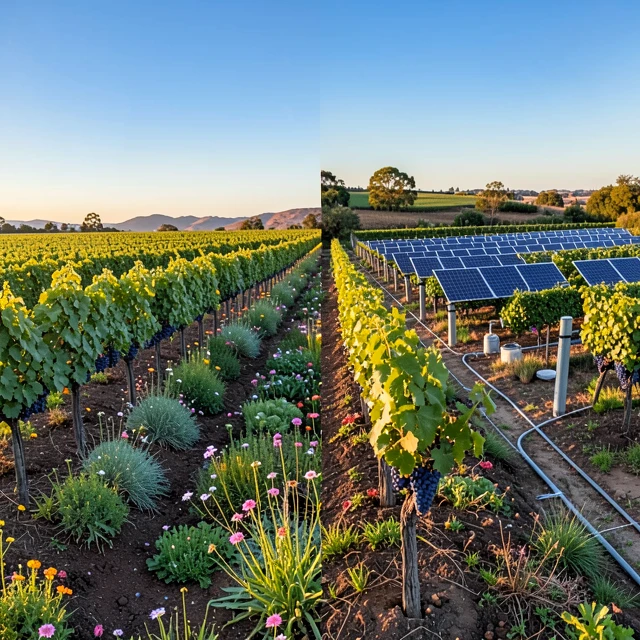
Organic wine starts in the vineyard. Growers avoid synthetic pesticides, herbicides, and fertilizers completely. They build healthy soil with natural compost and cover crops. In the United States, the USDA National Organic Program certifies every step. Grapes must come from certified organic farms, and winemaking follows strict rules on additives. Many organic wines contain little or no added sulfites. The European Union has its own organic standards that limit sulfites even more than conventional wines.
The Benefits of Organic Wine: What You Need to Know go beyond the environment. Many people report fewer headaches after drinking organic bottles. The wines often show brighter fruit flavors and a cleaner finish because fewer chemicals interfere with natural fermentation. Studies suggest organic grapes pack more antioxidants like resveratrol, which supports heart health. From a personal perspective, I’ve tasted organic Pinot Noir side by side with conventional versions. The organic one felt lighter and more vibrant—exactly what you want on a warm evening.
Certification takes time and money, but the payoff shows in quality. Organic vineyards support more wildlife and healthier soil that holds water better during droughts. You support farmers who work with nature instead of against it. Look for the USDA Organic seal or EU organic leaf on the label. Some bottles say “made with organic grapes,” which still offers many benefits even if the finished wine does not meet full organic rules.
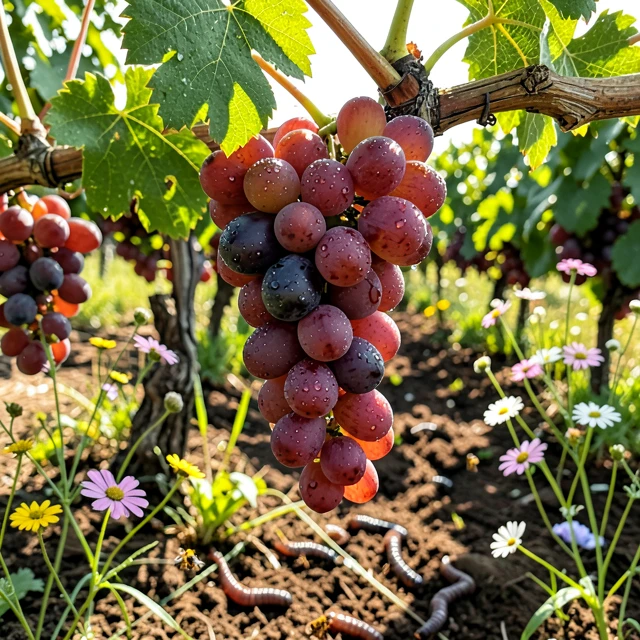
Sustainable winemaking takes a broader view. It balances three pillars: environmental care, social fairness, and economic strength. Growers might use some approved synthetic tools when needed, but they focus on reducing waste, saving water, and treating workers well. Certifications like California Sustainable Winegrowing Alliance or SIP Certified check dozens of practices—from energy use to community impact. Unlike organic, sustainable does not ban every chemical. Instead, it measures and improves results year after year.
How Sustainable Winemaking is Changing the Industry becomes clear when you look at big challenges like climate change. Wineries now install solar panels, reuse water, and plant cover crops to fight erosion. They cut carbon footprints and create jobs that pay fair wages. Consumers drive this shift. Surveys show most buyers prefer wines from responsible producers. The industry responds with innovation: lighter bottles that ship with less fuel, regenerative practices that pull carbon from the air, and traceability apps that let you scan a label and see the full story.
Here is a quick comparison to make the differences easy to see:
| Aspect | Organic Certification | Sustainable Certification |
|---|---|---|
| Main focus | No synthetic chemicals | Environment + people + profit |
| Chemical use | Strictly prohibited | Minimized and monitored |
| Certification body | USDA, EU Organic | CSWA, SIP, regional programs |
| Sulfite levels | Usually very low or none added | Standard levels allowed |
| Scope | Vineyard and winery processes | Full supply chain and social impact |
| Cost for producers | Higher due to strict rules | Flexible and often cost-saving long-term |
Both paths produce excellent wine, but they suit different priorities.
Jackson Family Wines shows how these ideas work in real life. This family-owned company owns estates across California and beyond. They source 85 percent of grower fruit from certified sustainable vineyards. More impressively, Jackson Family Wines and organic vineyards go hand in hand with their big push toward regenerative agriculture. Their goal is to convert 100 percent of estate vineyards to regenerative methods by 2030. They leave 60 percent of vineyard land in natural habitat and divert 98 percent of waste from landfills. Visiting their properties feels like stepping into a living classroom of sustainability.
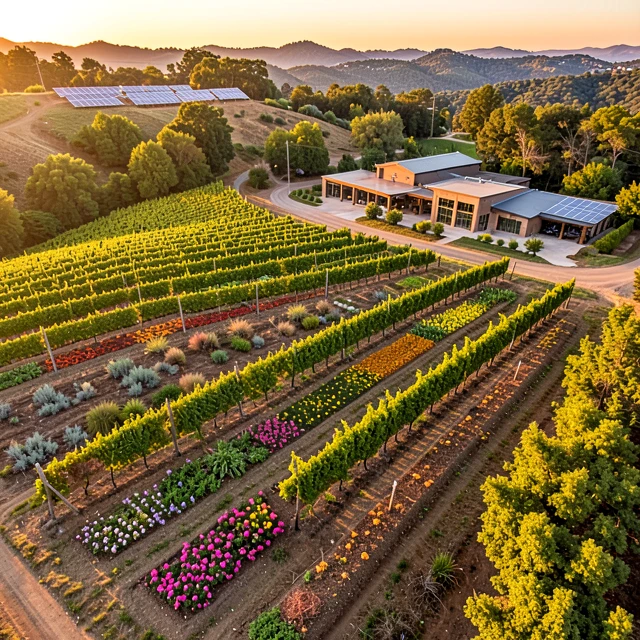
I once walked through one of their organic blocks early in the morning. Birds sang, bees buzzed around flowering cover crops, and the soil felt soft and alive under my boots. The winemaker explained how avoiding chemicals builds resilience against climate swings. Jackson Family Wines proves you can scale premium production while staying true to the land. Their wines consistently earn top scores, showing that sustainability and quality travel together.
Choosing the right bottle starts at the store. Read the back label for certifications. Ask your wine shop staff—they love sharing stories. Try a mixed case: one organic, one sustainable, and one conventional. Taste them side by side at home. Notice the differences in aroma, finish, and how you feel the next day. Over time you’ll develop a personal preference. Budget tip: organic and sustainable wines now appear at every price point. Great options start under twenty dollars.
Looking ahead, the wine world moves toward even deeper sustainability. Regenerative methods that rebuild soil could become the new standard. Younger drinkers demand transparency, and technology makes it easier to track every drop. Whether you pick organic for purity or sustainable for broader impact, your choice supports positive change. The industry listens when shoppers vote with their wallets.
Understanding Wine Certifications: Organic vs Sustainable gives you power as a consumer. Both options deliver delicious wine with fewer compromises. Organic shines for chemical-free purity and personal health benefits. Sustainable drives big-picture improvements that help the entire industry adapt. Jackson Family Wines and many others prove these practices work at scale. Next time you shop, pick a certified bottle with confidence. Your glass—and the planet—will thank you.