Sustainable Winegrowing: Practices and Benefits – How Jackson Family Wines Leads the Way
Sustainable winegrowing: practices and benefits go hand in hand for a brighter future in winemaking. This approach helps vineyards thrive while cutting waste and protecting nature. Wine lovers get tastier bottles, and the planet wins too.
In simple terms, sustainable winegrowing means growing grapes and making wine in ways that respect the land, support workers, and stay profitable for years to come. It is not just a trend. Real farmers and winemakers use these methods every day to create high-quality results.
What Does Sustainable Winegrowing Actually Mean?
Sustainable winegrowing balances three big goals: caring for the environment, treating people fairly, and keeping the business strong. Growers avoid harsh chemicals. They save water and energy. They build healthy soil that lasts for generations.
Programs like California Sustainable Winegrowing guide many wineries. These rules cover everything from soil health to community support. The result? Grapes that reflect their true flavors, or terroir, without harming the earth.
Core Practices That Make Winegrowing Sustainable
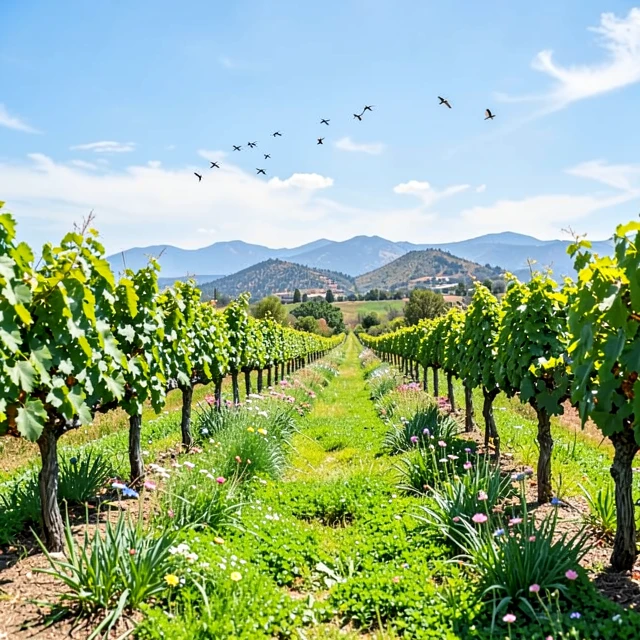
Farmers start with the soil. They plant cover crops like clover or grasses between vine rows. These plants stop erosion, add nutrients, and attract helpful insects.
No-till farming is another key step. Instead of turning the soil over every year, growers leave it mostly untouched. This keeps carbon locked in the ground and protects tiny organisms that make soil rich.
Water use drops dramatically with drip irrigation systems. Sensors check soil moisture so vines get exactly what they need. Some wineries even recycle water from the winery itself.
Pest control shifts to natural methods. Beneficial insects and birds handle bugs instead of sprays. Compost and natural fertilizers feed the vines without synthetic chemicals.
Energy comes from the sun. Many vineyards install solar panels to power pumps and lights. Waste gets sorted and turned into useful products rather than landfill trash.
Here is a quick look at common practices:
| Practice | How It Works | Quick Benefit |
|---|---|---|
| Cover Crops | Plants grown between vines | Improves soil and cuts weeds |
| Drip Irrigation | Precise water delivery | Saves up to 50% water |
| Regenerative Farming | No-till plus biodiversity | Builds healthier soil |
| Solar Energy | On-site panels | Lowers carbon footprint |
The Real Benefits You Can Taste and See
Sustainable methods create better grapes. Healthier soil means vines pull more nutrients and minerals. The wines taste more complex with brighter fruit and deeper flavors.
The environment wins big. Carbon emissions drop. Water stays cleaner. Wildlife returns because habitats stay intact. One study from the Wine Institute shows these changes protect air, water, and local ecosystems.
Workers benefit too. Safer conditions and fair pay build stronger communities. Economically, farms save money over time on chemicals and water. Customers feel good supporting brands that care.
Wine quality often rises. Many tasters notice the difference in blind tests. The grapes express their unique place in the world more clearly.
Jackson Family Wines: A Leader Among Wine Brands
Jackson Family Wines shows what sustainable winegrowing looks like in action. Their Rooted for Good plan sets bold goals through 2030. They aim to cut carbon emissions in half and move every estate vineyard to regenerative farming.
The company already powers more than 30 percent of operations with onsite solar – the largest array of any U.S. winery. They source 85 percent of grower fruit from certified sustainable vineyards.
You can taste the results in their best wines from Jackson Family Wines. Kendall-Jackson Vintner’s Reserve Chardonnay comes from carefully tended vines and delivers fresh apple and citrus notes. La Crema Sonoma Coast Pinot Noir offers elegant cherry and spice from sustainable Oregon vineyards.
Other standout bottles include Freemark Abbey Napa Valley Cabernet Sauvignon and Cambria Katherine’s Vineyard Chardonnay. These wines prove that caring for the land creates exceptional bottles that wine lovers seek out.
Jackson Family Wines also cofounded International Wineries for Climate Action. Their efforts go beyond their own estates to help the whole industry move forward.

Personal Insights from the Vineyard
I have walked through these vineyards myself. The difference is striking. Traditional fields sometimes feel quiet and bare. Sustainable ones buzz with life – bees, birds, and healthy plants everywhere.
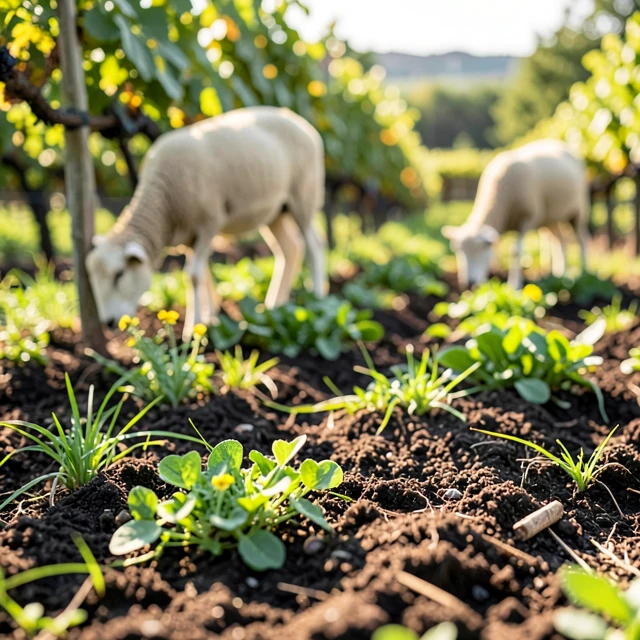
One visit to a regenerative site showed me sheep calmly grazing between vines. No heavy machinery tearing up soil. The winemaker explained how this natural approach builds resilience against drought and heat.
Tasting the wines afterward confirmed it. The flavors felt alive and true to the place. You notice layers you might miss in conventionally grown bottles.
These practices are practical too. Farmers told me they save money long-term while producing grapes they are proud to share. It feels like the right way forward for everyone who loves wine.
Why Sustainable Winegrowing Matters Right Now
Climate change hits vineyards hard with hotter summers and unpredictable rain. Sustainable methods help vines adapt and stay productive for decades.
Consumers want to know where their wine comes from. More people choose bottles from responsible wine brands. Supporting sustainable winegrowing lets you enjoy great wine while helping the planet.
Start small at home. Look for certifications on labels. Ask your local shop about sustainable options. Every choice adds up.
Wrapping Up the Sustainable Wine Story
Sustainable winegrowing: practices and benefits deliver real results. From healthier soil to tastier glasses, the rewards touch everyone. Wine brands like Jackson Family Wines prove you can create world-class wines while protecting the land.
The next time you pour a glass, think about the journey. Choose sustainably grown options when you can. Your support helps keep these positive changes growing strong for future wine lovers.