Beginner's Guide to Wine Tasting at Home: Master the Basics with Ease
Quick Overview
Wine tasting at home lets anyone explore flavors without fancy events or big costs. Follow simple steps to notice colors, smells, and tastes. Start small, practice often, and soon you spot differences in wine brands and styles. This guide walks you through everything a beginner needs for fun, rewarding sessions.
Why Taste Wine at Home?
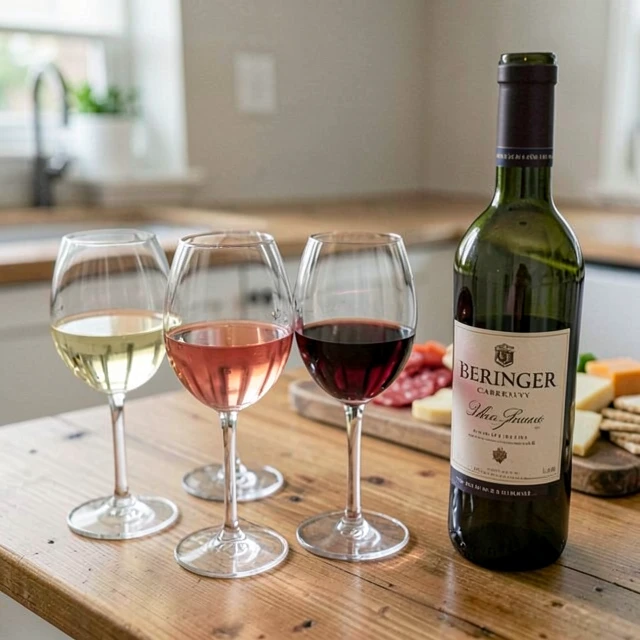
Tasting wine sharpens your senses and deepens enjoyment. You control the pace, try new wine brands, and share with friends or family. No pressure exists like at a winery. Home sessions build confidence over time.
Many start with curiosity about flavors. I remember my first home tasting felt awkward, but after a few tries, I noticed fruity notes in one glass and earthy hints in another. That moment hooked me.
What You Need to Get Started
Keep it simple. Gather these basics:
- Clear wine glasses – tulip-shaped works best to hold aromas.
- Wine opener and foil cutter.
- Neutral palate cleansers – water, plain bread, or crackers.
- Notebook – jot down thoughts.
- 3–6 bottles – mix whites, rosés, reds for comparison.
Avoid scented candles or strong food smells. They hide wine aromas.
The 5 S's of Wine Tasting
Pros use this method. Follow these steps every time:
-
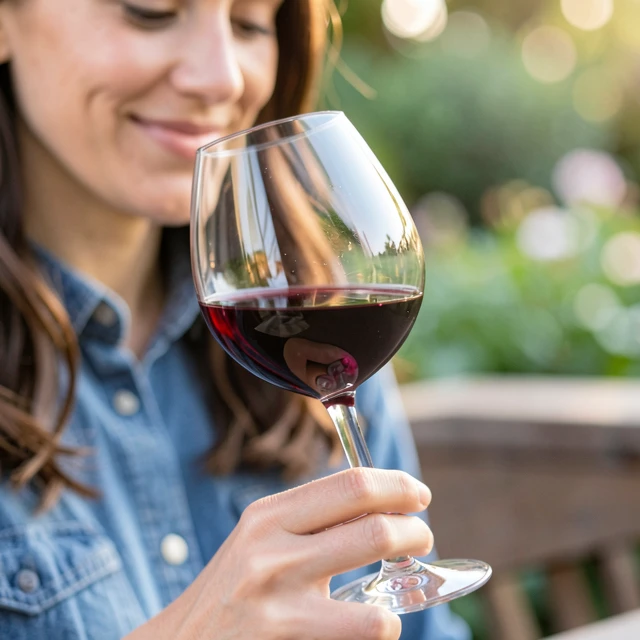
See – Hold the glass against a white background. Check color and clarity. Young whites look pale; aged ones turn golden. Reds start purple and age to brick.
-
Swirl – Gently swirl to release aromas. Watch legs (tears) run down the glass. Slow legs suggest higher alcohol or sweetness.
-
Sniff – Stick your nose in and take short sniffs. Identify fruits, flowers, spices, or oak.
-
Sip – Take a small sip. Let it coat your mouth. Notice sweetness, acidity, tannins (dry feeling), body (light or full), and alcohol warmth.
-
Savor – Swallow or spit (if tasting many). Think about finish length and aftertaste.
Practice makes this natural. Start slow.
How to Set Up Your Home Tasting
Plan for 4–6 wines to avoid overload. Pour 2–3 ounces per glass. Taste lightest to heaviest: whites first, then rosé, light reds, full reds.
Serve at right temperatures: - Whites and rosé: 45–55°F (fridge 20–30 min). - Reds: 60–65°F (cool room temp).
Add palate cleansers between wines. Water works great. Keep a dump bucket handy if you don't finish every pour.
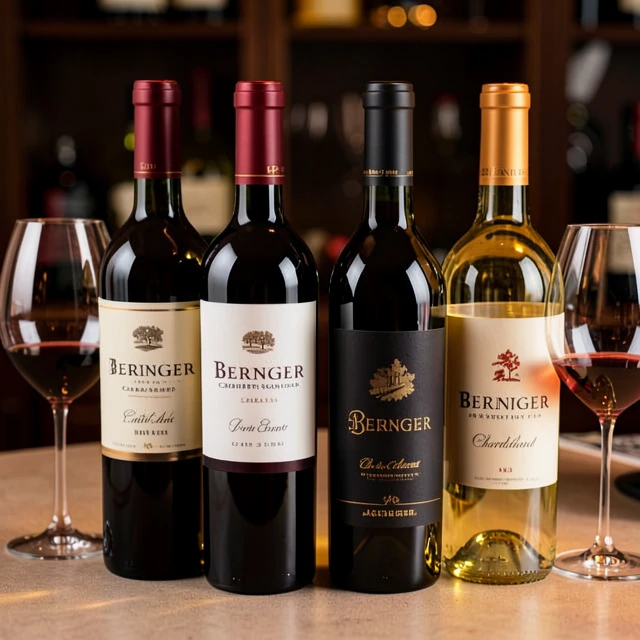
Theme it for fun: all Beringer wines, or California vs. others.
Choosing Wines for Beginners
Start with approachable wine brands. Look for balanced, fruit-forward options.
Good starters: - White: Chardonnay or Sauvignon Blanc. - Red: Pinot Noir or Merlot.
Beringer stands out as a reliable choice. This historic Napa Valley brand offers quality at fair prices. Beginners love their easy-drinking styles.
Try Beringer Founders' Estate Cabernet Sauvignon – it shows black cherry, raspberry, vanilla, and soft cinnamon spice. The round mouthfeel makes it forgiving for new tasters.
Diving into Beringer Wine Tasting Notes
Beringer helps beginners learn Napa flavors. Here are key examples:
-
Beringer Knights Valley Cabernet Sauvignon: Aromas of red currants, lavender, thyme. Palate brings plush tannins, balanced acidity, dark fruit.
-
Beringer Private Reserve Cabernet Sauvignon: Complex black fruit, cocoa, graphite, espresso, vanilla. Ripe tannins give structure.
-
Beringer Chardonnay: Often golden with tropical pineapple, lemon, vanilla from oak.
These notes train your nose and palate. Compare them side-by-side at home. Notice how oak adds spice or vanilla.
Common Mistakes to Avoid
- Over-swirling – gentle is enough.
- Drinking too fast – take time between sips.
- Ignoring temperature – warm whites lose freshness.
- Not cleansing your palate – flavors blend together.
Start with one wine per night if overwhelmed. Build up slowly.
Tips to Improve Your Palate
- Taste blind – cover labels for unbiased views.
- Compare similar wines – two Chardonnays show differences.
- Eat neutral foods – cheese or fruit enhances flavors.
- Keep notes – track what you like over time.
I found blind tasting revealed preferences I didn't know I had. One Beringer red surprised me with its smoothness compared to others.
Final Thoughts
Wine tasting at home brings joy and discovery. Follow the steps, choose approachable wines like Beringer, and practice regularly. Soon you notice subtle flavors and enjoy every glass more. Start small tonight – one bottle, one glass, one curious sip. Cheers to your wine journey!