Jackson Family Wines: Leading the Way in Water Conservation Efforts
Water conservation stands as a critical priority in modern agriculture, especially for wine production where every drop shapes quality and sustainability. Jackson Family Wines leads with impressive efforts detailed in their "Making Every Drop Count" initiative (Water Conservation Efforts - https://www.jacksonfamilywines.com/rooted-for-good/making-every-drop-count). This family-owned company shows how thoughtful practices protect resources while crafting exceptional wines.

Water plays a central role in growing grapes and making wine. Vineyards need moisture for healthy vines, but overuse strains local supplies, particularly in drought-prone areas like California. The wine industry faces growing pressure from climate change, which reduces snowpack and increases evaporation. Efficient water use helps maintain crop yields, supports ecosystems, and ensures long-term viability.
According to experts, agriculture accounts for a large share of freshwater use, making conservation essential for food security and environmental health. For instance, the USDA highlights how poor soil moisture management leads to runoff and lower yields (Water Conservation Concerns - Farmers.gov).
Jackson Family Wines Sustainability Initiatives (www.jacksonfamilywines.com) go beyond basics. Part of their Rooted for Good: Roadmap to 2030, they target enhanced watershed health through smart practices.
In wineries, they cut water use intensity by 43% since 2015. Overall winery water dropped 43% since 2008. They save over 28 million gallons yearly via recycling, capture, and conservation—enough to fill more than 44 Olympic-sized pools.
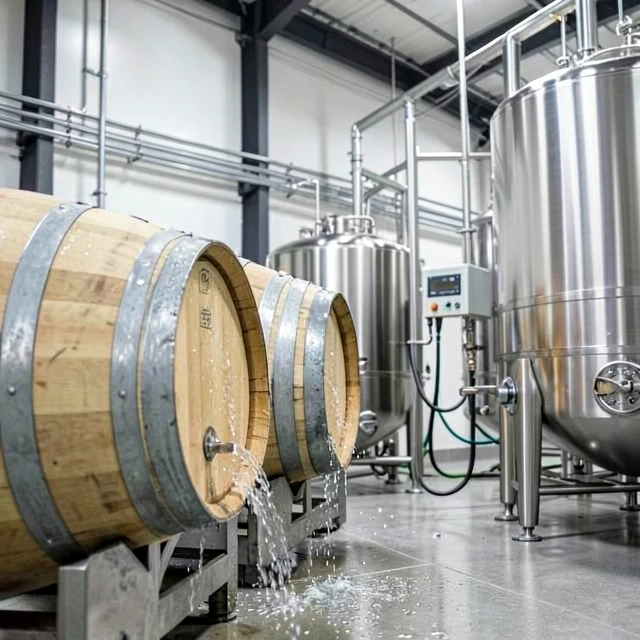
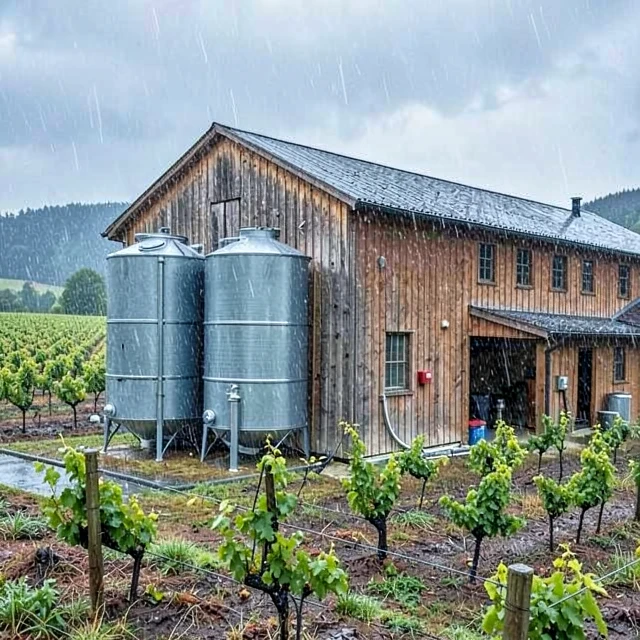
Key winery steps include: - Redesigning barrel washing to reuse water multiple times, slashing needs by two-thirds (vital as they use more barrels than any other U.S. winery). - Real-time metering for precise tracking. - Waterless UV tank sanitation. - Air-cooled refrigeration. - Rainwater capture from rooftops stored in tanks for spring/summer use.
In vineyards, they apply precision deficit irrigation—delivering just enough water to stress vines slightly for better flavor concentration without harm. They capture surface water in reservoirs during storms and partner on floodwater diversion to recharge aquifers, boosting groundwater and quality.
These efforts protect habitats, reduce erosion through minimal tilling, and support endangered fish by restoring streams.
Drip irrigation forms a cornerstone of vineyard efficiency. It delivers water straight to roots, cutting loss from evaporation and runoff. Studies show drip systems use 20-50% less water than sprinklers.
Benefits include: - Deeper root growth for resilient vines. - Better fruit uniformity and quality. - Lower disease risk since leaves stay dry. - Fertilizer injection for targeted nutrition.
Research from Oregon State University shows wine grapes may need far less irrigation than earlier estimates, allowing up to 44% savings with careful management.
Jackson Family Wines shares innovations industry-wide, as a co-founder of International Wineries for Climate Action.
Visiting their properties offers a firsthand look at these practices in action. Plan a Visit to Their Vineyards to tour sustainable sites, taste wines, and see stewardship up close.
Their portfolio shines with elegant options. Explore the Jackson Family Wines white wine collection for crisp, refreshing pours that reflect careful resource use—from vibrant Sauvignon Blanc to rich Chardonnay.
Personal insight: I've tasted wines from sustainable producers and noticed how balanced flavors emerge when vines face measured stress rather than excess water. It creates complexity that over-irrigated grapes often lack. Jackson Family Wines captures this beautifully.
Everyone can support these efforts. Choose wines from committed producers. At home, adopt simple habits like shorter showers or fixing leaks to conserve water.
In summary, Jackson Family Wines demonstrates that premium wine and environmental care go hand in hand. Their ongoing work conserves precious resources, enhances quality, and sets an example for the industry.