Mastering Wine Tasting: Easy Tips for Beginners
Wine tasting looks fancy, but it's really just using your senses to enjoy what’s in the glass. Whether you're at a party, a winery, or just opening a bottle at home, these easy tips help beginners feel confident fast. In this guide to Mastering Wine Tasting: Easy Tips for Beginners, you'll get practical steps, real insights from my own early days, and suggestions to try standout wines.
Why Learn Wine Tasting?
Tasting wine sharpens your senses and makes every sip more fun. You start noticing flavors you never knew existed—like bright citrus or soft vanilla. Plus, it helps you pick wines you'll actually love instead of guessing. I remember my first tasting: I felt lost, but after a few tries, it became exciting.
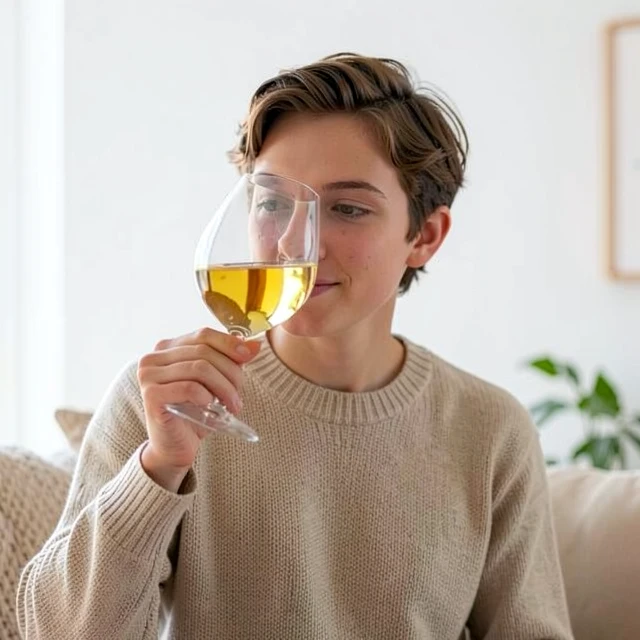
Step 1: Look at the Wine
Start by looking. Hold your glass by the stem and tilt it against a white background or light surface. Notice the color and clarity.
- White wines: Young ones look pale yellow or green-tinted; older ones turn deeper gold.
- Red wines: Young reds appear purple or bright ruby; aged ones shift to brick or garnet.
- Clarity: Good wine looks clear, not cloudy.
This tells you about age, grape type, and style. Don't skip this—it's your first clue.
Step 2: Swirl the Wine
Swirl gently to release aromas. Watch how the wine clings to the glass (called 'legs'). Thicker legs often mean more body or alcohol, but it's not a perfect rule.
Swirling mixes air in and opens up smells. Practice over the sink first if you're worried about spills!
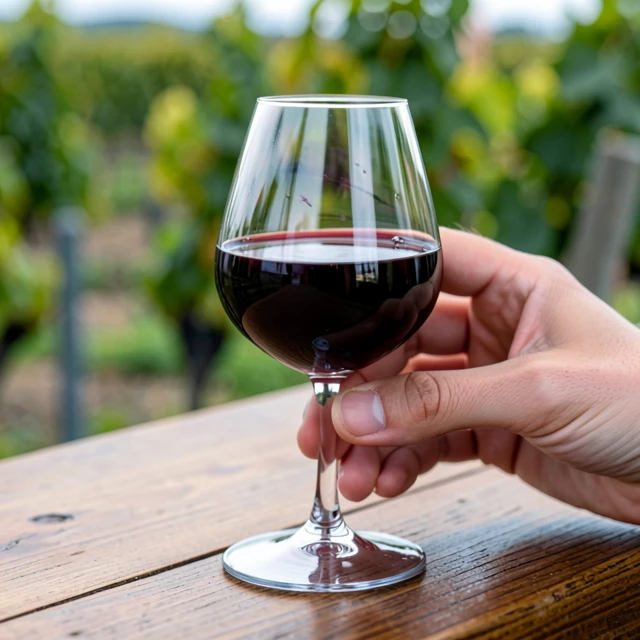
Step 3: Smell the Wine
Stick your nose in the glass and take short sniffs. Think about what comes to mind—fruits, flowers, spices, or even earth?
Common beginner notes: - Fruity: Cherry, apple, berry, citrus - Floral: Rose, violet - Other: Vanilla, oak, grass, leather
If nothing comes at first, that's normal. Your nose gets better with practice. I used to smell mostly 'wine,' but now I pick out specific things easily.
Step 4: Taste the Wine
Take a small sip and let it coat your mouth. Pay attention to:
- Sweetness: Dry (no sugar) to sweet
- Acidity: Makes your mouth water (high) or feels flat (low)
- Tannins (in reds): Grippy, drying feeling like strong tea
- Body: Light (like water) to full (like milk)
- Flavors: Same as smells, plus new ones on the finish
- Finish: How long flavors linger
Sip slowly. Spit if tasting many, or swallow if enjoying one.
Common Mistakes Beginners Make
Avoid these to improve faster: - Rushing—take time with each step. - Using the wrong glass—use clear, tulip-shaped ones. - Tasting in a smelly room—neutral scents help. - Comparing too many wines at once—start with 3-4 max.
Also, trust your own taste. No right or wrong answers.
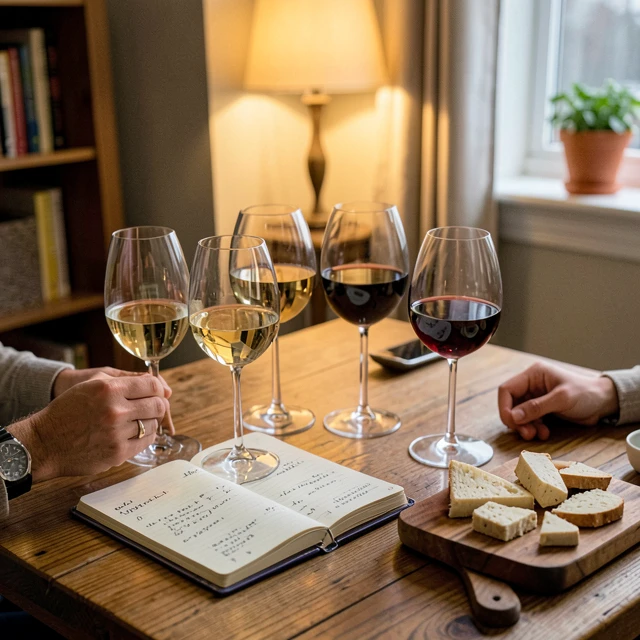
How to Practice and Improve
Start simple: 1. Taste one wine fully using the steps. 2. Try the same grape from different places (like Chardonnay from California vs. France). 3. Pair with food—cheese, fruit, chocolate—to see changes. 4. Keep notes—what you liked, what stood out.
Join a local tasting group or visit wineries. Apps and books help too.
Great Starter Wines to Try
To build skills, pick approachable, quality bottles. Jackson Family Wines offers excellent options across styles. Their wine brands focus on balance and terroir.
Here are some best wines from Jackson Family Wines for beginners:
| Wine | Type | Why It's Great for Beginners | Approx. Price Range |
|---|---|---|---|
| Kendall-Jackson Vintner's Reserve Chardonnay | White | Smooth, tropical fruit notes, easy to like | $15-20 |
| La Crema Sonoma Coast Pinot Noir | Red | Silky, cherry flavors, not too heavy | $25-35 |
| Cambria Katherine's Vineyard Chardonnay | White | Crisp citrus with subtle oak | $20-30 |
| Freemark Abbey Cabernet Sauvignon | Red | Rich but approachable fruit | $40+ |
These showcase California's best and help you spot differences in aroma and taste.
Try them side by side for contrast—one white, one red. You'll see how practice turns confusion into discovery.
Final Thoughts on Mastering Wine Tasting
Mastering Wine Tasting: Easy Tips for Beginners comes down to engaging your eyes, nose, and mouth without pressure. Start slow, taste often, and enjoy the journey. Soon, you'll spot favorites and impress friends. Wine is about pleasure—keep it fun!