A Beginner's Guide to Wine Tasting: Start Savoring Like a Pro
Quick Overview
Wine tasting doesn't require fancy knowledge or a big budget. This A Beginner's Guide to Wine Tasting walks you through the simple steps to enjoy wine fully. You'll use your eyes, nose, and mouth to notice colors, smells, and flavors. In about 20 minutes of practice, anyone can start tasting like someone who really gets it. Let's dive in and make your next glass more exciting.
Why Learn to Taste Wine?
Tasting wine goes beyond drinking. It helps you understand what you like. Maybe you enjoy crisp, fruity whites or bold, smooth reds. When you taste mindfully, you pick out subtle notes like berries, vanilla, or earth. This builds confidence when choosing bottles or ordering at restaurants.
I remember my first tasting event years ago. I felt lost among all the swirling glasses. But once I followed the basic steps, everything clicked. The wine suddenly had stories to tell.
The Five S's: Your Core Tasting Method
Experts use five simple actions: See, Swirl, Sniff, Sip, and Savor. Follow them in order every time.
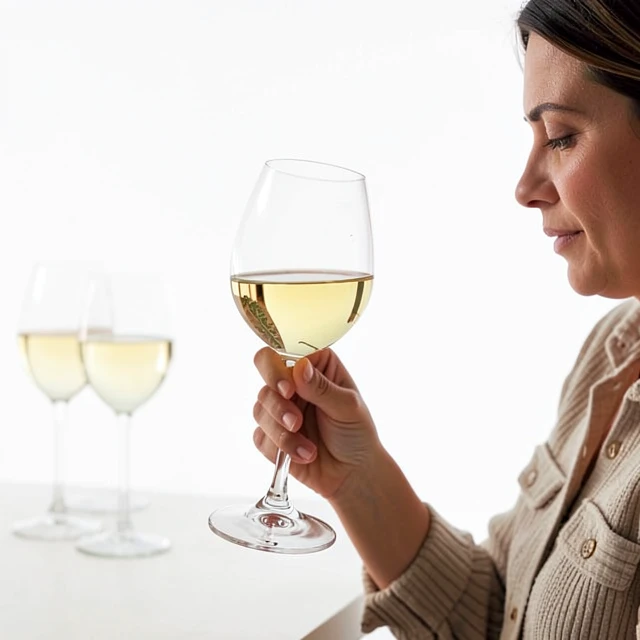
- See (Look at the wine) Hold your glass by the stem at a 45-degree angle against a white background or light. Notice the color and clarity.
- White wines range from pale straw to deep gold.
- Red wines go from light ruby to dark purple.
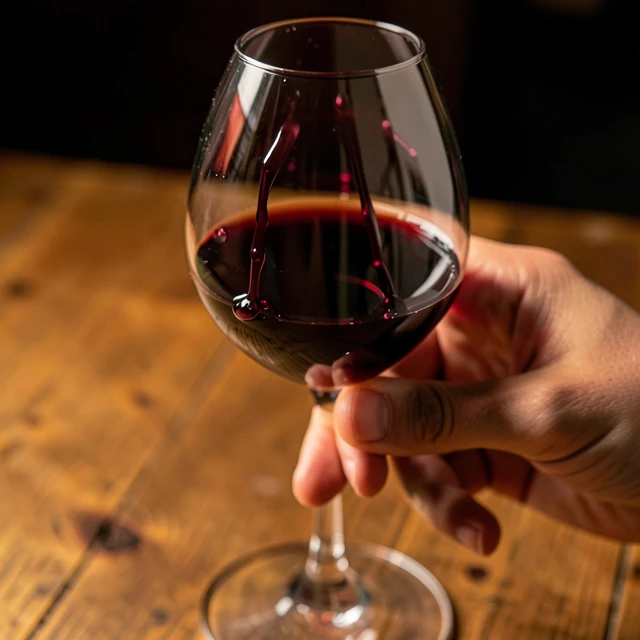
- Legs (or tears) that run down the glass show body and alcohol level—thicker legs often mean richer wine.
Clear wine usually tastes cleaner. Cloudiness can signal faults, though some natural wines look hazy on purpose.
- Swirl Gently swirl the wine in your glass. This mixes it with air and releases aromas. Don't overdo it—no need for dramatic spins that spill.
Swirling also shows legs better. Practice over a table at first. I spilled plenty early on, but it gets easy fast.
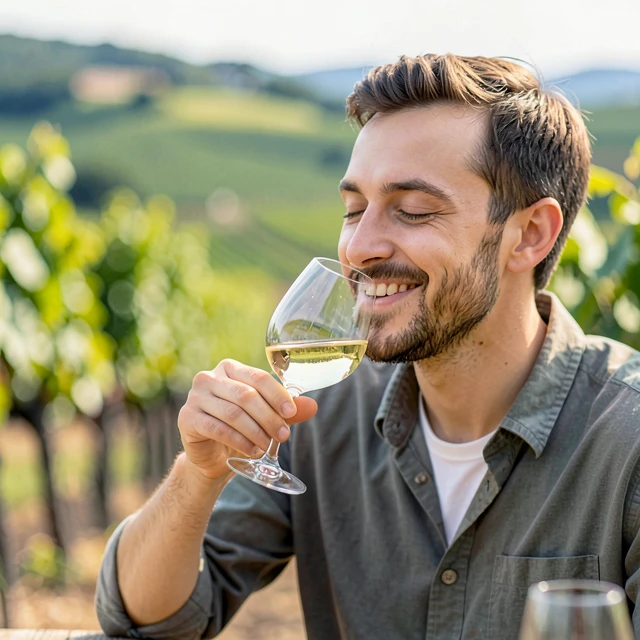
- Sniff Bring the glass to your nose. Take short sniffs first from a distance, then deeper ones.
Common aromas include: - Fruits (apple, cherry, citrus) - Flowers (rose, violet) - Spices (pepper, vanilla) - Earth (wet leaves, mushrooms) - Oak (from barrels: toast, butter)
Your first sniff captures the strongest scents. If nothing comes, try again after swirling more. Don't worry if descriptions feel hard at first—use simple words like 'fruity' or 'fresh'.
- Sip Take a small sip. Let it coat your mouth. Gently suck in a bit of air (like slurping soup) to spread flavors—this is called aerating.
Notice: - Sweetness (sugar level) - Acidity (mouth-watering zing) - Tannins (in reds: drying, grippy feel like strong tea) - Body (light like water or full like milk) - Alcohol warmth
Balance matters most. Great wine feels harmonious—not too sweet, sour, or bitter.
- Savor Swallow or spit (common at serious tastings). Think about the finish—how long flavors linger.
A short finish might mean simple wine. Long, pleasant finish signals quality.
Take notes on a phone or paper: color, key smells, tastes, and your overall like/dislike. Over time, patterns emerge.
Common Beginner Mistakes and How to Avoid Them
- Don't fill the glass too much—leave room to swirl (about one-third full).
- Skip strong foods, coffee, or perfume before tasting—they numb your senses.
- Taste in order: light whites first, then heavier reds, sweets last.
- Cleanse your palate with water, plain bread, or crackers between wines.
Start with 4-6 wines max per session to avoid fatigue.
Building Your Palate: Practice Tips
- Try one new wine each week. Compare similar styles (two Chardonnays side by side).
- Attend casual tastings at local shops or events.
- Use apps or charts for aroma wheels to train your nose.
Personal insight: I started with basic supermarket wines. After a few months, I noticed huge differences in quality. It turned into a fun hobby.
Great Starter Wines to Try
Begin with approachable, balanced options that showcase classic styles.
Whites - Kendall-Jackson Vintner's Reserve Chardonnay: Buttery yet crisp, perfect intro to California style. - Light Pinot Grigio or Sauvignon Blanc for fresh, zesty notes.
Reds - Pinot Noir: Soft tannins, red fruit flavors. - Merlot: Smooth and plush. - Cabernet Sauvignon blends for structure without overwhelming power.
Jackson Family Wines offers excellent entry points. Their wine brands like Kendall-Jackson and La Crema deliver consistent quality. Look for special editions by Jackson Family Wines—limited releases like collaborations or vineyard-specific bottles add excitement and let you try something unique without high cost.
These help build confidence fast.
Final Thoughts
Wine tasting rewards curiosity. Start simple, trust your senses, and enjoy the process. Each glass teaches something new. Soon you'll spot favorites and impress friends with your observations.
Grab a bottle, follow the five S's, and taste away. Cheers to your wine journey!