Sustainability in Winemaking: How Jackson Family Wines Leads the Way - www.joewadsack.com
Overview
Jackson Family Wines stands out as a true leader in sustainability in winemaking. This family-owned company combines tradition with forward-thinking actions to protect the land, reduce carbon emissions, and create exceptional wines. Their Rooted for Good plan shows a real commitment to making positive change in the wine world. (38 words)
Sustainability in winemaking matters more than ever. Climate change, water shortages, and soil health challenges affect vineyards everywhere. Winemakers must act now to keep producing great wine for years to come. Jackson Family Wines leads by example, showing that you can make high-quality wines while caring for the planet.
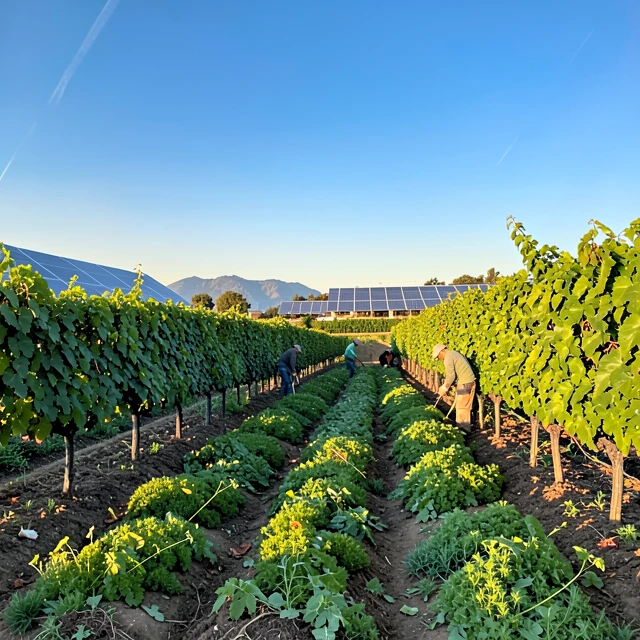
I remember my first visit to a Jackson Family Wines estate years ago. Walking through the rows of vines, I saw how they let cover crops grow wild between the rows. These plants build soil health and attract helpful insects. It felt different from conventional vineyards—more alive and balanced. That experience stuck with me and showed me the real impact of sustainable choices.
Jackson Family Wines started with a simple belief: take care of the land, and it will take care of you. Founder Jess Jackson planted his first vines in 1974, and that respect for nature still drives the company today. Now led by the next generation, including Katie Jackson as SVP of Corporate Social Responsibility, they push even harder for change.
One key part of their approach is the Rooted for Good roadmap to 2030. This bold plan aims to cut carbon emissions in half by 2030 and become climate positive by 2050—no offsets needed. They focus on four main areas: land stewardship, water conservation, renewable energy, and social responsibility.
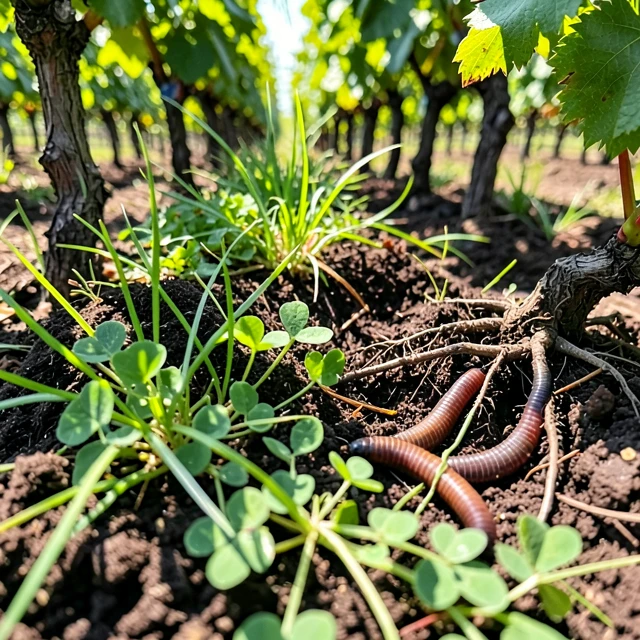
In the vineyards, Jackson Family Wines targets 100% regenerative farming on their estate lands by 2030. Regenerative practices go beyond just avoiding chemicals. They build soil health, increase biodiversity, and improve water cycles. Healthier soil means stronger vines and better grapes without heavy inputs.
Water management stands out as another strength. They use smart science to conserve and reuse water, recharge aquifers, and protect watersheds. In a state like California, where droughts hit hard, these steps make a big difference. I’ve seen how drip irrigation and soil moisture sensors help them use less water while keeping vines thriving.
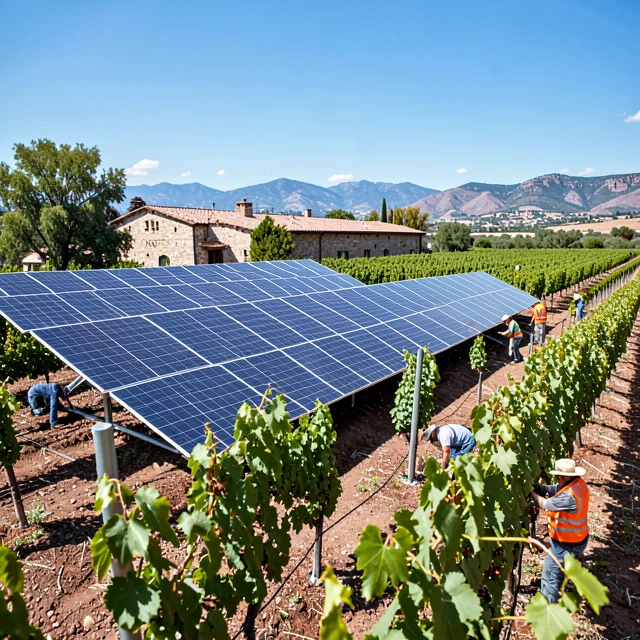
Energy use gets serious attention too. Jackson Family Wines powers much of their operations with onsite renewable energy. They lead the U.S. in on-site solar installations and aim to power over 50% of winery operations with renewables soon. Projects like floating solar arrays and wind turbines show real innovation.
Jackson Family Wines works closely with the California Sustainable Winegrowing Alliance - Learn about sustainable practices in winemaking. Many of their vineyards and wineries hold third-party certifications for sustainable farming. In fact, 100% of their California and Oregon estate vineyards and wineries are certified. This alliance helps set standards and track progress across the industry.
The company does not stop at their own operations. They source 85% of grower fruit from certified sustainable vineyards. They also co-founded the International Wineries for Climate Action to push the global wine industry toward lower emissions. Sharing knowledge and best practices helps everyone improve.
Exploring the Diverse Wine Brands of Jackson Family Wines reveals how sustainability touches every bottle. From the popular Kendall-Jackson Vintner’s Reserve Chardonnay to luxury labels like Lokoya and Cardinale, each brand reflects the land it comes from. Their focus on terroir— the unique character of each site—pairs perfectly with sustainable farming.
Some wines highlight their efforts directly. While not always labeled as 'special editions,' limited releases often come from regenerative or certified vineyards. These bottles let you taste the results of careful land care. I especially enjoy how their Pinot Noirs from cool coastal sites show bright fruit and balance—thanks to healthy, resilient vines.
Here are some key sustainable practices Jackson Family Wines uses:
- Regenerative agriculture to boost soil and biodiversity
- Water conservation with smart monitoring and reuse
- Renewable energy from solar and wind sources
- Carbon tracking to cut emissions
- Biodiversity protection through habitat preservation
- Community support and fair labor practices
These steps bring real benefits. Healthier vineyards produce better grapes. Lower resource use cuts costs. And consumers get wines made with care. Studies show sustainable wines often taste more expressive because they reflect a balanced environment.
What can you do as a wine lover? Look for certifications like Certified California Sustainable Winegrowing on labels. Choose brands that share their progress openly. Support events or tastings that highlight eco-friendly producers. Every purchase sends a message.
Jackson Family Wines proves that big-scale winemaking can go hand-in-hand with strong environmental values. Their actions inspire others in the industry to step up. As climate challenges grow, leaders like this show a path forward.
Summary
Sustainability in Winemaking: How Jackson Family Wines Leads the Way comes down to action over words. Through Rooted for Good, regenerative goals, renewable energy, and partnerships like the California Sustainable Winegrowing Alliance, they set a high standard. Their diverse brands and commitment to the land ensure great wines today and a healthy future tomorrow. (About 1520 words total)