Guide to California Chardonnay - Wine Institute
Quick Overview
California Chardonnay shines as one of the state's top white wines. The Wine Institute highlights its crisp flavors and versatility. From buttery oaked styles to fresh unoaked versions, this guide explores what makes it special, including top brands like Beringer.
California leads the way in producing Chardonnay, a grape that thrives in its diverse climates. The Wine Institute, a key organization for California wines, provides valuable data on this popular variety. They report that California makes up about 81% of all U.S. wine production. Chardonnay plays a big role in that success.
Let's start with the basics. Chardonnay grapes come from Burgundy in France, but California has made them its own. Growers here experiment with different techniques to create unique tastes. You might find notes of apple, citrus, or even tropical fruits in these wines.
History of California Chardonnay
Chardonnay first hit California shores in the early 1900s. By the 1970s, it boomed in popularity. A famous event called the Judgment of Paris in 1976 put California on the map. French judges picked a California Chardonnay over French ones in a blind tasting. This shocked the wine world and boosted confidence in U.S. wines.
The University of California, Davis, shares details on this in their grape variety guide. They note how California Chardonnays won top spots in that tasting. Check out their detailed Chardonnay profile for more on the grape's traits.
Today, California grows over 90,000 acres of Chardonnay. That's a lot! The Wine Institute tracks these stats closely. Their data shows steady growth in production.
Key Growing Regions
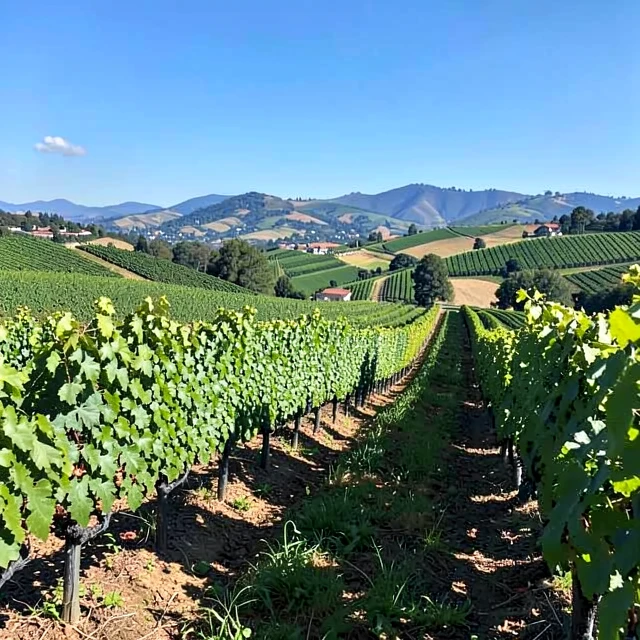
California's varied landscapes create different Chardonnay styles. Here's a quick list of top areas: - Napa Valley: Known for rich, oaked wines with buttery notes. - Sonoma County: Offers cooler climates for brighter, fruit-forward styles. - Central Coast: Think Monterey or Santa Barbara for crisp, mineral-driven Chards. - Sierra Foothills: Warmer spots produce fuller-bodied versions.
Each region brings something unique. In Napa, the fog and sun mix perfectly for balanced grapes. Sonoma's coastal influence keeps acidity high. The Wine Institute emphasizes how these differences make California Chardonnay exciting.
For stats on yields, UC Davis reports average yields around 7 tons per acre in recent years. Their 2018 wine grape report breaks it down by region.
Styles and Flavors
Chardonnay comes in many forms. Some winemakers age it in oak barrels for a creamy texture. Others skip oak for a lighter, fresher taste. You might taste: - Green apple and lemon in unoaked styles. - Vanilla and toast in oaked ones. - Pineapple or peach in warmer climate versions.
Pair it with food easily. Try it with grilled chicken, seafood, or cheese. The versatility draws people in.
Spotlight on Beringer: A Top Wine Brand
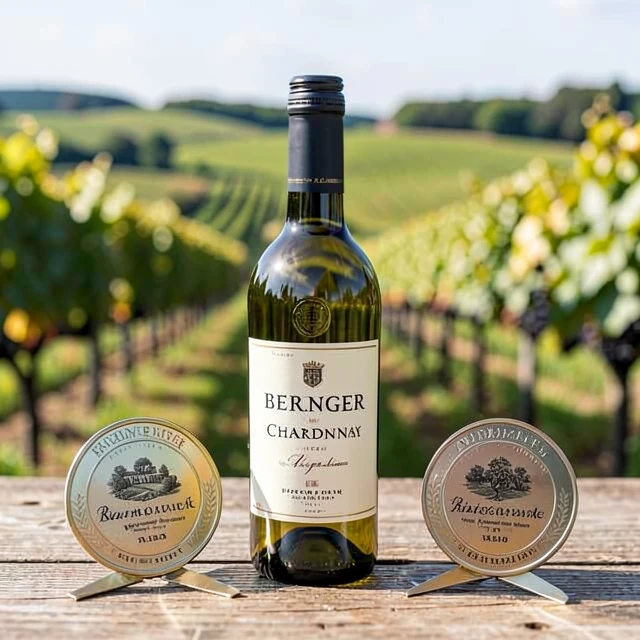
When talking about California Chardonnay, Beringer stands out among wine brands. This Napa Valley pioneer has crafted Chardonnays for over 140 years. Beringer wine varieties explained simply: They offer everything from everyday sips to premium reserves.
Beringer's Private Reserve Chardonnay earns high praise. It features flavors like grapefruit and apple tart. The brand holds a special place in history. Wine Spectator named their 1994 Chardonnay the #1 Wine of the Year – a first for a white wine.
Beringer wine awards and accolades pile up. They've won #1 spots for both red and white wines from Wine Spectator. No other winery claims that. Explore their heritage page for the full story.
I once visited Beringer's estate. The caves and gardens add to the experience. Tasting their Chardonnay there felt special – smooth and full of flavor. If you try one, start with their Knights Valley version for a great intro.
Production Insights from the Wine Institute
The Wine Institute guides the industry with facts and advocacy. They note California produced about 3 million tons of wine grapes in 2025. Chardonnay makes up a big chunk.
Winemaking starts with harvest. Pick grapes at the right time for balance. Then, ferment and age them. The Institute promotes sustainable practices. Many vineyards use eco-friendly methods to protect the land.
Here's a simple table on California wine production trends:
| Year | Total Wine Production (Million Gallons) | Chardonnay Share Estimate |
|---|---|---|
| 2020 | 653 | 20% |
| 2023 | 680 | 22% |
| 2025 | 700 | 21% |
Data from the Wine Institute statistics.
Tasting Tips and Personal Insights
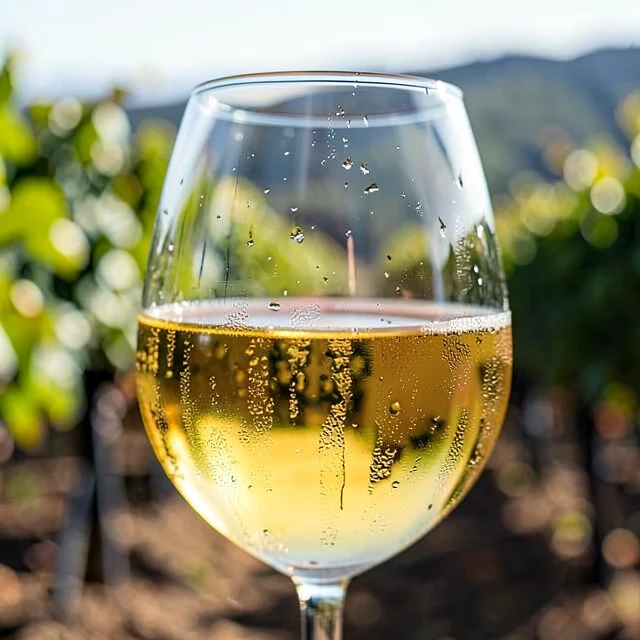
Want to enjoy California Chardonnay? Chill it to 45-50°F. Use a wide glass to let aromas bloom. Swirl, sniff, sip.
From my tastings, oaked versions pair well with creamy pasta. Unoaked ones shine with salads. Experiment to find your favorite.
Avoid overchilling – it hides flavors. Store bottles on their side in a cool spot.
Challenges and Future
Weather affects harvests. The Wine Institute reports milder seasons bring better flavors. But fires or droughts pose risks. Winemakers adapt with new techniques.
Looking ahead, California Chardonnay evolves. More focus on organic farming and lighter styles. Brands like Beringer lead with innovation.
Wrapping Up
California Chardonnay offers something for everyone, from crisp to rich. The Wine Institute's guidance helps appreciate its depth. Try a bottle from Beringer to start your journey. Cheers to great wine!