The History of Wine: From Ancient Times to Modern Day
A Brief Overview
Wine has been part of human culture for over 8,000 years. It started as a simple fermented drink in ancient times and grew into a global symbol of celebration, religion, and craftsmanship. From ancient rituals to modern vineyards, wine tells the story of civilization itself.
The Ancient Origins
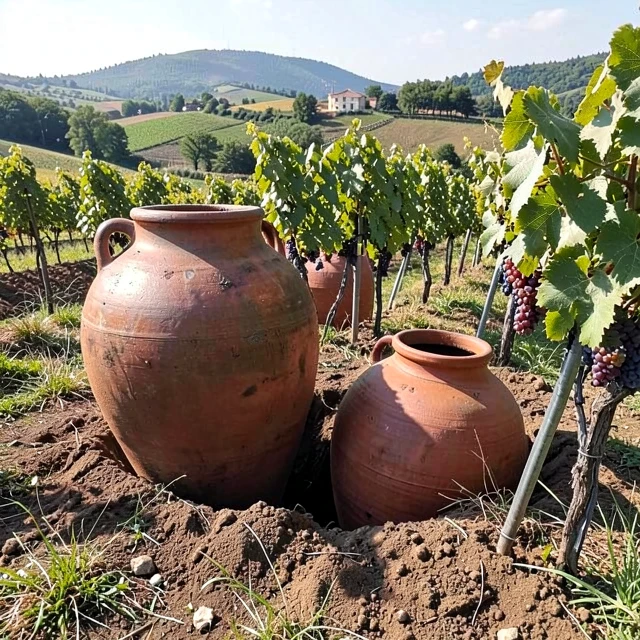
The story of The History of Wine: From Ancient Times to Modern Day begins around 6000 BCE in the South Caucasus region, including modern-day Georgia, Armenia, and parts of Iran. Early people discovered that crushed grapes left in clay pots naturally fermented into wine.
Archaeologists found the oldest evidence in Georgia, where large clay vessels called qvevri were buried underground to ferment wine. This method is still used today in Georgian winemaking. Wine quickly became more than a drink—it was used in religious ceremonies and as medicine.
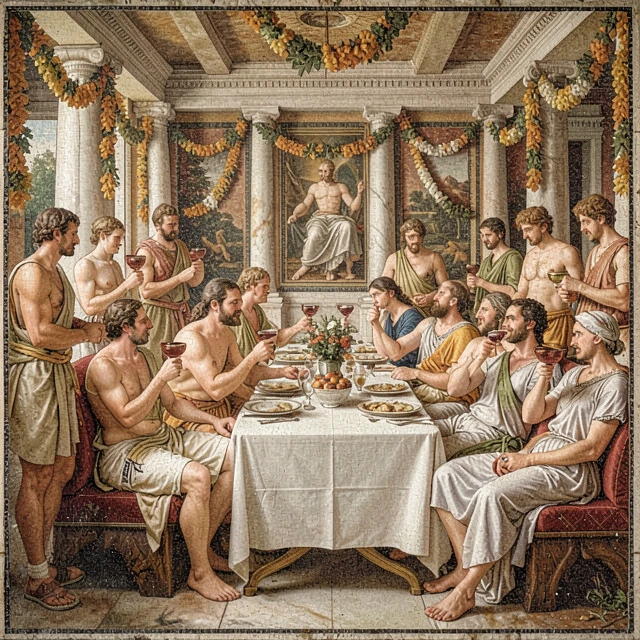
From there, wine spread to ancient civilizations. In Egypt around 3000 BCE, pharaohs enjoyed wine and buried it with them for the afterlife. The Greeks took it further, honoring Dionysus, their god of wine. They saw wine as a gift from the gods and perfected techniques like using amphorae for storage.
The Romans expanded wine production across their empire. They built vineyards throughout Europe and improved methods, including adding sulfur to preserve wine. Roman banquets featured wine flowing freely, often mixed with water.
Wine in the Middle Ages
After the fall of the Roman Empire, monasteries kept wine alive in Europe. Monks needed wine for the Eucharist and tended vineyards with care. In Burgundy, Cistercian monks identified top vineyard sites that still produce great wines today.
These monks experimented with grape varieties and techniques, laying the foundation for many famous regions. Wine trade grew, with merchants shipping barrels across rivers and seas.
The New World and Challenges
In the 15th and 16th centuries, European explorers brought vines to the Americas. Wine took root in places like Mexico and California. But the biggest change came in the 19th century with phylloxera, a tiny pest from America that destroyed European vineyards.
The solution? Grafting European vines onto resistant American rootstocks. This saved the industry and is still standard practice today.
Modern Wine: Science and Global Growth
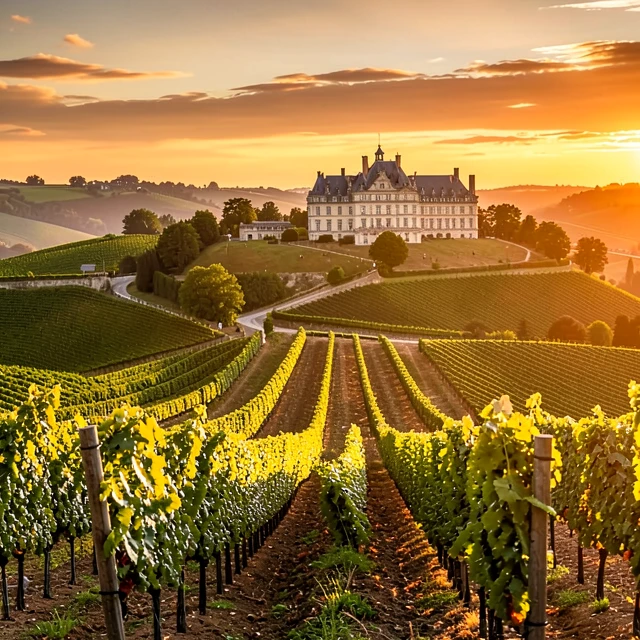
The 20th century brought technology like temperature-controlled fermentation and better bottling. The Judgment of Paris in 1976 shocked the world when California wines beat French ones in a blind tasting.
Today, wine is produced worldwide, from traditional Old World regions like France and Italy to New World spots in Australia, Chile, and South Africa. Trends include sustainable farming and natural wines.
The Science of Terroir: How Land Shapes Wine
The Science of Terroir: How Land Shapes Wine explains why wines from different places taste unique. Terroir includes soil, climate, slope, and even local microbes.
For example, chalky soils in Champagne give crisp acidity to sparkling wines. Cooler climates produce lighter wines, while warmer areas create bolder ones. Understanding terroir helps you appreciate why a Cabernet from Bordeaux differs from one from Napa.
Wine Tasting Today
To enjoy wine fully, start with a simple guide. A Guide to Wine Tasting: Tips and Tricks for Beginners makes it easy.
- Look at the color and clarity.
- Swirl to release aromas.
- Smell for fruits, spices, or earth.
- Sip and note flavors, acidity, and finish.
Practice with friends or at a winery. Check out The Ultimate Wine Tasting Guide for more tips.
In Summary
From ancient qvevri to today's diverse bottles, The History of Wine: From Ancient Times to Modern Day shows how wine connects us across time. It reflects culture, science, and nature.
Next time you pour a glass, remember the long journey it took to reach you.