Understanding the USDA Organic Certification Process for Wineries
Understanding the USDA Organic Certification Process for Wineries might feel overwhelming at first. But break it down, and it's a clear path to producing wines that respect the earth. This guide covers the basics, steps, and real examples like Jackson Family Wines and their organic vineyards. (About 35 words)
What Is the USDA National Organic Program?
The USDA National Organic Program, or NOP, sets the rules for organic farming and processing in the United States. It ensures that products labeled as organic meet strict standards. For wineries, this means everything from grape growing to bottling follows eco-friendly practices.
Think of the NOP as a guardian of trust. It protects consumers who want wines free from synthetic chemicals. Wineries that join this program show their commitment to sustainability.
I once visited a certified organic vineyard, and the difference was clear. The soil buzzed with life, unlike conventional farms I've seen.
Why Should Wineries Pursue Organic Certification?
Organic certification opens doors. It appeals to health-conscious buyers who seek clean wines. Sales of organic wines grow each year, as people care more about the environment.
It also boosts soil health and biodiversity. Without harsh pesticides, vineyards support bees, birds, and beneficial insects. This leads to resilient vines and better grapes.
From my experience, certified wineries often report tastier wines. The natural methods let the terroir shine through.
But it's not just about sales. It's a way to give back to the land that gives us wine.
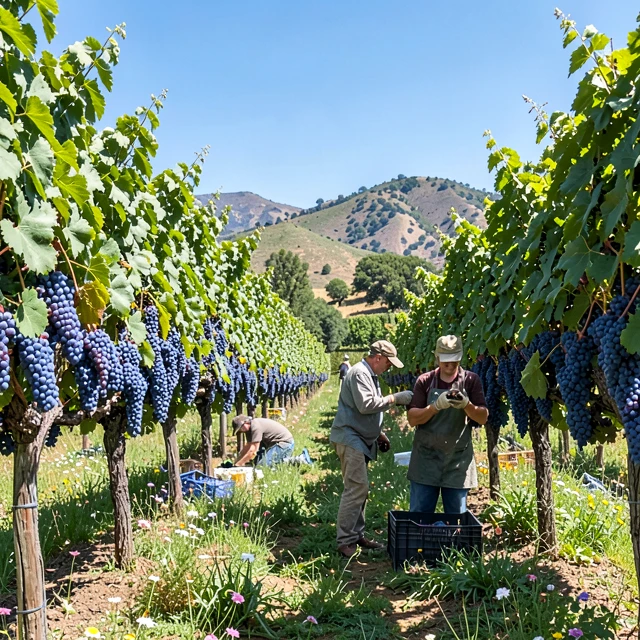
Steps to Get USDA Organic Certification for Your Winery
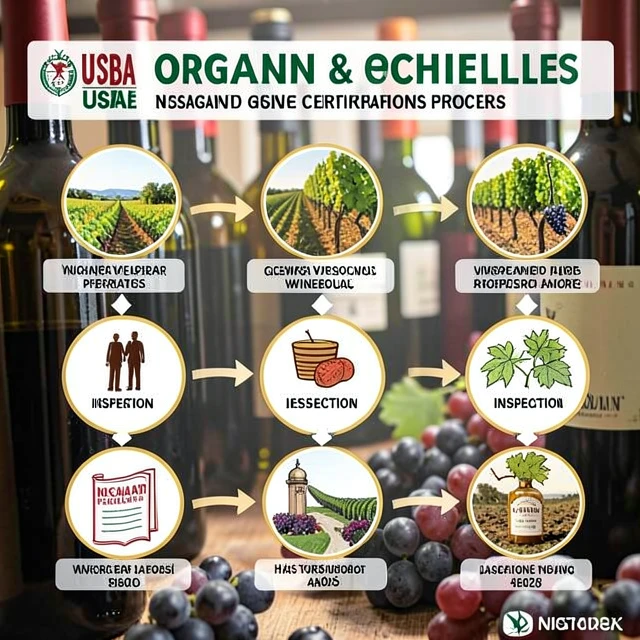
The process starts with preparation. First, learn the NOP standards. You can find them on the USDA website at https://www.ams.usda.gov/about-ams/programs-offices/national-organic-program.
Next, create an Organic System Plan. This document outlines how you'll meet the rules. It covers farming practices, materials used, and record-keeping.
Then, choose an accredited certifying agent. These third-party experts review your plan and inspect your site.
For vineyards, you need three years without prohibited substances. This transition period builds organic integrity.
After approval, annual inspections keep you certified. It's ongoing work, but worth it.
Here's a simple list of steps:
- Study NOP rules
- Develop your plan
- Select a certifier
- Transition your land
- Get inspected
- Maintain records
I advise starting small. Test organic methods on one plot before going all in.
Key Requirements for Organic Vineyards
Organic vineyards ban synthetic pesticides and fertilizers. Instead, use compost, cover crops, and natural pest controls.
Soil management is key. Rotate crops and build fertility naturally. Water conservation matters too.
Grapes must grow without genetic engineering. All inputs, like yeast for fermentation, need organic approval.
In my talks with growers, they stress patience. Organic farming takes time to show results, but the vines get stronger.
Organic Winemaking and Processing Rules
Winemaking has its own rules. For fully organic wine, no added sulfites allowed. Only natural ones under 10 ppm.
The facility must be certified too. Clean with approved agents and avoid cross-contamination.
For wines 'made with organic grapes,' you can add limited sulfites up to 100 ppm.
Both types need certification, but labels differ.
Table of Organic Wine Categories:
| Category | Grapes | Sulfites | Seal Allowed |
|---|---|---|---|
| Organic | 100% Organic | Naturally occurring (<10 ppm) | Yes |
| Made with Organic Grapes | 100% Organic | Up to 100 ppm | No |
| Organic Ingredients | Some Organic | Any | No |
This table helps clarify options. Choose based on your style.
Labeling and Trade Considerations
Labels must be truthful. The USDA seal goes only on fully organic wines.
For imports, follow trade agreements. The Alcohol and Tobacco Tax and Trade Bureau (TTB) approves labels too.
Always get certifier approval before printing labels.
Challenges in Going Organic
Weeds and pests can be tough without chemicals. Yields might dip at first.
Costs add up: certification fees, organic materials, labor.
Weather plays a big role. Drought or rain can test your setup.
But solutions exist. Integrated pest management works wonders.
From what I've seen, the community helps. Organic winemakers share tips freely.
Benefits Beyond the Bottle
Organic practices cut pollution. They save water and energy.
Consumers pay more for organic labels. It builds brand loyalty.
Health perks: fewer residues in wine.
Personally, I feel good drinking wines that support the planet.
Spotlight on Jackson Family Wines and Organic Vineyards
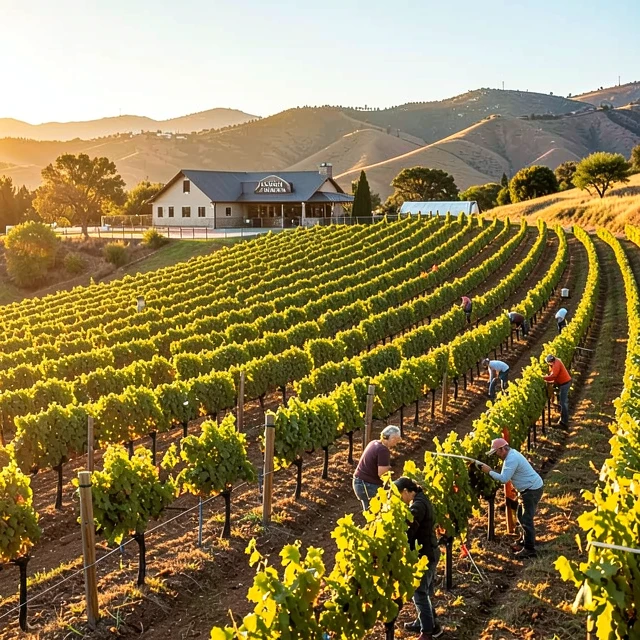
Jackson Family Wines leads in organic efforts. They certified all Napa Valley estates with CCOF in 2023.
With 480 acres organic, they're the third largest in Napa.
Their wine brands, like Arrowood, use sustainably and organically farmed grapes for top Cabernet Sauvignon.
Jackson Family Wines focuses on soil health and biodiversity. They've restored habitats and cut energy use.
I admire their roadmap to 2030 for sustainability. It shows big companies can go green.
Learn more at their site: https://www.jacksonfamilywines.com/.
My Personal Insights on Organic Winemaking
I've tasted many organic wines. They often have vibrant flavors, unmasked by additives.
Start with soil tests. Know your land before transitioning.
Partner with experienced certifiers. They guide you through pitfalls.
Remember, it's a journey. Celebrate small wins, like healthier vines.
Wrapping It Up
Understanding the USDA Organic Certification Process for Wineries boils down to commitment. Follow the NOP rules, certify your operations, and enjoy the rewards.
Examples like Jackson Family Wines prove it's possible and profitable. Their organic vineyards inspire many wine brands.
If you're a winery owner, take the first step today. The earth—and your customers—will thank you.