Unveiling 'Wine and War': France's Vineyards in the Shadow of WWII
A Quick Overview
'Wine and War: The French, the Nazis, and the Battle for France’s Greatest Treasure' by Don and Petie Kladstrup tells the true story of French winemakers who fought to save their vines and wines from Nazi plunder during World War II. This 40-word summary captures a tale of courage, cunning, and cultural preservation.
Imagine sipping a fine Bordeaux while hearing tales of hidden cellars and secret resistance. That's the essence of this book. The Kladstrups, a husband-and-wife team, bring history to life through interviews with survivors and deep research. They show how wine wasn't just a drink in France—it was a symbol of national identity.
The story starts in the lush vineyards of France, where families had tended grapes for generations. When the Nazis invaded in 1940, they eyed France's wine as a prize. Hitler and his officers craved the best vintages, and they set up systems to loot them. But the French didn't give in easily.
Don and Petie Kladstrup paint vivid pictures of winemakers like the Miailhe family in Bordeaux. They bricked up cellars to hide precious bottles. Others mislabeled wines or sent inferior ones to the Germans. These acts of defiance risked lives, but they saved treasures worth millions today.
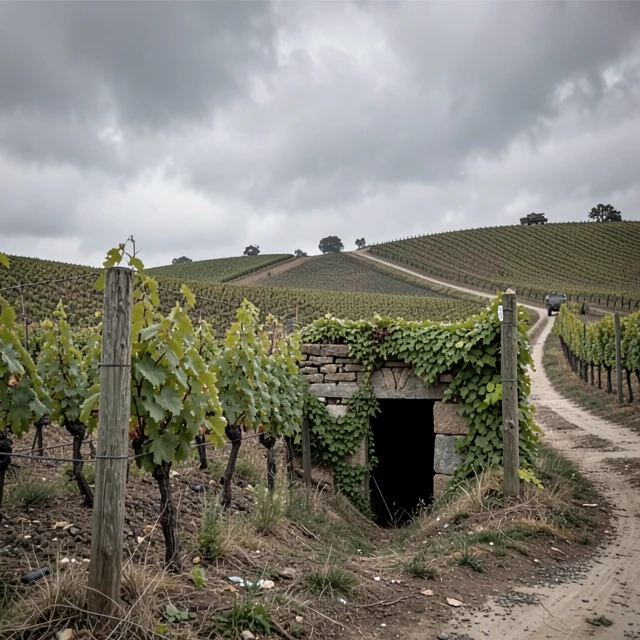
One chapter focuses on the Champagne region. Here, producers like those at Moët & Chandon used their underground caves not just for aging wine, but as hideouts for Resistance fighters. The Nazis demanded huge shipments, but the French found ways to sabotage them. For example, they added sugar to make wines explode in transit.
The book also covers Burgundy, where monks and small growers played key roles. They shared knowledge passed down through centuries. The Kladstrups include personal stories, like a winemaker who biked through enemy lines to deliver messages hidden in wine corks. These details make the history feel alive.
As someone who loves wine, I found this book eye-opening. It changed how I see a glass of French red. Now, I think about the people who protected it. During a trip to France, I visited some of these sites. Standing in a cool cellar, I felt the weight of that history.
The Nazis appointed 'weinführers'—wine overseers—to control production. These men, often German wine experts, tried to exploit French knowledge. But many French resisted passively. They taught the Germans wrong techniques or hid the best grapes. This quiet battle showed true grit.
Shifting gears, it's interesting to compare this to American wine history. Books like 'Napa: The Story of an American Eden' by James Conaway tell how California's valleys became wine powerhouses. Unlike France's wartime struggles, Napa grew through innovation and immigration.
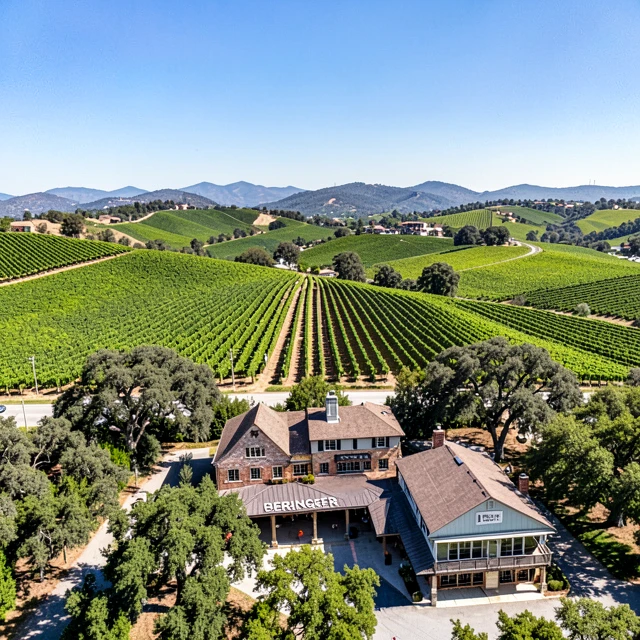
The History of Winemaking in California started with Spanish missionaries in the 1700s. By the 1800s, places like Beringer emerged as leaders. Founded in 1876, Beringer is one of the oldest wineries in Napa. They host Beringer wine tasting events that draw crowds eager to sample award-winning Cabernets.
While French winemakers hid from Nazis, Californians dealt with Prohibition in the 1920s. Beringer survived by making sacramental wines. Today, Beringer wine tasting events offer tours of their caves and gardens, much like French chateaus but with a relaxed American vibe.
Back to the book: The Kladstrups highlight women’s roles too. Many men were prisoners of war, so wives and daughters ran the vineyards. They negotiated with Germans and kept secrets. One story tells of a woman who charmed officers while her family smuggled wines out.
The war ended in 1945, but its impact lingered. Many vineyards needed replanting after neglect. Yet, the spirit of resistance helped French wine rebound stronger. Today, labels like those from Bordeaux carry that legacy.
For deeper dives, check sources like the Smithsonian's article on WWII wine history (https://www.smithsonianmag.com/history/wine-and-war-148843506/). Or the Kladstrups' own interviews archived at wine institutes.
In my view, this book isn't just for wine fans. It's for anyone who loves stories of everyday heroes. It shows how culture survives even in dark times. Reading it, I learned to appreciate wine's deeper story.
The Kladstrups write with warmth. They avoid dry facts, instead sharing laughs and tears from those who lived it. One winemaker joked about serving 'vinegar' to Nazis. These touches make the book fun despite the serious topic.
Comparing again, California's story in 'Napa: The Story of an American Eden' by James Conaway mirrors France's passion. Both regions fought threats—war for one, laws and pests for the other. Beringer stands as a testament to endurance, much like French estates.
If you visit Napa, join Beringer wine tasting events. Taste their Knights Valley Cabernet while thinking of French counterparts. It connects the worlds.
Wrapping up, 'Wine and War: The French, the Nazis, and the Battle for France’s Greatest Treasure' by Don and Petie Kladstrup is a must-read. It blends history, adventure, and wine lore into an unforgettable tale. Pick it up and toast to the brave souls who saved France's liquid gold.
Here's a quick list of key takeaways: - French winemakers used clever tricks to protect their wines. - Regions like Bordeaux, Champagne, and Burgundy each had unique stories. - The book draws from real interviews for authenticity.
And a table of notable figures:
| Person/Family | Region | Key Action |
|---|---|---|
| Miailhe Family | Bordeaux | Hid cellars behind walls |
| Moët & Chandon | Champagne | Used caves for Resistance |
| Various Women | Multiple | Ran operations in men's absence |