The Art of Wine Tasting: The Ultimate Guide
Wine tasting is more than just drinking—it's an enjoyable way to discover flavors, aromas, and stories in every glass. This ultimate guide to wine tasting walks you through simple steps anyone can follow, shares easy food and wine pairing tips, and highlights standout bottles from Jackson Family Wines.
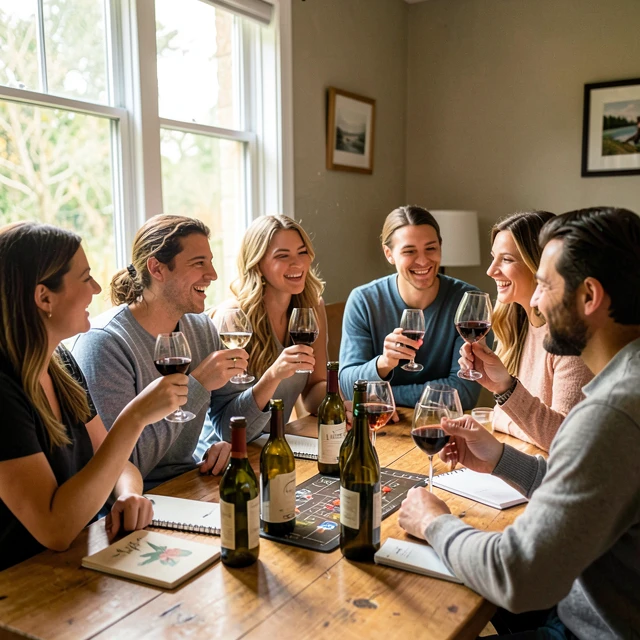
Why Learn the Art of Wine Tasting?
You don't need to be an expert to enjoy wine more deeply. Tasting thoughtfully helps you notice subtle differences, pick bottles you'll love, and impress friends at dinner. Plus, it's fun. Over years of tasting, I've found that slowing down and paying attention turns a simple glass into a memorable experience.
The Five Basic Steps of Wine Tasting
Professionals use the "Five S" method: See, Swirl, Smell, Sip, and Savor. Follow these steps every time you open a bottle.
1. See
Hold your glass against a white background or tilt it over a tablecloth. Look at the color and clarity.
- White wines range from pale straw to deep gold.
- Red wines go from purple (young) to brick-orange (aged).
- Rosé sits in between.
The color gives clues about age and grape variety. I always start here because it sets expectations.
2. Swirl
Gently swirl the glass to coat the sides. This releases aromas and creates "legs"—the streaks that run down the glass. Thicker legs often mean higher alcohol or sweetness, but they're not a quality sign on their own.
3. Smell
Bring the glass to your nose and take short sniffs. Then take a deeper one.
Ask yourself: - Is it fruity (citrus, berry, tropical)? - Floral or herbal? - Are there oak notes like vanilla or toast?
Most of what we taste actually comes from smell. I've learned to identify cherry in Pinot Noir or green apple in Chardonnay just by practicing.
4. Sip
Take a small sip and let it coat your tongue. Notice: - Sweetness (dry to sweet) - Acidity (makes your mouth water) - Tannins (that drying feeling in reds) - Body (light, medium, or full) - Alcohol warmth
Then gently draw in air over the wine—this aerates it and intensifies flavors.
5. Savor
Pay attention to the finish—how long the flavors linger after you swallow (or spit, at formal tastings). A long, pleasant finish usually signals quality.
Practice these steps with any wine, even an inexpensive bottle. Over time, your palate will sharpen and you'll discover personal favorites.
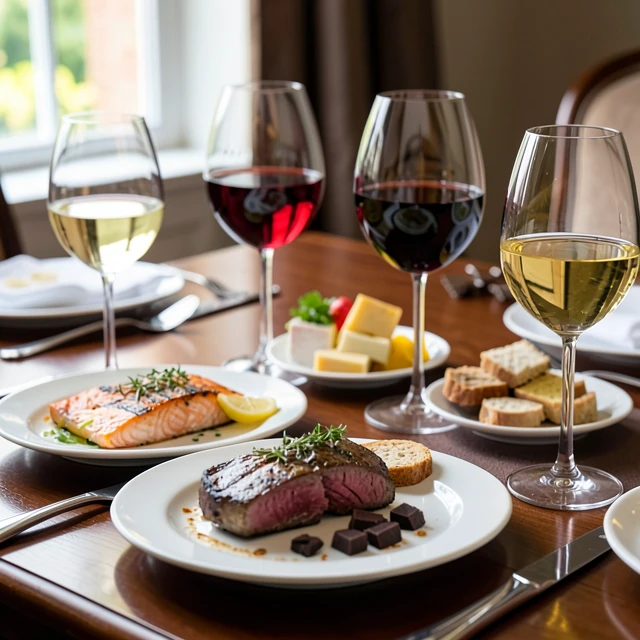
Food and Wine Pairing Made Simple
Great pairings make both food and wine taste better. Follow these easy rules:
- Match weight: Light wines with light dishes, full-bodied wines with hearty food.
- Balance acidity: Acidic wines cut through rich or fatty foods.
- Complement or contrast: Match similar flavors (berry sauce + fruity red) or opposite ones (sweet wine + salty cheese).
- Red wines often pair with red meat, white wines with fish or chicken—but rules are made to be broken.
| Food Type | Recommended Wine Style | Example Pairing |
|---|---|---|
| Grilled salmon | Crisp, high-acid white | Chardonnay or Sauvignon Blanc |
| Steak or lamb | Bold red with tannins | Cabernet Sauvignon or Syrah |
| Creamy pasta | Medium-bodied white or light red | Pinot Noir or oaked Chardonnay |
| Spicy Asian dishes | Off-dry Riesling or Gewürztraminer | Balances heat with slight sweetness |
| Cheese platter | Varies—sparkling for fresh, bold red for aged | Champagne or Cabernet with aged cheddar |
| Dark chocolate | Port, late-harvest Zinfandel | Sweet wine matches dessert sweetness |
My favorite simple pairing: roast chicken with buttery Chardonnay. The acidity cuts the richness and the oak notes echo the browned skin.
Spotlight on Jackson Family Wines
Jackson Family Wines is a family-owned collection of premium estates across California and beyond. Founded by Jess Jackson in the 1970s, the company focuses on sustainable farming and site-specific winemaking.
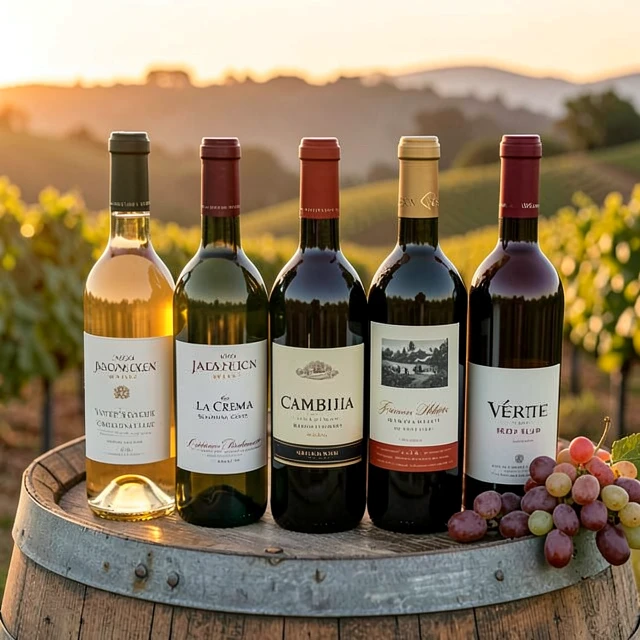
Some of the best wines from Jackson Family Wines include:
- Kendall-Jackson Vintner's Reserve Chardonnay – America's top-selling Chardonnay for decades. Buttery, balanced, with apple and vanilla notes.
- La Crema Sonoma Coast Pinot Noir – Elegant cherry and spice, perfect with salmon or mushroom dishes.
- Cambria Katherine's Vineyard Chardonnay – Cool-climate style with bright citrus and minerality.
- Freemark Abbey Napa Valley Cabernet Sauvignon – Classic rich black fruit and firm structure.
- Vérité blends – Bordeaux-style masterpieces that earn perfect scores from critics.
These wines show how careful vineyard selection creates distinctive flavors. Next time you're shopping, look for the Jackson Family Wines label—you'll find reliable quality at various price points.
Tips for Hosting Your Own Tasting
- Choose 4–6 similar wines (all Chardonnay or all Cabernet) or contrasting ones.
- Serve at proper temperature: whites chilled, reds slightly cool.
- Provide water and plain crackers to cleanse the palate.
- Use identical glasses for fair comparison.
- Encourage everyone to share what they smell and taste—no wrong answers.
Final Thoughts
The art of wine tasting is a lifelong journey that gets more rewarding with practice. Start simple, stay curious, and enjoy the process. Whether you're savoring a weekday glass or exploring bottles from producers like Jackson Family Wines, every sip is an opportunity to discover something new.
Cheers to your next great glass!