The History Behind Napa Valley’s Top Wineries
Napa Valley stands as a beacon for wine lovers around the world. This article takes you on a journey through Napa Valley's best wineries, exploring the history behind Napa Valley’s top wineries and the stories that make them legendary. From early pioneers to modern icons, discover what makes this region special.
The Beginnings of Napa Valley Wine
Napa Valley's wine story starts in the early 1800s. Native Americans called it the 'land of plenty' because everything grew well there. In 1839, settler George Yount planted the first grapes. He saw the area's potential with its fertile soil and mild climate. Yount's efforts laid the groundwork for what would become a thriving wine industry.
The Gold Rush in 1849 brought more people to California. Many settlers turned to farming after the rush ended. They planted more vineyards. By the mid-1800s, pioneers like John Patchett joined Yount. They experimented with different grape types, finding which ones thrived best.
In 1861, Charles Krug opened the first commercial winery. He used a cider press to make wine. Krug's success drew others. Soon, more wineries popped up. This marked the start of Napa as a wine hub.
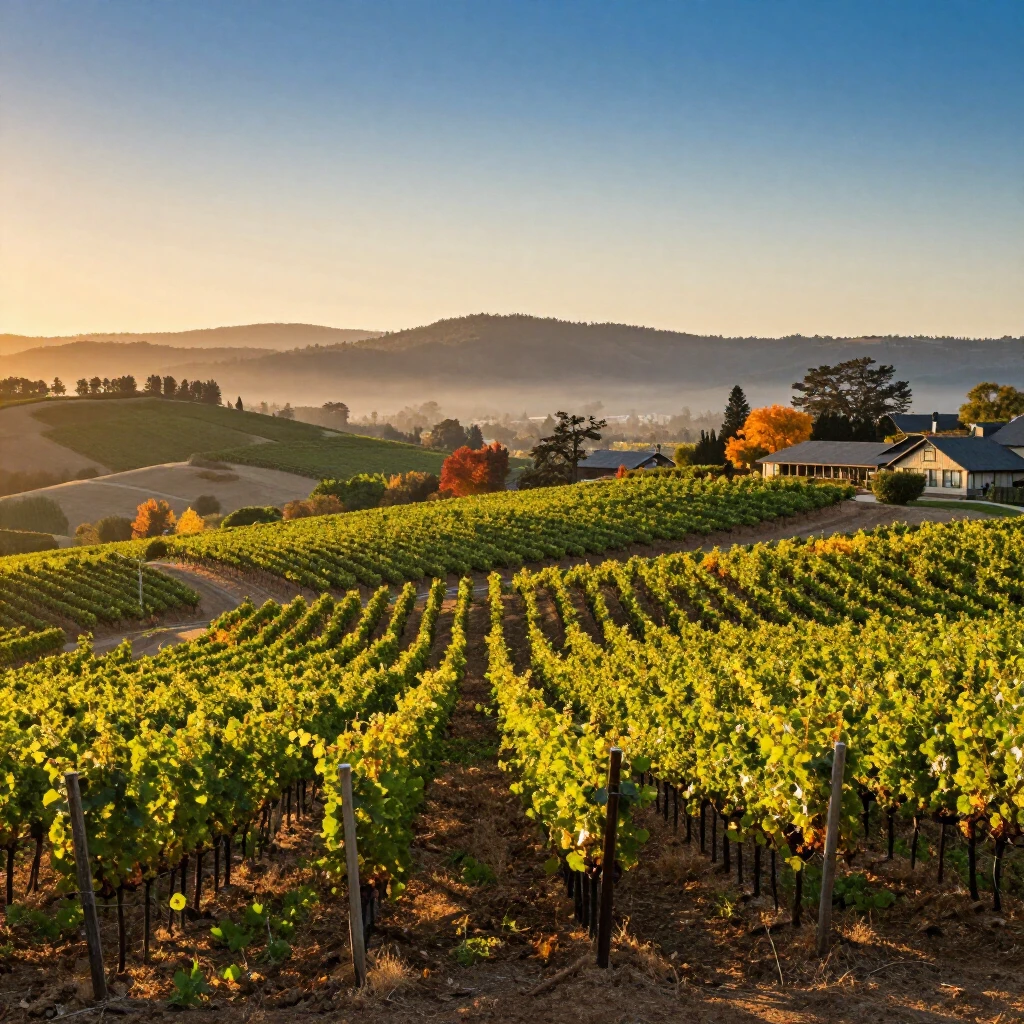
Pioneering Wineries That Shaped the Region
Several early wineries set the stage for Napa's fame. Let's look at a few key ones.
-
Charles Krug Winery: Founded in 1861, it's the oldest in Napa. Krug brought European techniques to California. Today, it blends old methods with new ones.
-
Inglenook Winery: Started in 1879 by Gustave Niebaum. He aimed to make wines as good as Europe's best. The winery changed hands over time but keeps its historic charm.
-
Schramsberg Vineyards: Began in 1862. It's famous for sparkling wines. They use traditional methods to create bubbly delights.
These wineries faced tough times. Phylloxera, a pest, destroyed many vines in the late 1800s. Winemakers replanted with resistant roots. Then came Prohibition in 1920. It banned alcohol sales. Many wineries closed. But some, like Beringer, survived by making sacramental wine for churches.
After Prohibition ended in 1933, Napa rebuilt. Wineries reopened and innovated. The 1976 Judgment of Paris tasting put Napa on the global map. California wines beat French ones in a blind test. This event boosted Napa's reputation.
The Story of Beringer: A Cornerstone of Napa History
Beringer stands out among Napa's top wineries. Brothers Jacob and Frederick Beringer founded it in 1876. They came from Germany, bringing wine knowledge. Jacob worked at other wineries first, learning local ways.
They built their winery in St. Helena. The brothers dug tunnels into the hillside for aging wine. These cool caves kept temperatures steady. Beringer became the oldest continuously operating winery in Napa. It never stopped, even during Prohibition.
Beringer pioneered tours after Prohibition. In 1934, they welcomed visitors. This sparked wine tourism in Napa. People could see the process and taste wines. It helped grow the industry's appeal.
Beringer Wine Production Process
The Beringer wine production process starts in the vineyards. They farm for low yields to get concentrated flavors. Workers hand-pick grapes at peak ripeness. This ensures quality.
Next, grapes go to the winery. They sort them carefully. Only the best make it through. For red wines, like Cabernet Sauvignon, they crush grapes and ferment with skins. This adds color and tannins.
White wines, such as Chardonnay, get pressed gently. Juice ferments without skins. Beringer uses gravity flow in their old winery. Wine moves down levels without pumps. This gentle handling preserves flavors.
Aging happens in oak barrels. Winemakers choose barrels to add subtle notes like vanilla or spice. Margo Van Staaveren, Beringer's winemaker, oversees this. She has over 45 years of experience.
Finally, they blend and bottle the wine. Beringer makes various wine brands, from everyday sips to premium reserves. Their Private Reserve Cabernet is famous for its depth and balance.
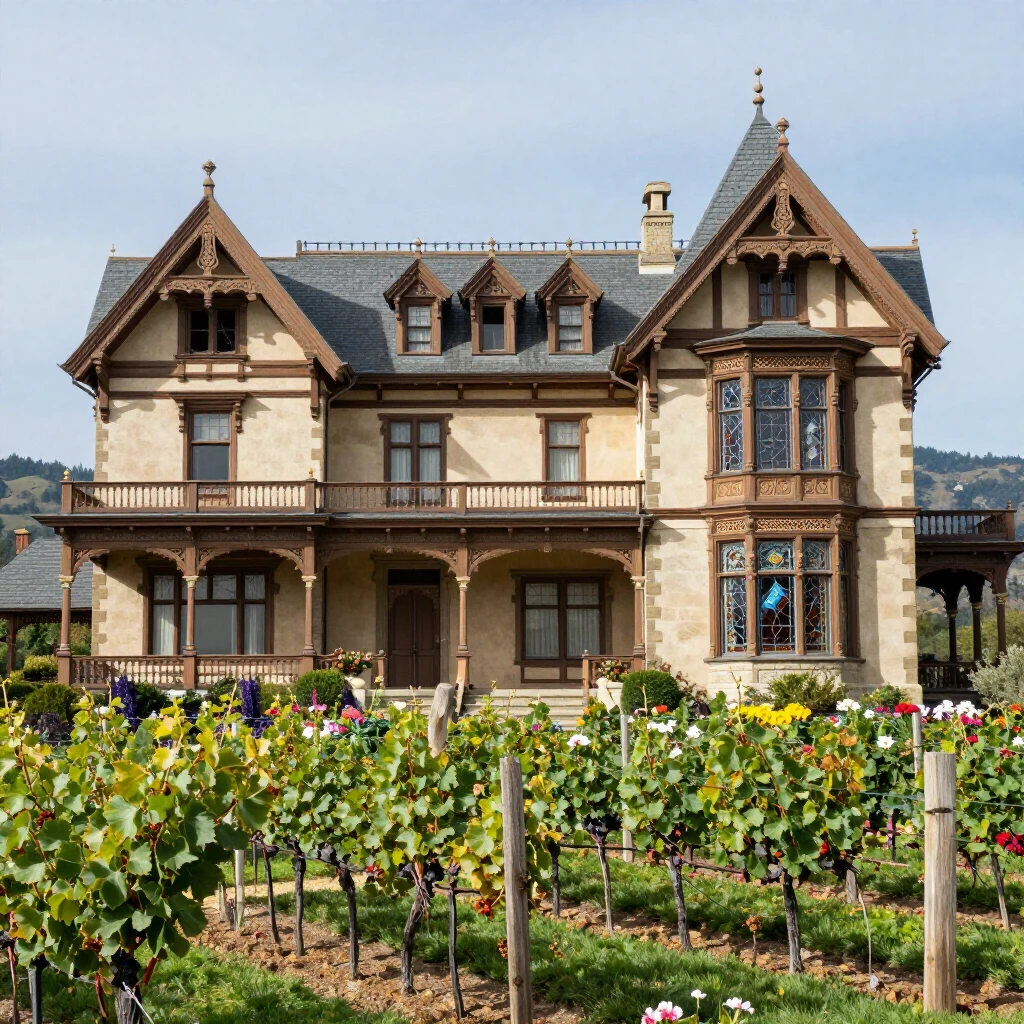
Visiting Beringer feels like stepping back in time. I remember walking through those caves, feeling the cool air. The guides share stories of the brothers' journey. It's inspiring how they turned dreams into reality.
Other Iconic Wineries and Their Legacies
Napa has many more stars. Robert Mondavi Winery, founded in 1966, pushed for quality. Mondavi promoted Napa wines worldwide. His efforts helped during the 1976 tasting.
Opus One, started in 1979, blends American and French styles. It's a joint venture between Mondavi and Baron Philippe de Rothschild. Their wines show elegance and power.
Stag's Leap Wine Cellars won big in 1976. Their Cabernet beat top Bordeaux. It proved Napa could compete globally.
Here's a quick table of some top wineries and their founding years:
| Winery | Founded | Notable For |
|---|---|---|
| Charles Krug | 1861 | First commercial winery |
| Beringer | 1876 | Continuous operation |
| Inglenook | 1879 | Historic estate |
| Robert Mondavi | 1966 | Global promotion |
| Opus One | 1979 | International collaboration |
Each winery adds to Napa's tapestry. They offer tastings, tours, and events. Visitors learn about sustainable farming too. Many use organic methods to protect the land.
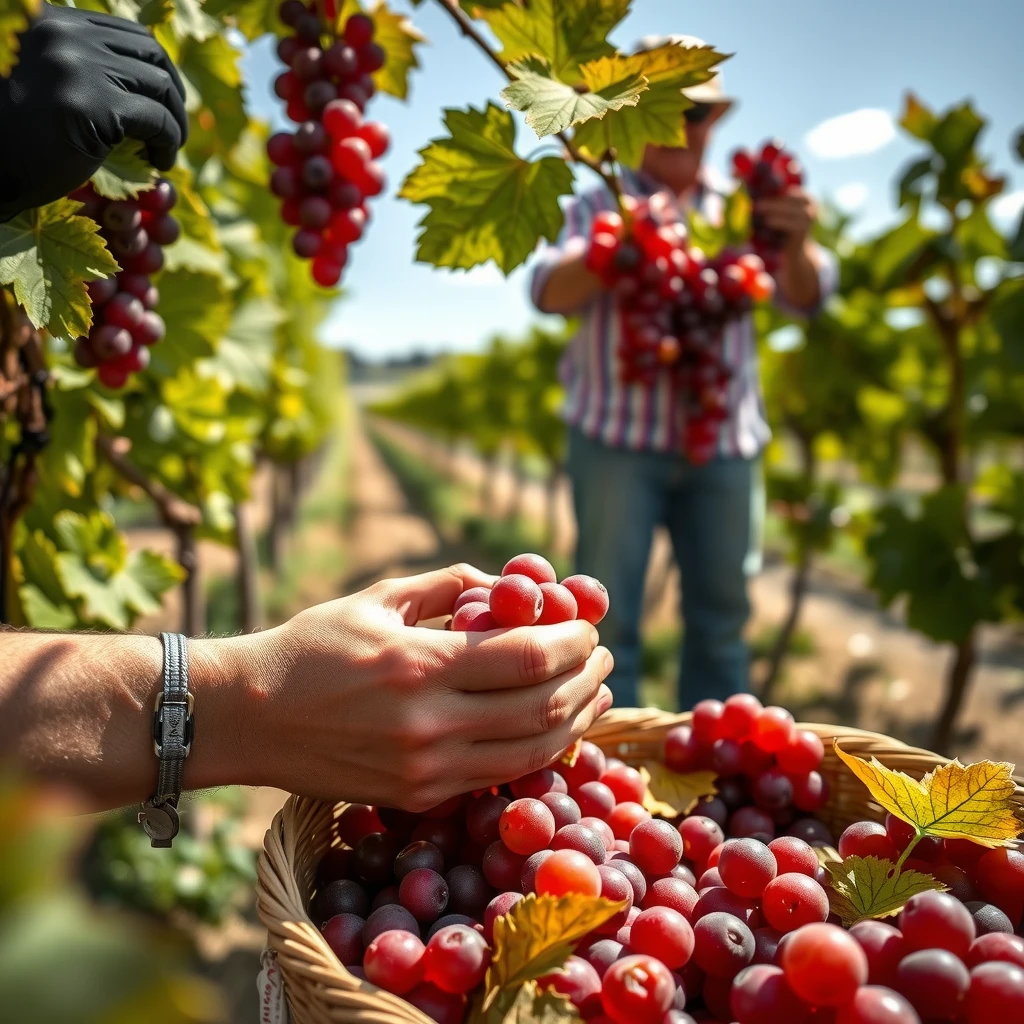
My tip: Plan your visit during harvest season. You see the action firsthand. The air smells of fresh grapes. It's magical.
Wrapping Up the Journey
The history behind Napa Valley’s top wineries shows resilience and passion. From Yount's first vines to today's award-winners, Napa evolves while honoring its roots. Whether you love Beringer or another, each sip tells a story.
Explore these wineries yourself. You'll gain appreciation for the craft. Remember, great wine comes from dedication and terroir.