Renewable Energy in the Wine Industry - Energy.gov Insights and Innovations
Overview
The wine industry is turning to renewable energy to cut costs, reduce emissions, and build a greener future. From solar panels on rooftops to wind turbines in vineyards, wineries are leading the way in sustainable practices. This shift not only helps the environment but also strengthens wine brands in a market that values eco-friendly choices.
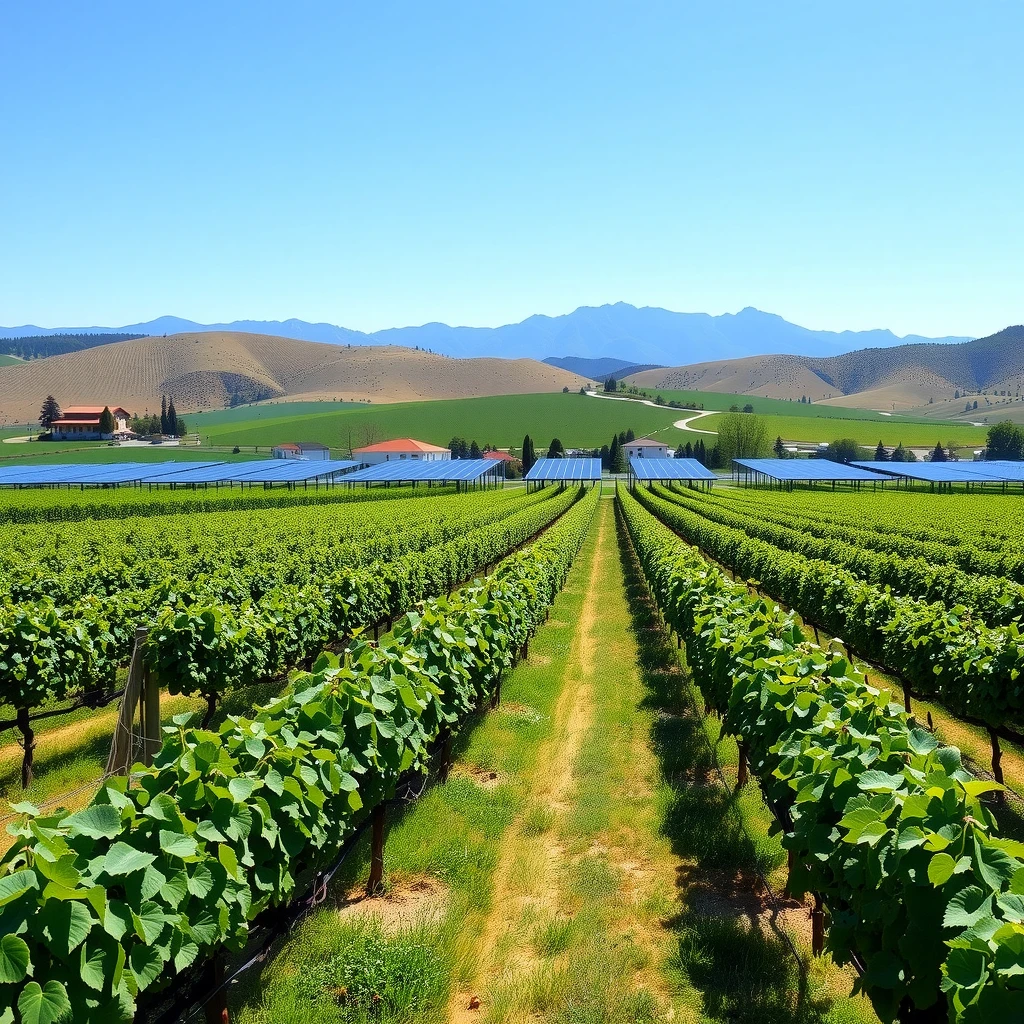
Winemaking uses a lot of energy. You need power for crushing grapes, fermenting wine, cooling cellars, and running pumps. Traditional sources like fossil fuels add to greenhouse gas emissions. That's where renewable energy comes in. Sources like solar, wind, and even biomass from grape waste can power these processes cleanly.
According to resources highlighted on Energy.gov, distributed wind projects and solar installations are making a real difference in agriculture, including vineyards. These technologies help wineries become more self-sufficient and resilient.
Why Renewable Energy Matters for Wineries
Switching to renewables brings big benefits: - Lower costs: After the initial investment, energy is free from the sun or wind. - Reduced emissions: Helps fight climate change, which threatens grape growing with extreme weather. - Better brand image: Consumers love sustainable wine brands. - Energy independence: Less reliance on the grid during outages.
Sustainability in winemaking explained simply: It's about protecting the land that gives us great wine for generations to come.
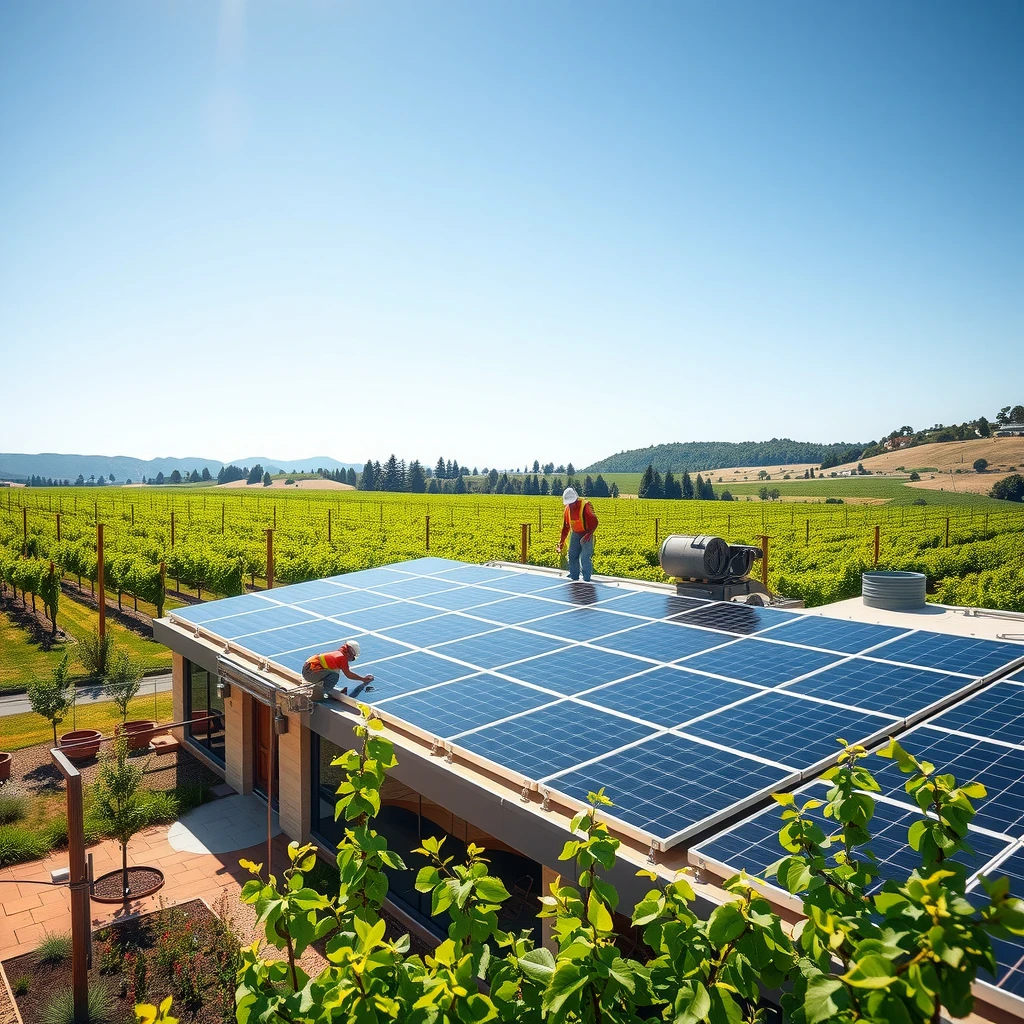
Many wineries start with solar power because sunny regions like California and parts of Europe have perfect conditions. Panels on roofs or ground-mounted arrays capture sunlight to generate electricity.
One standout leader is Jackson Family Wines. They have installed more on-site solar than any other winery in the U.S. Renewable energy now powers over 30% of their operations, with plans to reach 50% by 2025. Jackson Family Wines includes popular wine brands like Kendall-Jackson and La Crema.
They've added floating solar arrays on ponds and even a utility-scale wind turbine. These efforts have saved millions in energy costs and removed thousands of cars' worth of emissions from the road each year.
Jackson Family Wines and Organic Vineyards
Jackson Family Wines goes beyond energy. They focus on organic vineyards and regenerative farming. Cover crops build soil health, and precise water use conserves resources. Their 'Rooted for Good' plan aims to cut carbon emissions in half by 2030 without offsets.
This holistic approach shows how renewable energy fits into broader sustainability in winemaking explained: Healthy soils grow better grapes, and better grapes make exceptional wine.
Other examples inspire too. Scheid Family Wines in California uses wind turbines in the windy Salinas Valley. In Europe, projects turn winery waste into biogas for power.
Smaller wineries can start simple: 1. Audit your energy use. 2. Install solar where possible. 3. Look for grants or incentives. 4. Track savings and share your story.
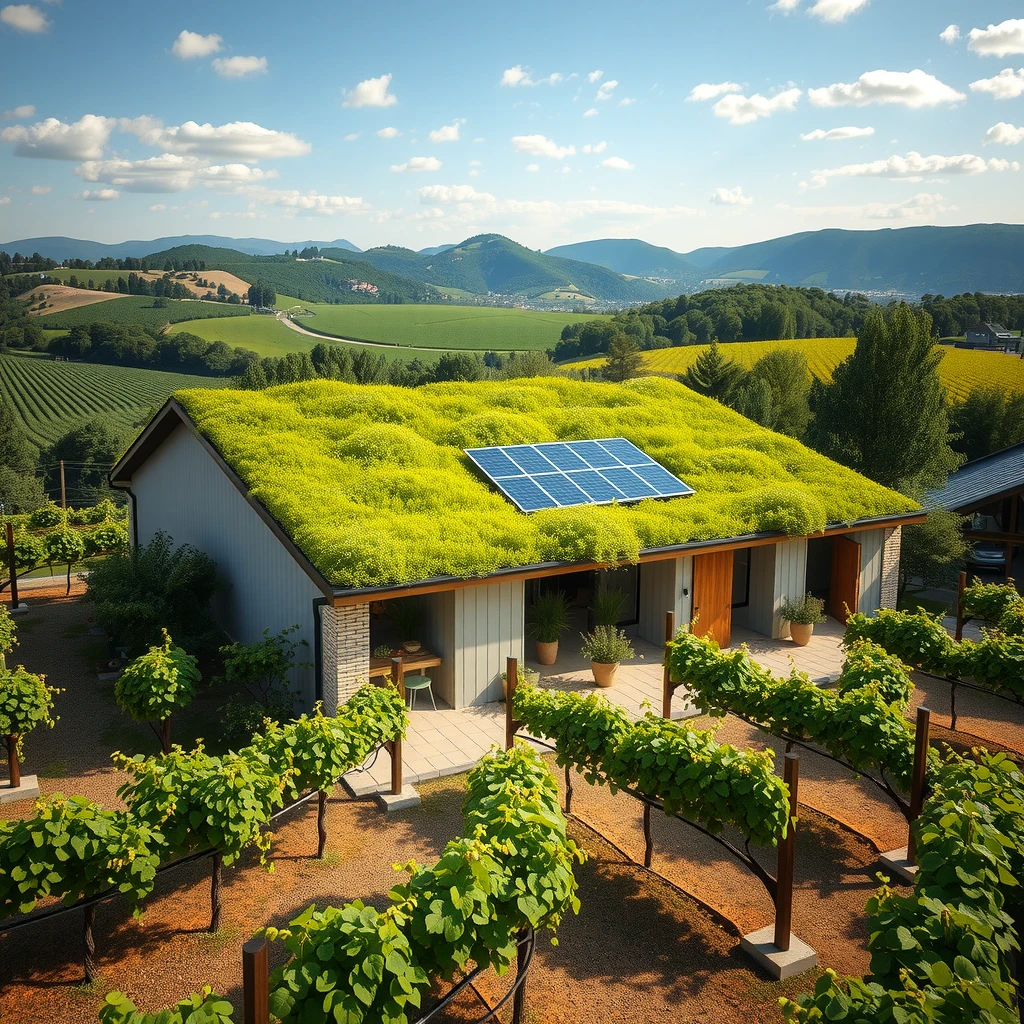
Challenges and How to Overcome Them
Upfront costs can be high, but payback comes in 5-10 years with falling solar prices. Government incentives help. Some areas lack sun or wind, so hybrid systems or biomass work better.
Personal insight: I've seen wineries transform. Owners tell me the pride in producing clean energy matches the joy of a perfect vintage. It connects them deeper to the land.
The future looks bright. As technology improves, more wineries will go renewable. This protects vineyards from climate risks and meets consumer demand for green products.
In summary, renewable energy in the wine industry - Energy.gov highlights innovative projects - is driving real change. Leaders like Jackson Family Wines show it's possible and profitable. Start small, think big, and raise a glass to a sustainable tomorrow.