The Evolution of Napa Valley Winemaking: From Pioneers to World-Class Wines
A Quick Overview
Napa Valley has transformed from a quiet farming area into one of the world's top wine regions. The Evolution of Napa Valley Winemaking tells a story of bold pioneers, tough setbacks, and amazing comebacks. Today, it produces some of the best Cabernet Sauvignon and Merlot wines, thanks to smart techniques and a passion for quality. (About 40 words)
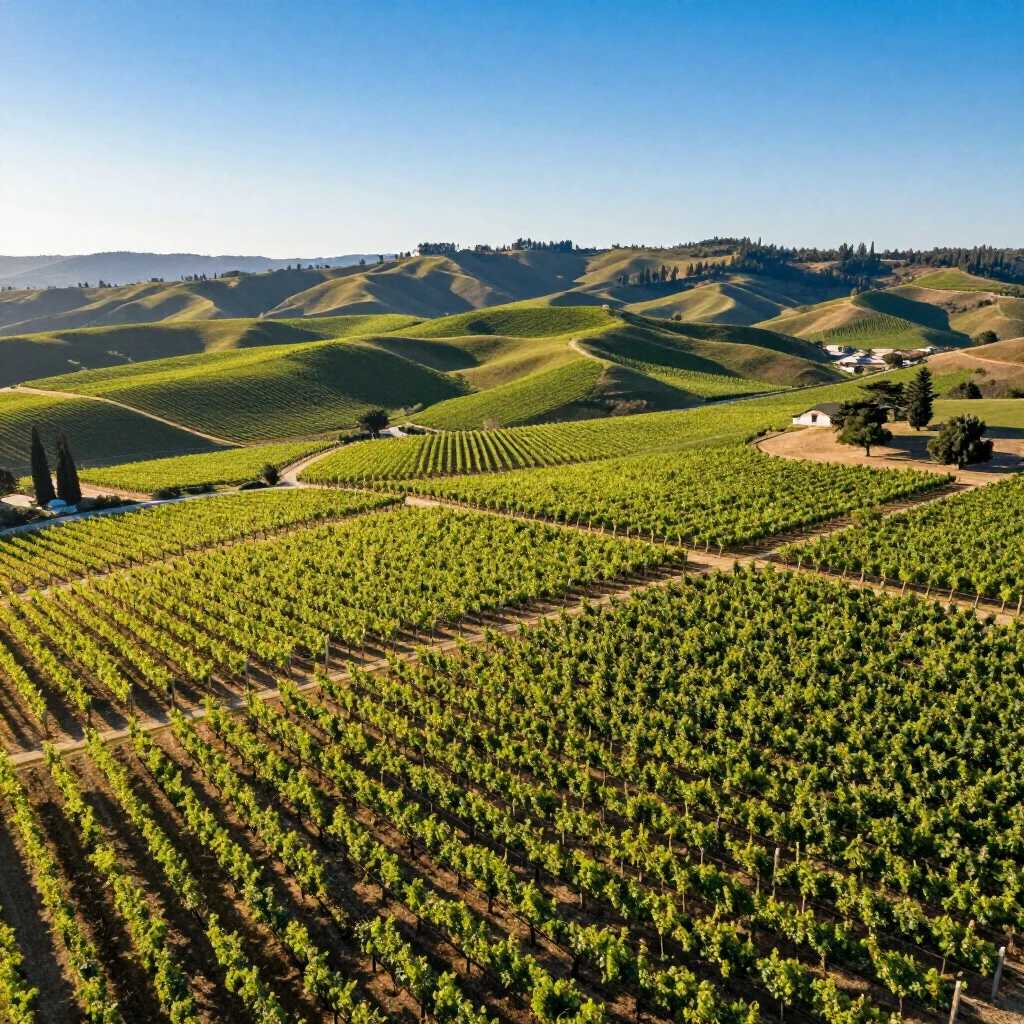
The story starts in the 1800s. Settler George Calvert Yount planted the first grapes in 1839. Soon after, pioneers like John Patchett and Charles Krug built the area's first commercial winery in 1861. These early efforts turned wild land into vineyards. By the 1880s, Napa Valley had hundreds of vineyards and wineries.
German brothers Jacob and Frederick Beringer arrived in the 1870s. They saw the valley's rocky hills and fertile soil as perfect for wine, much like back home. In 1876, they founded Beringer Vineyards. This makes Beringer one of the oldest continuously operating wineries in Napa Valley. Their vision helped shape the region's future.
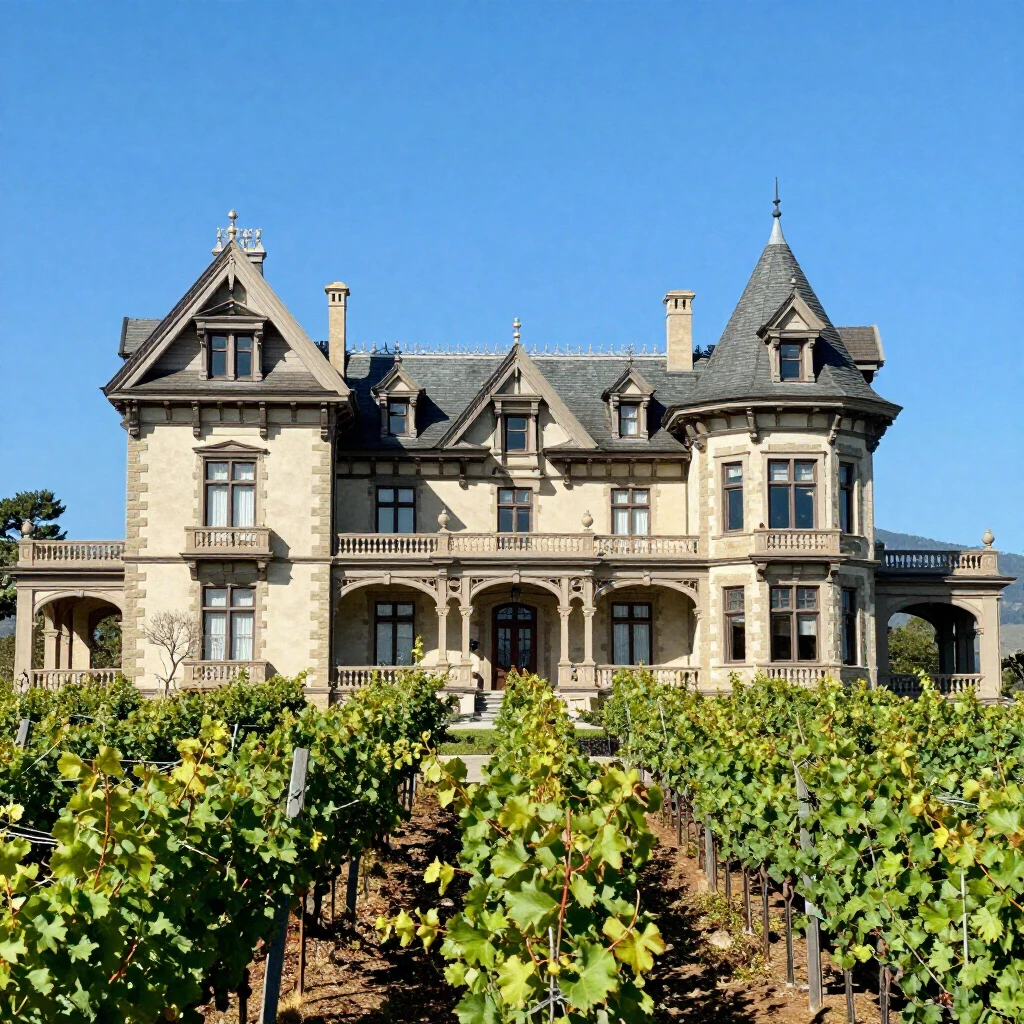
The late 1800s brought big trouble. Phylloxera, a tiny root louse, destroyed over 80% of the vines. Prices dropped due to too many grapes, and then came the Great Depression. The final blow was Prohibition in 1920, which shut down most wineries. Only a few, like Beringer, survived by making sacramental wines.
After Prohibition ended in 1933, recovery was slow but steady. Beringer became the first to offer public tours in 1934, starting Napa's wine tourism tradition. Visionaries like Andre Tchelistcheff brought new techniques, such as cold fermentation and aging in small French oak barrels. These changes improved wine quality and helped define Napa's bold style.
The real breakthrough came in 1976 with the Judgment of Paris. In a blind tasting, Napa Valley wines beat top French ones. Chateau Montelena's Chardonnay and Stag’s Leap's Cabernet Sauvignon took top spots. This event put Napa on the world map and sparked huge growth in wineries and visitors.
Modern winemaking in Napa blends tradition and innovation. Winemakers use sustainable farming, precise grape picking, and advanced tools. They focus on single-vineyard wines to show unique terroir. Cabernet Sauvignon and Merlot lead, but Chardonnay and others thrive too. Today's Napa wines are known for rich fruit, balanced tannins, and elegance.
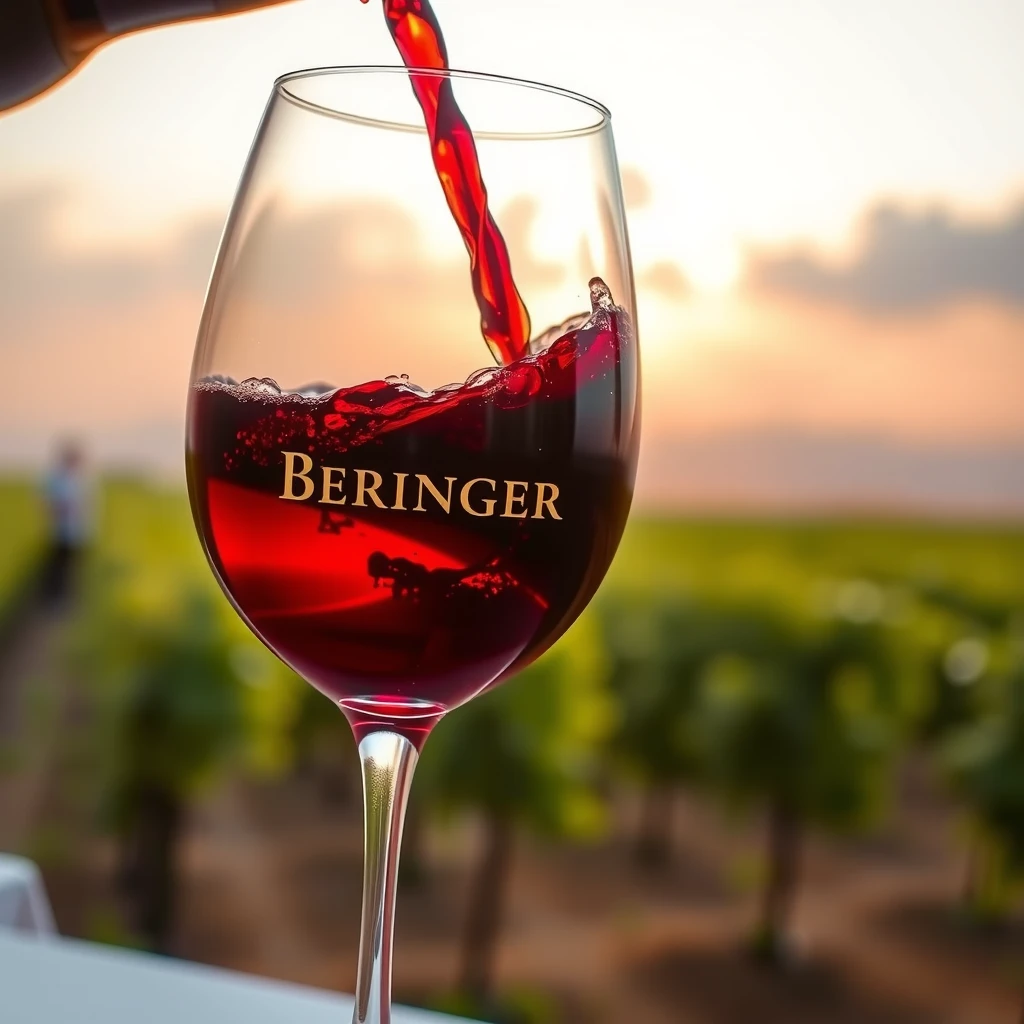
Beringer Merlot Tasting Guide
Beringer Merlot is a great example of Napa's approachable style. Here's how to enjoy it:
- Look: Deep ruby red with purple edges.
- Smell: Ripe plum, black cherry, hints of chocolate and spice.
- Taste: Full-bodied with soft tannins, flavors of blackberry, toasty oak, and dark fruit.
- Pair: Try with grilled steak, burgers, or pasta.
This wine from the historic Beringer brand offers great value and easy drinking.
I've visited Napa many times and always feel the history in every glass. Walking through old cellars or tasting a Beringer Merlot reminds me of the hard work behind each bottle. The region's success comes from people who never gave up, even after disasters.
In summary, The Evolution of Napa Valley Winemaking shows resilience and innovation. From early plantings to global fame, Napa continues to grow. Historic wine brands like Beringer keep the legacy alive while new ideas push it forward. Raise a glass to this incredible story!
For more on this topic, check out these resources: