Judgment of Paris: The Tasting That Changed Wine Forever
The Judgment of Paris: The Tasting That Changed Wine Forever stands as one of the most pivotal moments in modern wine history. On May 24, 1976, British wine merchant Steven Spurrier and Patricia Gallagher organized a blind tasting in Paris to mark the U.S. Bicentennial. French experts judged top Chardonnays and Cabernet Sauvignons from California against renowned French Bordeaux and Burgundy wines. To everyone's shock—especially the judges'—California entries took top spots in both categories.
The white winner was the 1973 Chateau Montelena Chardonnay from Napa Valley. In the reds, the 1973 Stag's Leap Wine Cellars Cabernet Sauvignon edged out legends like Chateau Mouton-Rothschild. This upset proved great wine could come from beyond France.
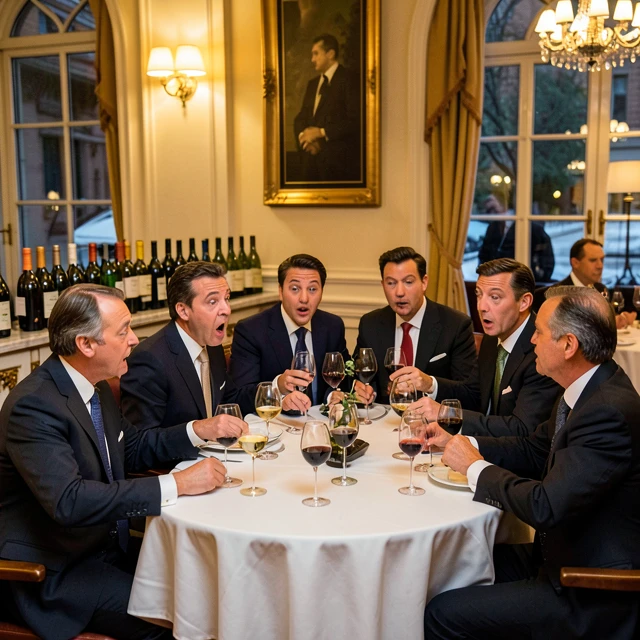
I remember reading about this event years ago and feeling inspired. It showed passion and skill matter more than tradition alone. California winemakers had quietly honed their craft, and the blind format leveled the field.
This tasting sparked huge changes. Investment poured into Napa Valley. New wineries opened, and quality soared. It encouraged producers worldwide—in Chile, Australia, South Africa—to aim higher.
The Evolution of Napa Valley Winemaking
Napa Valley's wine story began long before 1976. Settlers planted vines in the 1800s. George Calvert Yount started in 1839. Charles Krug founded the first commercial winery in 1861.
German immigrants arrived in the 1870s, drawn to the valley's soil and climate. They brought Old World knowledge that shaped early success.
Phylloxera hit in the late 1800s, then Prohibition shut things down in 1920. Many wineries closed, but some survived by making sacramental wine.
After repeal in 1933, revival began slowly. By the 1960s and 1970s, a new generation experimented with better techniques—better vineyard sites, controlled fermentation, oak aging.
The Judgment of Paris proved these efforts paid off. It turned Napa from underdog to star. Today, Napa produces world-class wines, with strict AVA rules protecting quality.
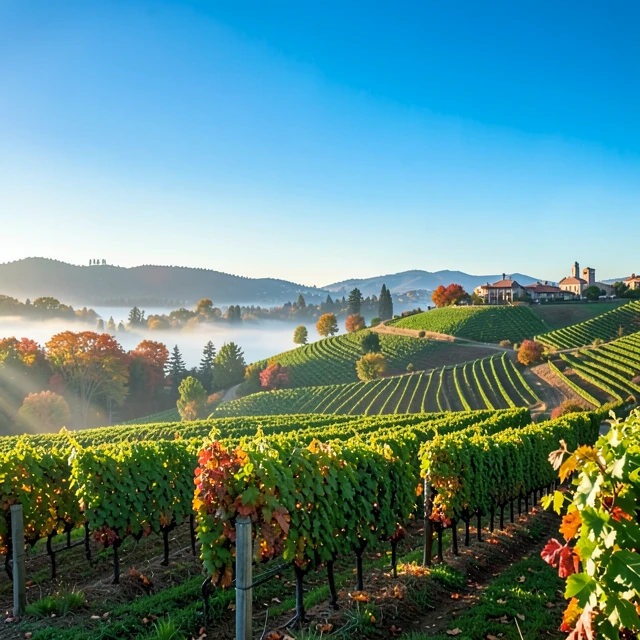
The event also tied into established names like Beringer.
History of Beringer Wines
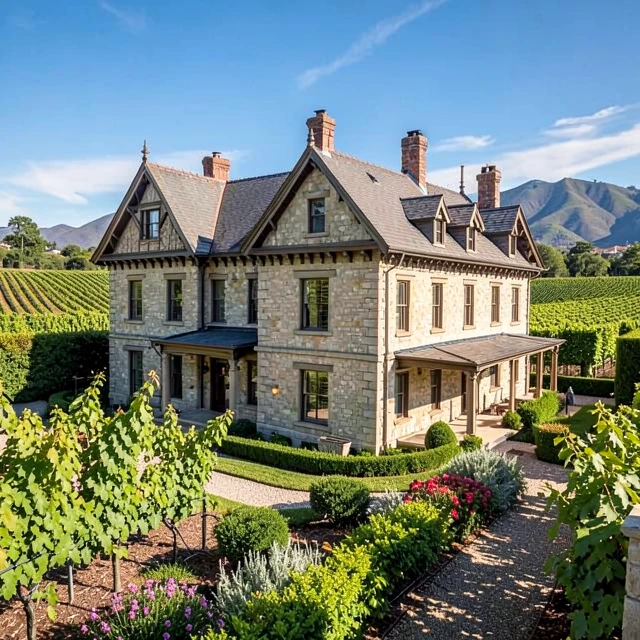
Beringer Vineyards holds a special place in Napa history. German brothers Jacob and Frederick Beringer founded it in 1876. Jacob arrived in 1868, worked at Charles Krug, then bought land in 1875.
They built the winery in St. Helena with Rhine House and aging tunnels dug into hillsides. These features helped during hot summers and even Prohibition—Beringer stayed open longer than most by producing sacramental wines.
Beringer is the oldest continuously operating winery in Napa Valley. It survived challenges and adapted. After Prohibition, it pioneered public tours and tastings in 1934.
Today, under Treasury Wine Estates, Beringer crafts a range of wines. Its legacy shows Napa's enduring spirit.
Beringer connects to everyday enjoyment too.
Beringer Merlot Tasting Guide
Beringer Merlot offers approachable, fruit-forward styles. Many appreciate its balance.
Start with Beringer Founders' Estate Merlot. It shows ripe plum, black cherry, and soft vanilla from oak. Medium body, smooth tannins, great with grilled chicken or pasta.
For something premium, try Beringer Private Reserve or single-vineyard like Bancroft Ranch. These deliver deeper blackberry, dark chocolate, mocha, and spice notes. Firm structure, long finish.
Taste like this:
- Look: Deep ruby color.
- Swirl: See legs for alcohol and body.
- Smell: Black fruit, herbs, subtle oak.
- Sip: Balanced acidity, velvety texture.
- Finish: Lingering fruit and spice.
Pair with steak, burgers, or cheese. Serve at 60-65°F. Decant fuller versions.
Beringer Merlot shows how Napa evolved post-Judgment of Paris—accessible yet refined.
The Judgment of Paris opened doors. It proved New World wines deserve respect. Napa Valley grew into a powerhouse, with pioneers like Beringer leading the way.
This event reminds us wine rewards openness and quality. Next time you open a California bottle, think of that Paris day in 1976. It changed everything.