Innovations in Sustainable Winemaking: Leading the Way to a Greener Future
Overview
Winemaking has come a long way from ancient traditions. Today, innovations in sustainable winemaking help protect the planet while producing high-quality wines. These changes address climate challenges, save resources, and meet growing consumer demand for eco-friendly choices. In this article, we dive into key advancements, historical roots, and practical insights—including efforts by Jackson Family Wines.
The History of Wine: From Ancient Times to Today
People have made wine for thousands of years. Ancient civilizations in Georgia, Mesopotamia, and Egypt fermented grapes as early as 6000 BCE. They used natural methods—wild yeasts, clay pots, and basic farming—that were sustainable by default due to limited technology.
Over centuries, winemaking evolved. The Romans spread vineyards across Europe. Monks in the Middle Ages refined techniques in monasteries. By the 19th century, industrialization brought mechanization, but it also introduced chemicals and heavy resource use.
In recent decades, awareness of environmental issues grew. Climate change, water scarcity, and soil degradation pushed the industry toward sustainability. Modern innovations in sustainable winemaking build on ancient respect for nature while using science to improve outcomes.
Today, sustainable practices focus on three pillars: environmental health, social responsibility, and economic viability. Growers avoid synthetic pesticides, conserve water, and restore ecosystems. This shift makes wine production more resilient.
Key Innovations in Sustainable Winemaking
The wine industry now embraces technology and nature-based solutions. Here are some standout innovations:
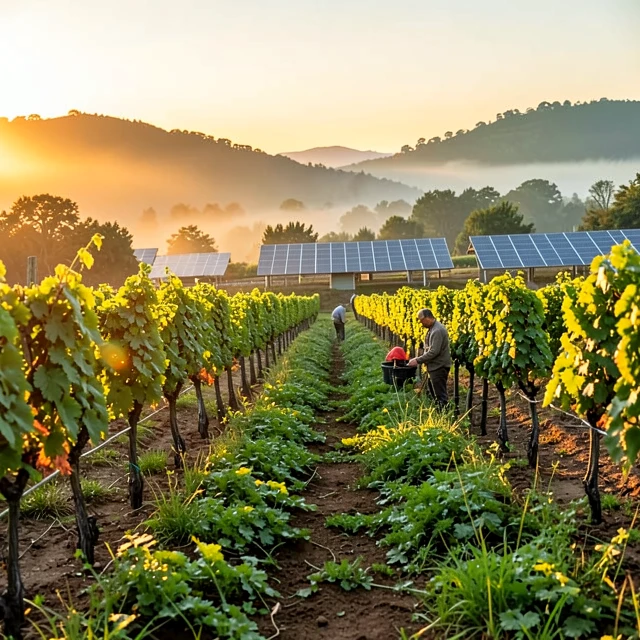
- Regenerative Viticulture: Growers plant cover crops, use compost, and integrate animals to rebuild soil health. This sequesters carbon and boosts biodiversity.
- Precision Agriculture: Sensors and drones monitor soil moisture, vine health, and weather. This allows targeted irrigation and reduces waste.
- Renewable Energy: Solar panels and wind turbines power wineries. Some capture carbon during fermentation.
- Water Conservation: Drip irrigation and recycled water cut usage dramatically.
- Circular Economy Practices: Wineries turn waste into biofuel or compost.
These steps lower emissions and improve wine quality. For example, healthier soils produce grapes with better balance.

According to the California Sustainable Winegrowing Alliance, over 65% of California's winegrape acres now use certified sustainable practices. This shows real progress in a major region.
Another valuable resource is the International Organization of Vine and Wine (OIV) guidelines on sustainable viticulture, which outline global standards for eco-friendly production.
Spotlight on Jackson Family Wines
Jackson Family Wines stands out as a leader. Since 1974, this family-owned group has grown into a global portfolio. Their Rooted for Good plan, launched in 2021, commits to halving carbon emissions by 2030 and becoming climate-positive by 2050—without offsets.
They aim for 100% regenerative farming in estate vineyards by 2030. They generate massive on-site solar energy and source fruit from certified sustainable growers. These efforts reduce environmental impact while maintaining premium quality.
Special editions by Jackson Family Wines highlight their values. Limited releases often feature sustainable storytelling, appealing to eco-conscious collectors. Their approach proves sustainability enhances—not hinders—great winemaking.
A Beginner's Guide to Wine Tasting – With a Sustainable Lens
Want to appreciate sustainable wines? Start with these simple steps:
- Look: Check color and clarity. Sustainable wines often show vibrant hues from healthy grapes.
- Swirl: Release aromas. Note fruit, earth, or herbal notes—terroir shines in eco-friendly wines.
- Smell: Identify scents. Regenerative practices can yield more complex aromas.
- Taste: Sip and note flavors, acidity, tannins, and finish.
- Reflect: Consider the story. Many bottles now include sustainability details on labels.
Try wines from certified producers. Look for seals like Certified California Sustainable Winegrowing. This adds meaning to your tasting.

Actionable Insights for Wine Lovers and Producers
Consumers can support change: - Choose wines with sustainability certifications. - Opt for lighter bottles or alternative packaging to cut transport emissions. - Visit wineries with eco-practices—many offer tours.
Producers can start small: - Test cover crops in one block. - Install soil sensors for better decisions. - Track water and energy use.
These steps build toward bigger impact.
Summary
Innovations in sustainable winemaking blend tradition with forward-thinking solutions. From regenerative fields to renewable power, the industry reduces harm while creating better wines. Leaders like Jackson Family Wines show the path forward. As a consumer, your choices matter. By supporting sustainable options, you help ensure wine endures for generations.