The Science of Terroir: What Makes Wine Unique
Overview
Terroir explains why wines from different places taste so different. It blends natural elements like soil and weather with human skills to create unique flavors. This article uncovers the science behind it all.
What Is Terroir?
People often wonder what sets one wine apart from another. The answer lies in terroir. This French word captures the essence of a place in every sip of wine.
Terroir includes everything from the dirt under the vines to the sun shining above. It shapes the grapes and, in turn, the wine. Winemakers cherish terroir because it gives their products a one-of-a-kind character.
As a wine lover, I've tasted how a Cabernet from Napa differs from one in Bordeaux. It's not just the grape variety—it's the terroir at work.
The Soil's Secret Role
Soil acts as the foundation for great wine. Different types influence how vines grow and what flavors develop in the grapes.
Clay soils hold water well, leading to bold, structured wines. Limestone adds minerality, giving a crisp edge. Sandy soils drain quickly, producing lighter, aromatic varieties.
A study from UC Davis shows how soil affects grape chemistry. Researchers found that soil composition directly impacts acidity and tannins.
Here's a simple table of common soil types and their effects:
| Soil Type | Characteristics | Wine Impact |
|---|---|---|
| Clay | Retains moisture, nutrient-rich | Full-bodied, tannic wines |
| Limestone | Alkaline, good drainage | Mineral notes, high acidity |
| Sand | Quick drainage, low nutrients | Elegant, fruity aromas |
| Gravel | Heat-retaining, well-drained | Concentrated flavors |
These differences highlight the science of terroir: what makes wine unique starts from the ground up.
Climate Shapes the Flavor
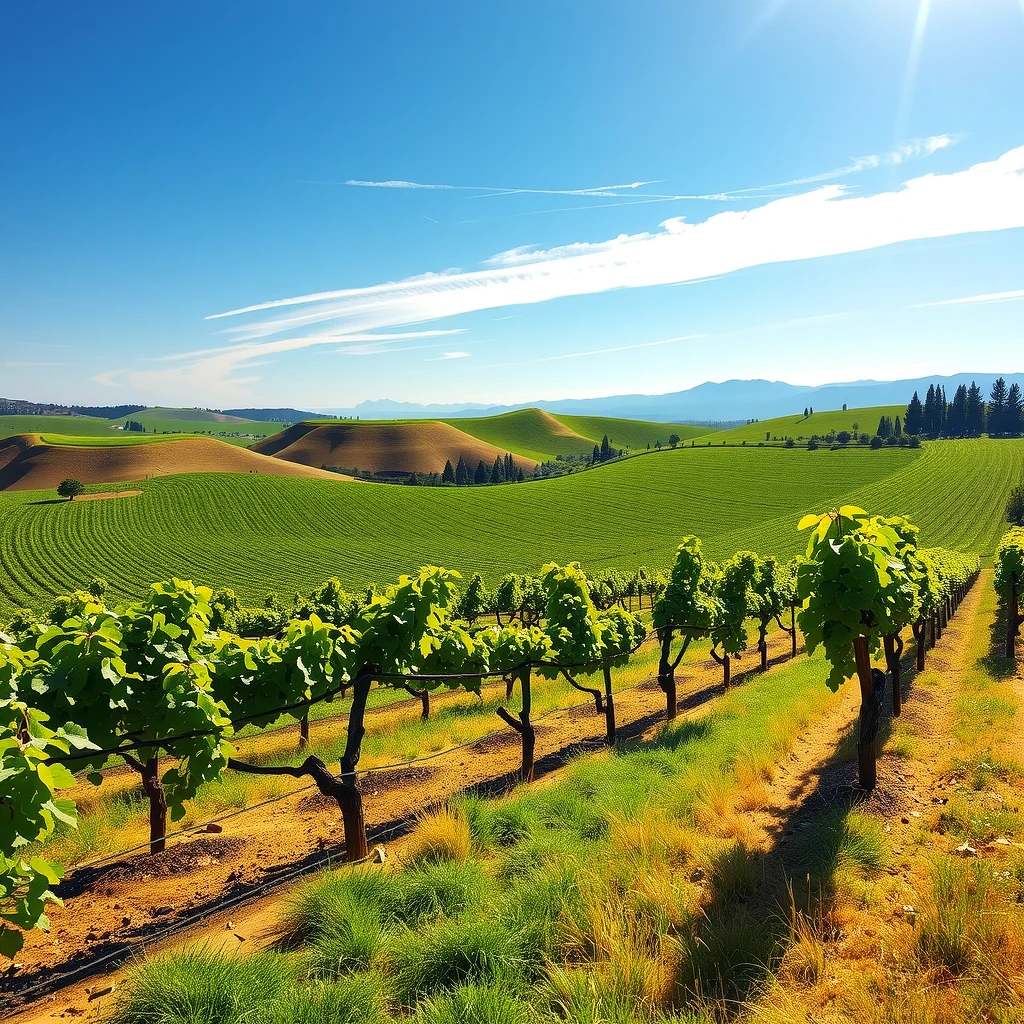
Weather plays a starring role in terroir. Temperature, rainfall, and sunlight dictate how grapes ripen.
Cool climates slow ripening, preserving acidity for fresh, zesty wines. Warm areas speed it up, creating richer, fruit-forward profiles.
Wind and fog also matter. They cool vines and prevent disease, adding complexity.
Personal insight: During a trip to California's coast, I saw how morning fog influences Pinot Noir. It keeps grapes cool, leading to those delicate strawberry notes.
Climate change poses challenges, altering traditional terroirs. Winemakers adapt by planting at higher elevations or trying new varieties.
The Hidden World of Microbes
Beneath the surface, tiny organisms drive much of terroir's magic. Bacteria and fungi on grapes and in soil contribute to unique tastes.
Research from the National Institutes of Health highlights how soil microbes impact wine taste and quality. These microbes ferment sugars differently, creating distinct aromas.
For instance, yeast strains vary by region, turning the same grape into wildly different wines.
A list of key microbial influences: - Bacteria: Affect acidity and mouthfeel. - Fungi: Contribute to earthy notes. - Yeast: Drive fermentation flavors like fruit or spice.
Human Touch in Viticulture
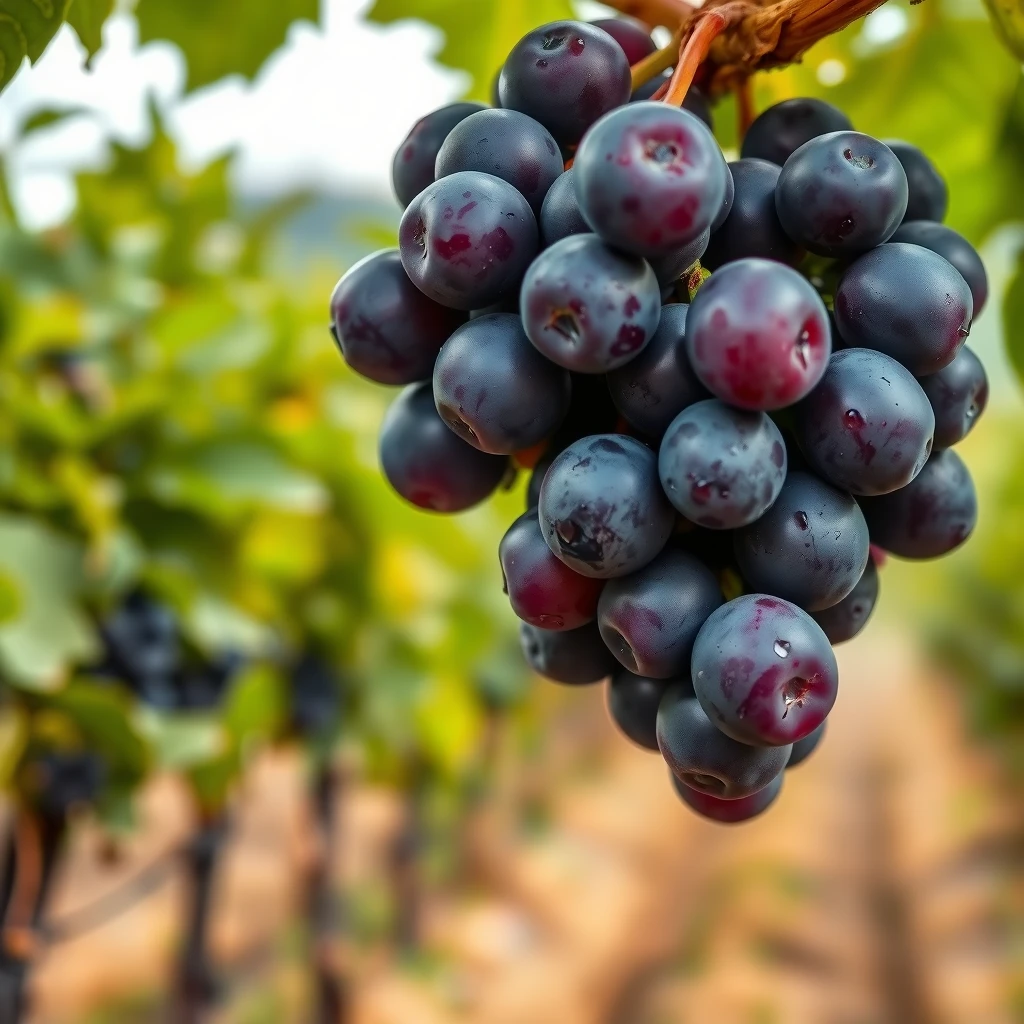
People aren't separate from terroir—they're part of it. Farmers choose how to prune vines, when to harvest, and more.
Sustainable practices enhance natural elements. Organic farming lets soil microbes thrive, boosting authenticity.
Winemaking techniques seal the deal. Fermentation choices can highlight or mute terroir's voice.
The role of terroir in wine quality shines when humans respect nature's lead.
Case Study: Beringer Wine Production Process
Take Beringer, a Napa Valley icon. Their approach showcases terroir beautifully.
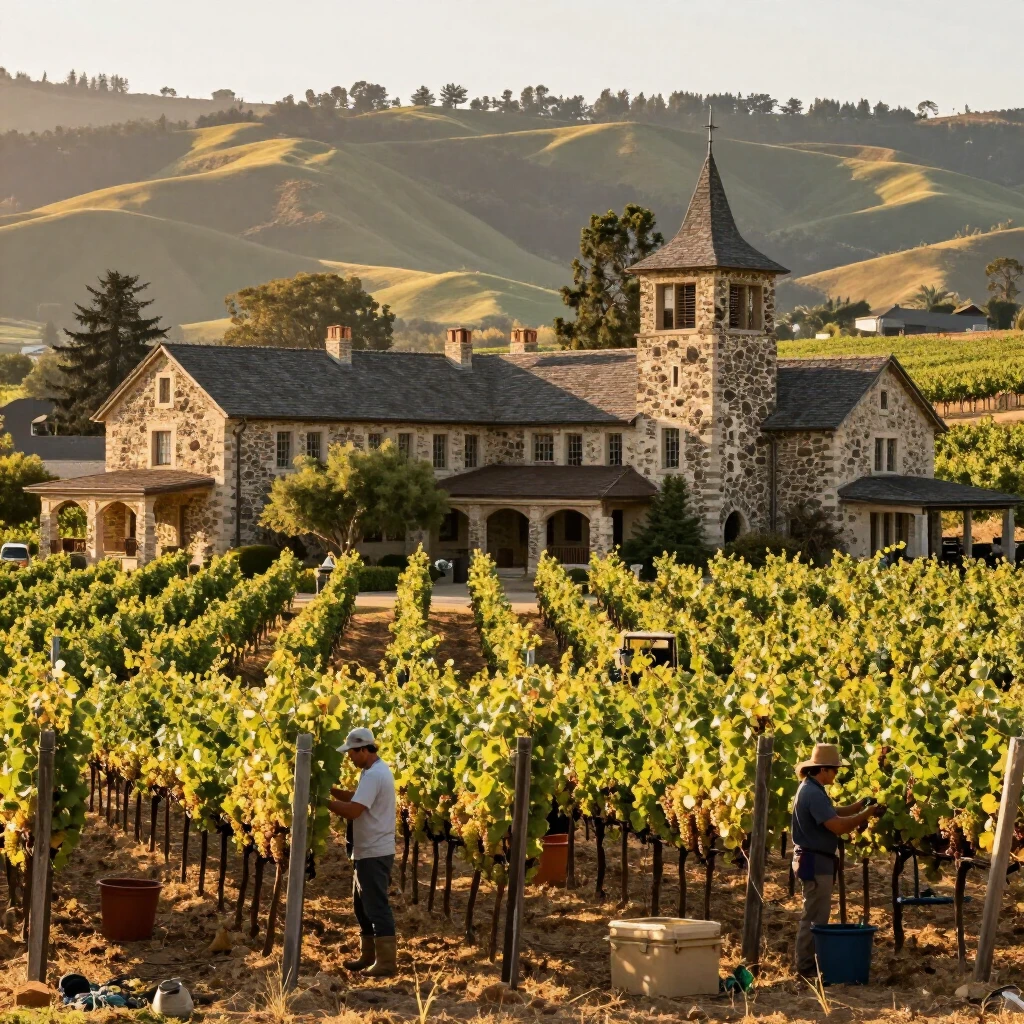
Beringer sources grapes from diverse vineyards, each with unique soils and microclimates. In the Beringer wine production process, they hand-pick fruit at peak ripeness to capture essence.
They use gravity-flow methods in historic cellars, minimizing intervention. This lets Napa's sunny days and cool nights shine through.
I've enjoyed Beringer's Knights Valley Cabernet—its bold blackberry flavors scream local terroir. Beringer proves how blending science and tradition elevates wine.
Challenges to Traditional Terroir
Modern issues test terroir's resilience. Pollution and urbanization alter soils.
Global warming shifts growing zones. Some regions adapt, while others struggle.
Yet, innovation helps. Precision agriculture uses data to optimize conditions, preserving uniqueness.
As explained in Understanding Wine Terroir by Wine Enthusiast, both nature and nurture define quality.
Measuring Terroir's Impact
Scientists use tools like DNA sequencing to map microbial patterns. A UC Davis study revealed regional bacterial signatures on grapes.
Chemical analysis spots unique compounds tied to places. This proves terroir isn't myth—it's measurable.
For wine fans, it means appreciating bottles as snapshots of their origins.
Why Terroir Matters to You
Understanding terroir enhances enjoyment. Next time you sip, think about the journey from vine to glass.
It encourages exploration. Try wines from varied regions to taste differences firsthand.
Actionable tip: Host a tasting comparing same-grape wines from different areas. You'll see terroir in action.
Summary
The science of terroir: what makes wine unique boils down to a perfect mix of nature and human effort. From soil microbes to climate patterns, each element crafts irreplaceable flavors. Embrace it to deepen your wine appreciation.