The History of Napa Valley Wineries
A Quick Overview of Napa Valley's Wine Legacy
Napa Valley has grown from humble grape plantings in the 1800s to a world-famous wine region with over 400 wineries. Pioneers faced challenges like pests and Prohibition, but their hard work built a foundation that shines today. This history of Napa Valley wineries shows resilience, innovation, and a passion for great wine.
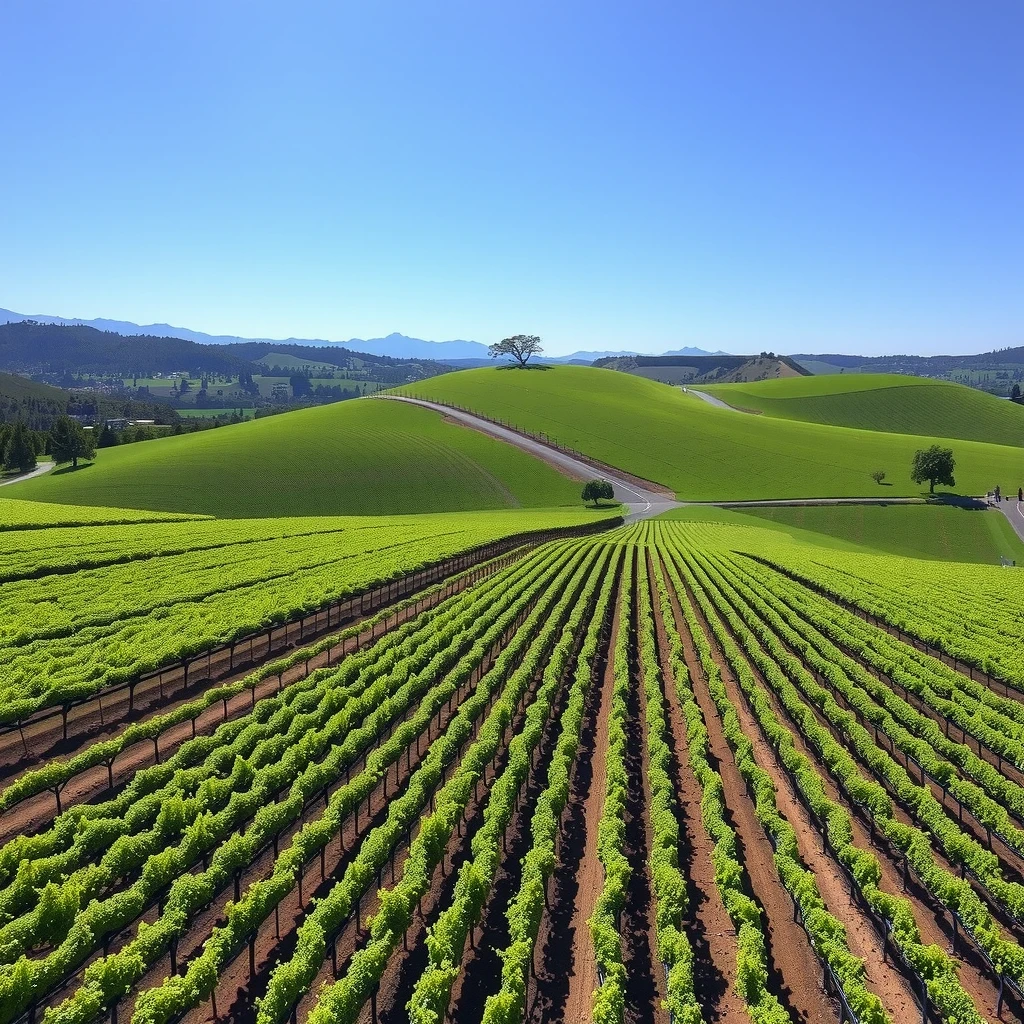
The story starts in the early 19th century. George C. Yount planted the first grapes here in 1839, naming the area after the local Wappo people's word for 'plenty.' But real growth came later.
In 1861, Charles Krug opened the valley's first commercial winery. Soon, others followed. Immigrants from Europe brought skills and dreams. They saw the rocky soil and mild climate reminded them of home regions like Germany's Rhine Valley.
Boom Times in the Late 1800s
By the 1870s and 1880s, Napa Valley boomed. Hundreds of wineries popped up. One standout was Beringer Vineyards.
Spotlight: The History of Beringer Vineyards
Brothers Jacob and Frederick Beringer founded Beringer in 1876. Jacob came from Germany, drawn by stories of California's potential. They built the winery in St. Helena and dug caves by hand into the hillside for aging wine. Beringer became the oldest continuously operating winery in Napa Valley, even staying open during Prohibition by making sacramental wine.
Today, Beringer stands as a top name among wine brands. Its historic Rhine House, a beautiful Victorian mansion, welcomes visitors for tours and tastings.
Beringer wine tasting notes often highlight rich Cabernet Sauvignons with dark fruit flavors like blackberry and cassis, smooth tannins, and hints of oak from barrel aging. Their Chardonnays show crisp apple and tropical notes. Visiting Beringer feels like stepping back in time while enjoying modern quality.
Setbacks and Recovery
The good times didn't last forever. In the late 1880s, phylloxera—a tiny pest—destroyed many vines across California. Then came Prohibition in 1920, banning alcohol sales. Most wineries closed. Only a few, like Beringer, survived.
After Prohibition ended in 1933, recovery was slow. The Great Depression hurt sales. But dedicated families rebuilt.
In 1944, seven wineries formed the Napa Valley Vintners association to promote the region together. This group now includes over 500 members and supports community efforts.
| Key Events in Napa Valley Wine History |
|---|
| 1839: First grapes planted by George Yount |
| 1861: Charles Krug opens first commercial winery |
| 1876: Beringer Vineyards founded |
| 1880s: Phylloxera devastates vines |
| 1920-1933: Prohibition era |
| 1976: Judgment of Paris tasting puts Napa on the world map |
| 1981: Napa Valley becomes California's first AVA |
The Modern Era and Global Fame
The real turning point came in 1976. At the Judgment of Paris blind tasting, Napa wines beat French ones. A Cabernet from Stag's Leap Wine Cellars and a Chardonnay from Chateau Montelena won top spots. This shocked the wine world and boosted Napa's reputation.
In 1981, Napa Valley earned official AVA status, recognizing its unique growing conditions. Today, it has 16 sub-AVAs, each with distinct soils and climates.
Winemakers focus on quality. Cabernet Sauvignon rules here, producing bold, age-worthy reds. But you'll also find excellent Chardonnay, Merlot, and more.
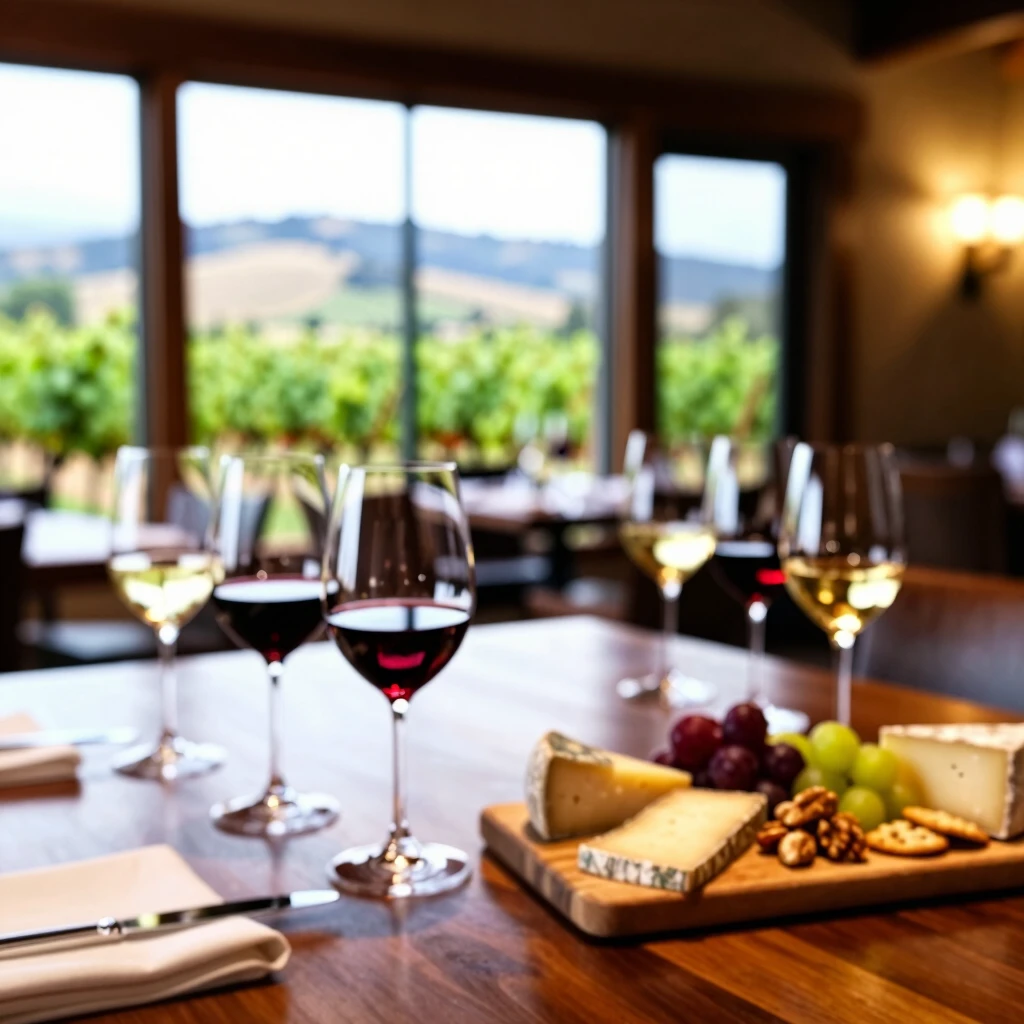
I've visited Napa several times, and it's magical. Walking through old caves at places like Beringer, you feel the history. Tasting a glass of their Private Reserve Cabernet—full of plum, spice, and velvet texture—makes you appreciate the journey.
Napa teaches us that great wine comes from hard work, smart choices, and respect for the land. Many wineries now use sustainable practices to protect this beautiful place.
Why Napa Stands Out Today
With over 400 wineries, mostly family-owned, Napa offers something for everyone. From historic spots to new innovators, the focus stays on excellence.
Plan a visit to experience it yourself. Start with classics like Beringer for history and great tastes. You'll leave with stories, new favorite wines, and a deeper love for this special valley.
The history of Napa Valley wineries proves that challenges can lead to greater strength. From early settlers to today's masters, they've created a legacy of world-class wine.
Sources: - Napa Valley Vintners: History of Napa Valley – Detailed timeline from the official trade association. - Official Napa Valley Tourism: History Overview – Insights into key events and pioneers. - Beringer Vineyards Official Site: Pioneer in Napa – Authentic history of Beringer from the winery itself.