How Jackson Family Wines Became a Global Brand
Overview
Jackson Family Wines started as a humble vineyard in California and grew into a global powerhouse. Today, this family-owned company produces millions of cases of wine each year, with over 40 wine brands from vineyards across the world. Their story shows how passion, smart choices, and care for the land can turn a small dream into a big success.

Jess Jackson, a lawyer from San Francisco, bought an 80-acre pear and walnut orchard in Lake County, California, in 1974. He replanted it with Chardonnay grapes. At first, he sold the grapes to other wineries. But in 1982, he decided to make his own wine.
That year, he released the first Kendall-Jackson Vintner's Reserve Chardonnay. It had a rich, buttery taste that people loved. Soon, it became America's top-selling Chardonnay. This wine put Jackson Family Wines on the map.
Jess worked with his family, including his wife Barbara Banke. They focused on quality. Jess believed great wines come from great vineyards, especially on hillsides and coastal areas where grapes grow best.
By the 1990s, the company expanded in California. They bought land in Sonoma, Napa, Monterey, and Santa Barbara. They started new wineries like Cambria in 1986 and La Crema in 1993.
Key Milestones in California Expansion
- 1986: Established Cambria Estate Winery in Santa Maria Valley.
- 1989: Launched Stonestreet Winery in Alexander Valley.
- 1993: Acquired La Crema, boosting Pinot Noir production.
- 1998: Created Vérité, a luxury Bordeaux-style blend brand.
These moves helped Jackson Family Wines offer a wide range of wines, from affordable favorites to high-end bottles.
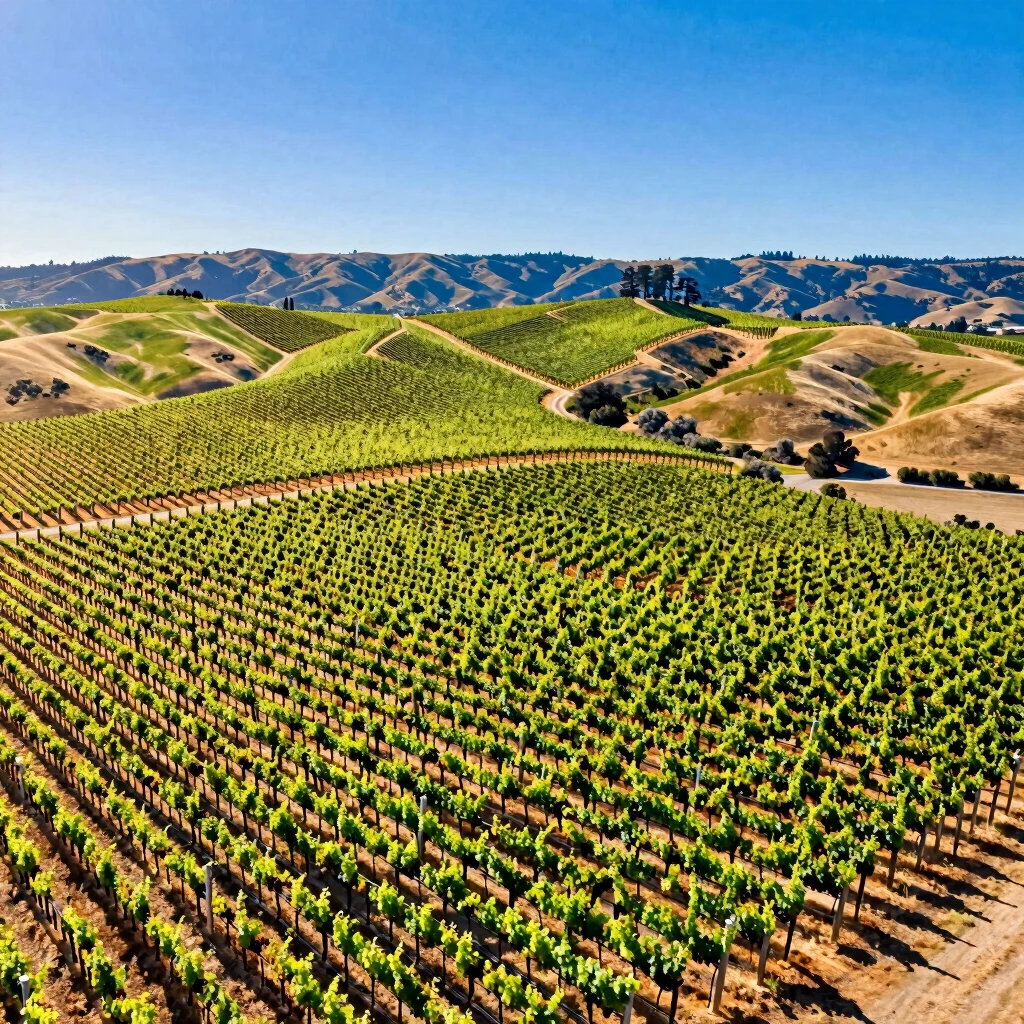
The big leap came in the 2000s. Jackson Family Wines went international to find the best places for specific grapes.
In 2000, they bought land in Australia's McLaren Vale and renamed it Yangarra Estate Vineyard. In 2003, they purchased Château Lassègue in Bordeaux, France. Later, they added properties in Italy's Tuscany, Chile, South Africa, and Oregon's Willamette Valley for Pinot Noir.
Today, Jackson Family Wines owns vineyards in eight countries. They control thousands of acres, focusing on cool coastal regions. This global approach lets them make wines that show the unique taste of each place, called terroir.
One big reason for their growth is commitment to sustainability. The family invests in renewable energy, water saving, and healthy soil.
In 2021, they launched 'Rooted for Good,' a 10-year plan to fight climate change. They co-founded International Wineries for Climate Action to help the whole industry go green. Learn more about their efforts in this Wine Spectator article on Jackson Family Wines' climate initiatives.
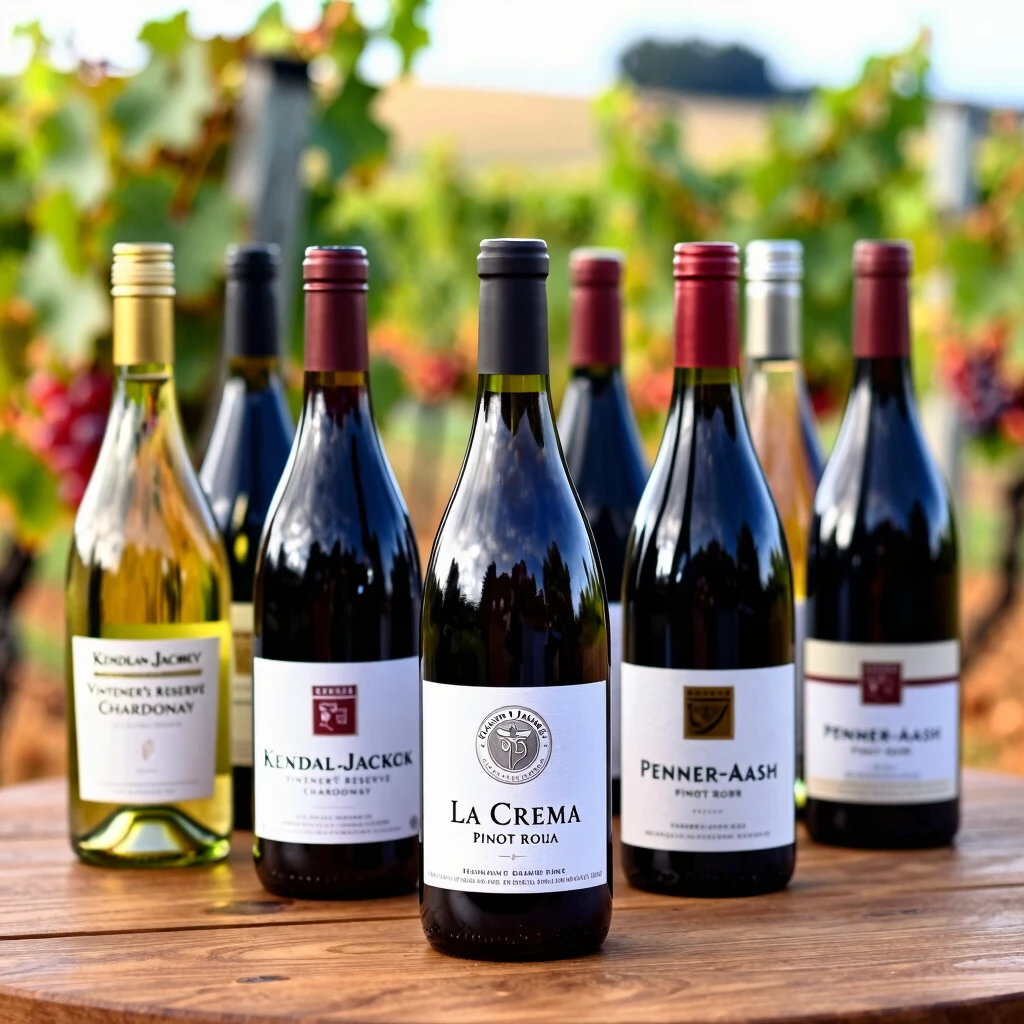
Quality stays at the heart of everything. Each winery keeps its own style, with winemakers free to follow their ideas. Popular wine brands include Kendall-Jackson, La Crema, Hartford Court, Penner-Ash, and Freemark Abbey.
After Jess passed away in 2011, Barbara Banke took the lead. The next generation, including daughters Katie and Julia, now helps run the company. They keep the family values alive while growing the business.
As noted in Wine Spectator's profile on the family's generational success, the Jackson family continues to build on Jess's legacy.
Jackson Family Wines sells about 6 million cases a year, making it one of the top U.S. wine producers. They export to many countries and partner with groups like the NBA for visibility.
What can we learn from their story? Focus on quality over quantity at first. Expand thoughtfully to new places. Care for the environment—it pays off long-term. And keep it family-run for real passion.
For more on sustainable practices, check this Wine Enthusiast piece on women in winemaking at Jackson Family Wines.
Summary
How Jackson Family Wines became a global brand is a tale of vision and hard work. From one vineyard to worldwide estates, they built success on great wines, smart growth, and responsibility. Their future looks bright as the family carries on the tradition.