Embracing Sustainable Winemaking Practices for a Better Future
A Greener Glass: The Rise of Sustainable Winemaking
Sustainable winemaking practices are changing how we grow grapes and make wine. These methods protect the environment, support communities, and ensure wineries thrive for years to come. In this guide, we dive into what makes wine sustainable and why it matters to you as a wine lover.
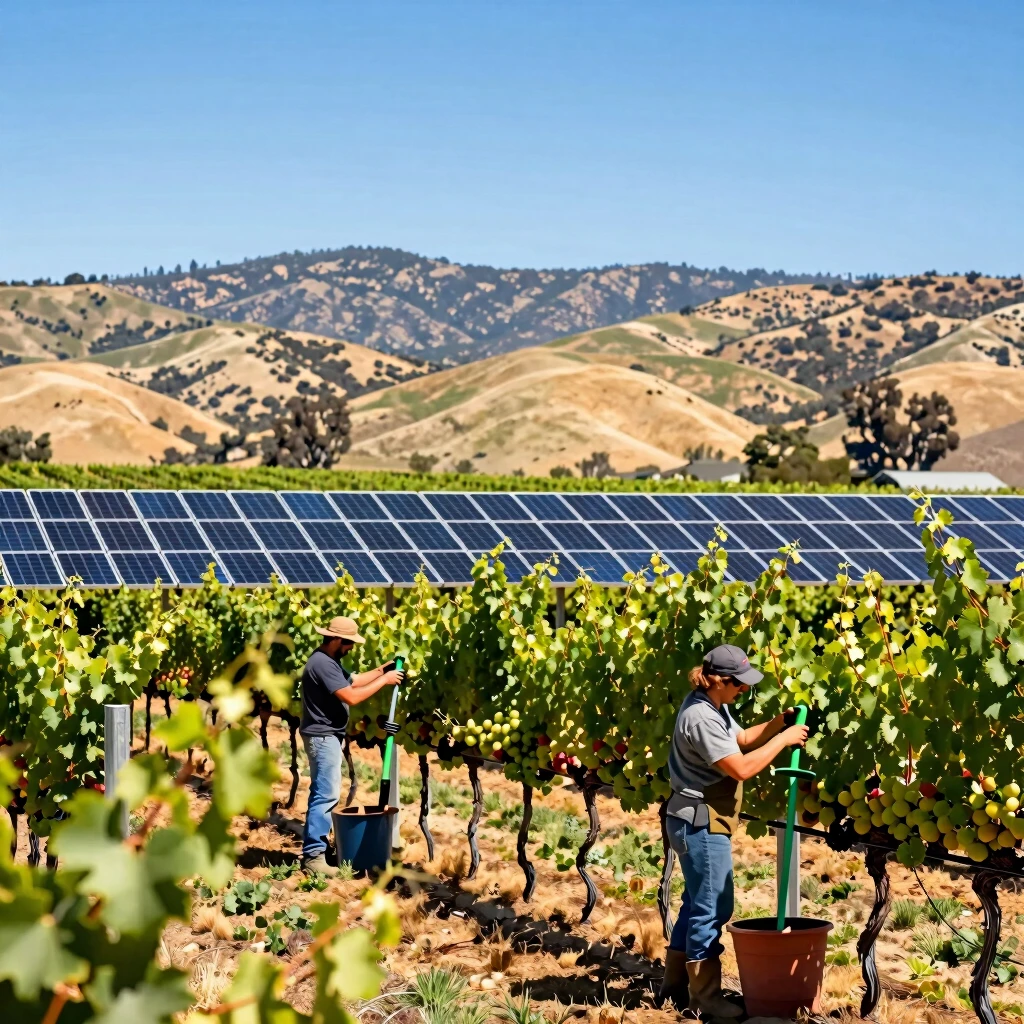
Winemakers today focus on three key areas: the planet, people, and profit. They use approaches that are good for nature, fair to workers, and smart for business.
I remember my first visit to a sustainable vineyard in Napa Valley. The air felt cleaner, birds were everywhere, and the winemaker explained how they avoided harsh chemicals. It made the wine taste even better knowing it came from healthy land.
Key Practices in the Vineyard
Healthy soil is the foundation. Winemakers add compost and plant cover crops to keep soil rich and prevent erosion. This builds natural fertility without synthetic fertilizers.
- Use natural pest control like owls and beneficial insects
- Plant native flowers to boost biodiversity
- Reduce tillage to protect soil structure
These steps help vines grow strong naturally.
Water is precious, especially when discovering California wine regions like Sonoma or Paso Robles, where droughts can hit hard. Sustainable growers use drip irrigation and soil sensors to deliver just the right amount of water.
According to the California Sustainable Winegrowing Alliance, over 40% of California's winegrape acres are now certified sustainable, leading to major water savings.
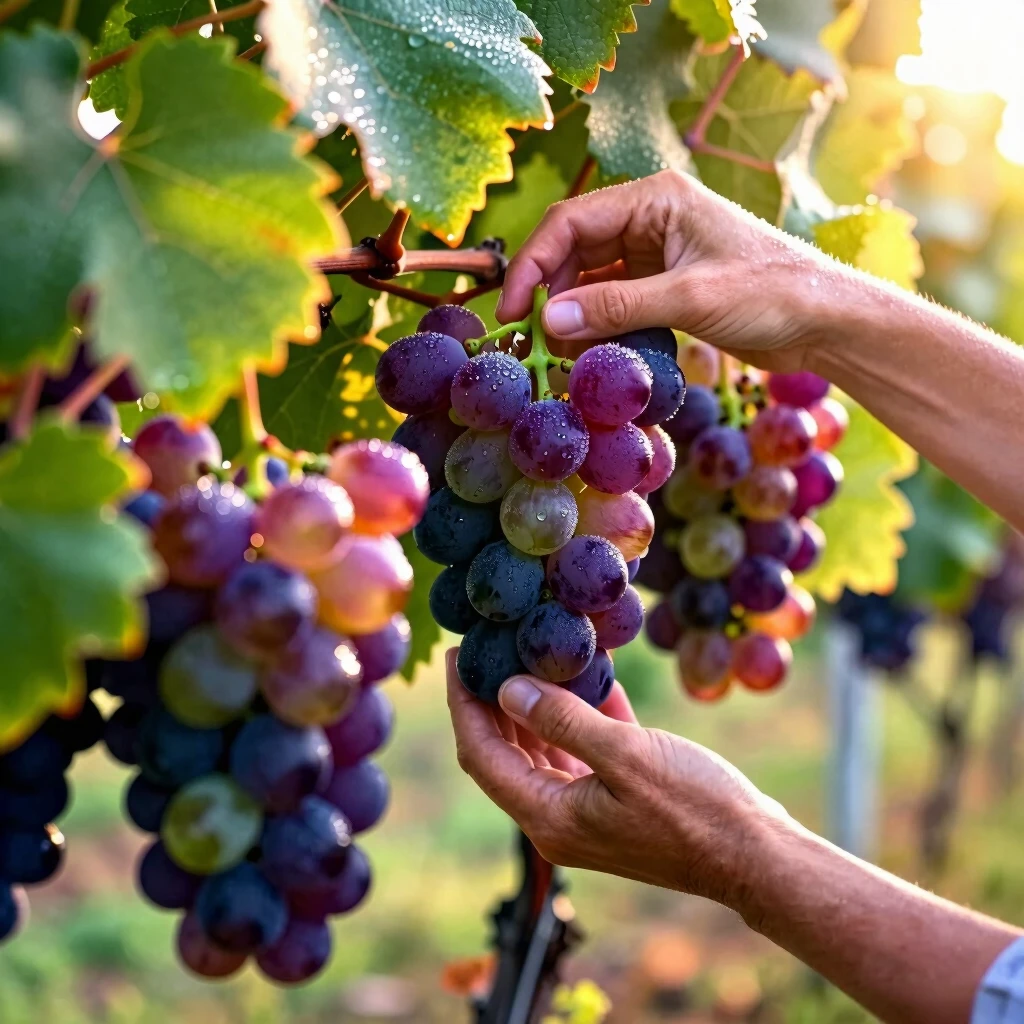
In the Winery: Reducing Impact
Energy use drops with solar panels and efficient equipment. Many wineries recycle water and lighten bottles to cut shipping emissions.
Jackson Family Wines leads here. They power much of their operations with renewables and aim for regenerative farming by 2030, as outlined in their Rooted for Good sustainability roadmap.
Waste gets a second life too. Grape skins and stems turn into compost or even health supplements.
Social responsibility matters just as much. Fair wages, safe working conditions, and community support build stronger teams.
Certifications like Certified California Sustainable Winegrowing provide third-party checks. They ensure practices meet high standards for environment and equity.
Benefits You Can Taste
Sustainable grapes often produce more expressive wines. Healthier vines handle stress better, leading to balanced flavors.
Studies show these practices can lower carbon footprints while maintaining quality. For example, regenerative methods store carbon in soil, fighting climate change.
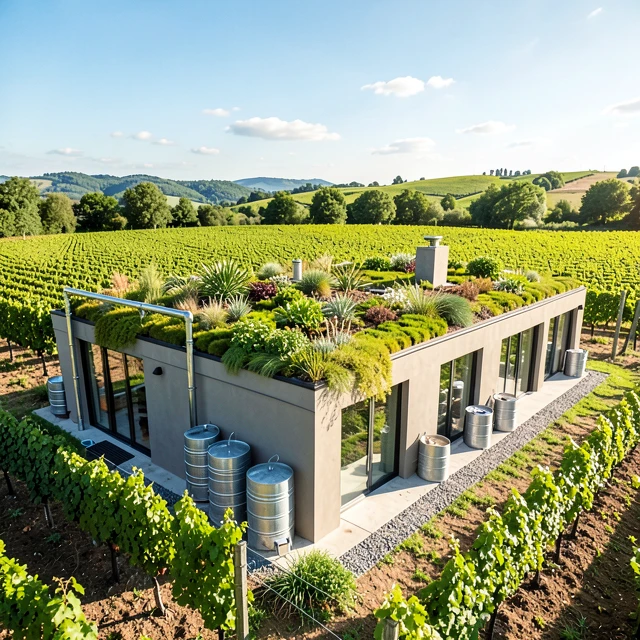
Discovering California Wine Regions Sustainably
California leads in sustainable winemaking practices. From cool coastal areas to warm inland valleys, regions adapt methods to their land.
When exploring, look for certified labels. Many offer tours showing solar setups or owl boxes in action.
How to Taste Wine Like a Pro
Enjoying sustainable wines starts with proper tasting:
- Look at the color and clarity
- Swirl and smell the aromas
- Sip and note flavors and texture
- Consider the finish
Practice reveals nuances from careful growing.
Wine and Cheese: A Match Made in Heaven
Pairing elevates both. Try:
- Crisp Sauvignon Blanc with goat cheese
- Bold Cabernet with aged cheddar
- Pinot Noir with brie
Sustainable wines often shine brighter with simple, fresh foods.
Pairing Food with Jackson Family Wines
Jackson Family Wines offers versatile options. Their Chardonnay pairs beautifully with grilled chicken or creamy pasta. Kendall-Jackson Vintner's Reserve Cabernet loves steak or dark chocolate.
These wines come from certified sustainable sources, so you enjoy great taste with a clear conscience.
Sustainable winemaking practices prove we can enjoy wine today without harming tomorrow. By choosing certified bottles, you support healthier planet and communities.
Next time you pour a glass, think about the care behind it. Cheers to a sustainable future!