Exploring Napa Valley Wine History: From Pioneers to World-Class Fame
A Quick Look at Napa Valley Wine History
Napa Valley wine history spans over 180 years. It started with simple grape plantings in the 1800s and grew into one of the world's top wine regions. Today, it boasts bold Cabernets and elegant Chardonnays that rival the best from Europe.
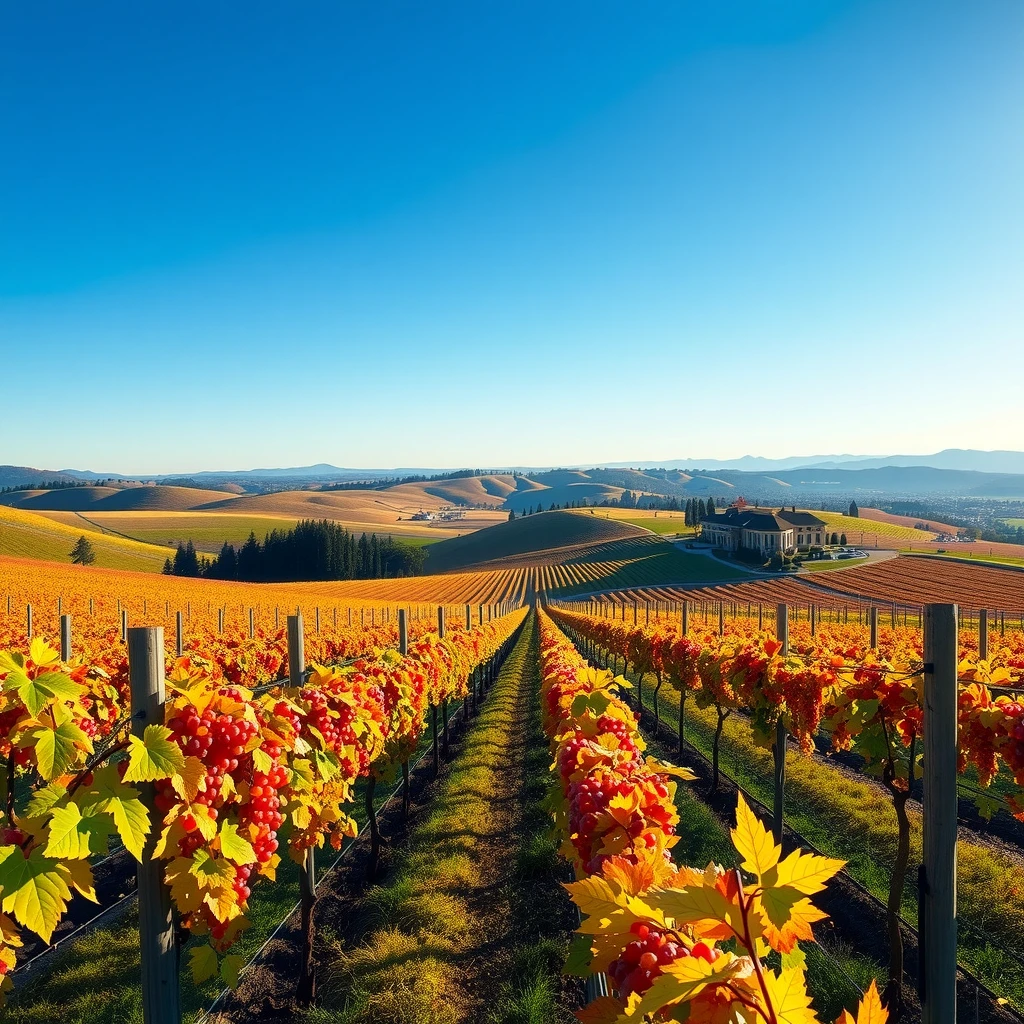
The story begins in the early 19th century. Native Americans, like the Wappo, lived in the valley for thousands of years, enjoying its fertile land. European settlers arrived later.
In 1839, George Calvert Yount planted the first wine grapes here. He saw the potential in the sunny valleys and rich soil. Soon after, others followed his lead.
By the 1860s, things picked up speed. Charles Krug opened the first commercial winery in 1861. Immigrants from Europe brought their winemaking skills. German brothers Jacob and Frederick Beringer founded Beringer in 1876. It's now the oldest winery still running without a break in Napa Valley.
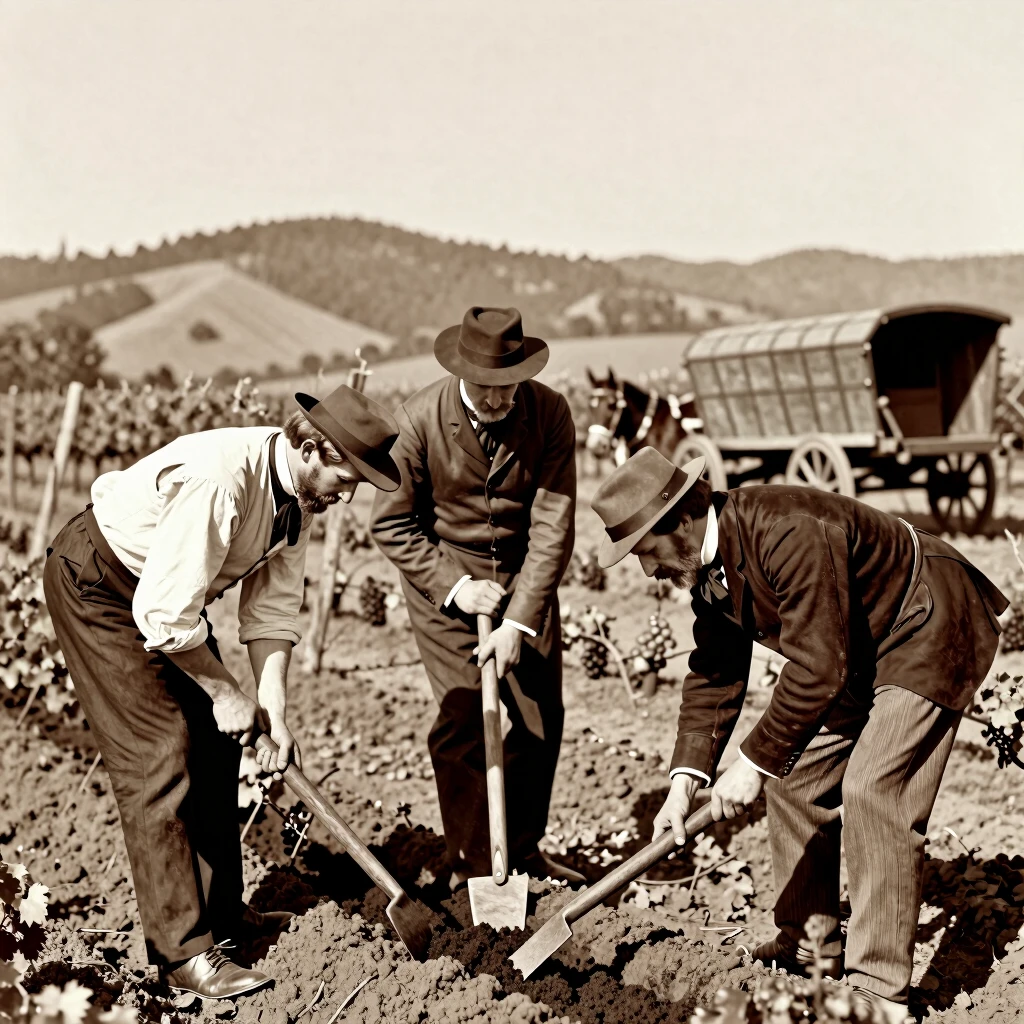
The late 1800s was a boom time. Wineries like Schramsberg and Inglenook popped up. Napa wines won awards at international fairs. People talked about how the climate—warm days, cool nights from bay fog—made perfect grapes.
But trouble came fast. In the 1890s, phylloxera hit. This tiny insect destroyed roots and wiped out over 80% of the vines. Many farmers switched to prunes and walnuts to survive.
Then, in 1920, Prohibition started. It banned alcohol sales for 13 years. Most wineries closed. A few, like Beringer, stayed open by making wine for churches. The industry almost vanished.
After Prohibition ended in 1933, recovery was slow. The Great Depression didn't help. But dedicated families rebuilt. Beringer started public tours in 1934, kicking off wine tourism we enjoy today.
In 1944, seven wineries formed the Napa Valley Vintners group. They worked together to improve quality and promote the area.
The real turnaround came in the 1960s and 1970s. Visionaries like Robert Mondavi opened new wineries focused on premium wines. They experimented with better techniques.
Then, in 1976, the Judgment of Paris happened. In a blind tasting in France, Napa wines beat top French ones. Stag's Leap Cabernet and Chateau Montelena Chardonnay took first places. The world took notice.
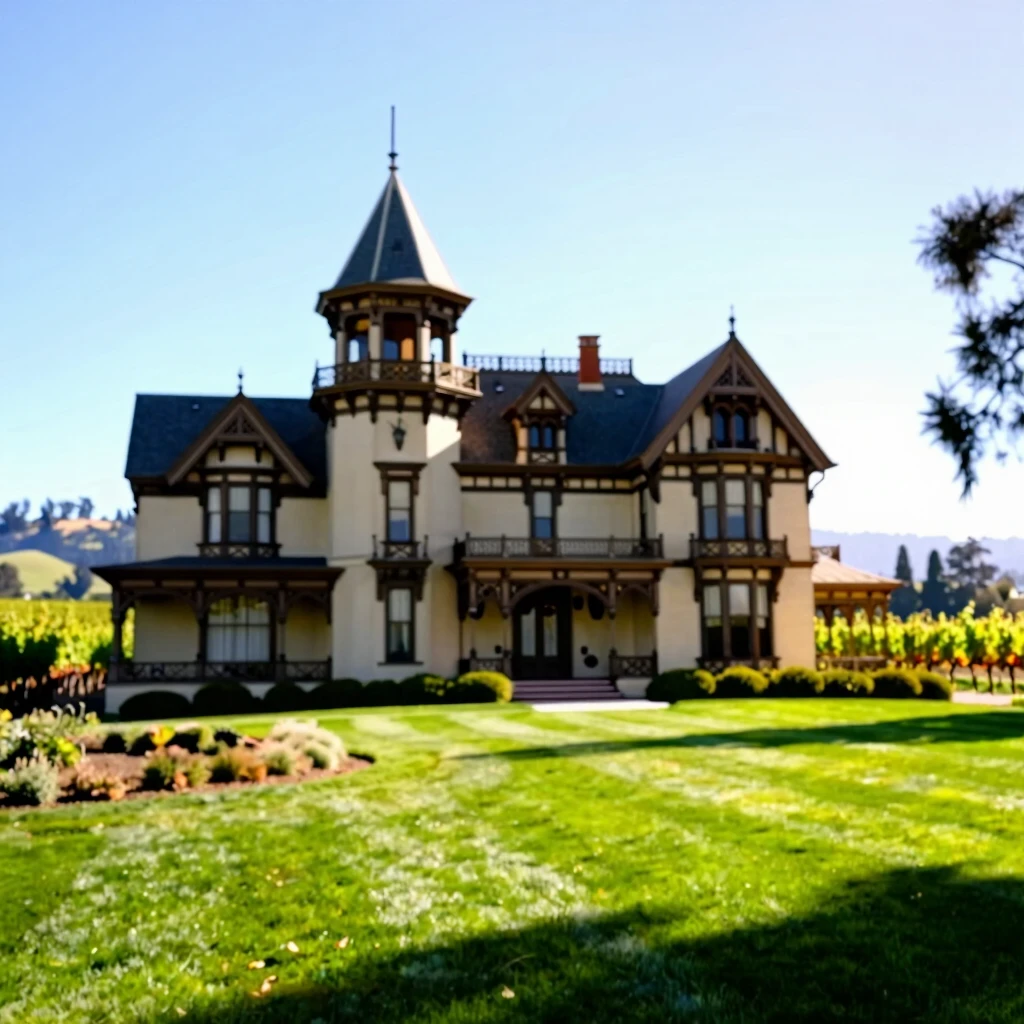
This win boosted confidence. More people invested. Wineries grew from dozens to hundreds. In 1981, Napa Valley became California's first official AVA, or American Viticultural Area. It protected the name and highlighted its unique terroir.
Today, Napa has over 450 wineries. Famous wine brands include Opus One, Screaming Eagle, and classics like Beringer. Beringer wine reviews often praise their Private Reserve Cabernet for its rich flavors of black fruit and smooth finish.
I've tasted Beringer wines myself on visits. Their Knights Valley Cabernet stands out—bold yet balanced, with notes of cherry and spice. It's a great example of how history meets modern skill.
Key Moments in Napa Valley Wine History
Here's a simple timeline to see the ups and downs:
- 1839: First grapes planted by George Yount
- 1861: Charles Krug starts first commercial winery
- 1876: Beringer founded, still operating today
- 1890s: Phylloxera devastates vines
- 1920-1933: Prohibition shuts most wineries
- 1976: Judgment of Paris puts Napa on the map
- 1981: Napa Valley gets AVA status
These events shaped the resilient spirit of Napa growers.
Napa Valley wine history teaches us about perseverance. Pioneers faced bugs, bans, and economic slumps, but they kept going. Now, the valley produces just 4% of California's wine but some of the finest bottles.
If you're planning a trip, focus on quality over quantity. Taste at historic spots like Beringer for a real feel of the past. Pair wines with local food—fresh cheeses or grilled meats bring out the best flavors.
Napa continues to evolve. Winemakers now emphasize sustainable farming. Climate challenges loom, but innovation keeps the region thriving.
From humble starts to global stardom, Napa Valley wine history inspires every glass you pour.