The History of Beringer: From Humble Beginnings to Wine Icon - joewadsack.com
A Timeless Journey Through Napa's Oldest Winery
Beringer Vineyards stands as a true American wine icon. Founded in 1876, it has weathered challenges and emerged as Napa Valley's benchmark producer. This is the history of Beringer: from humble beginnings to wine icon.
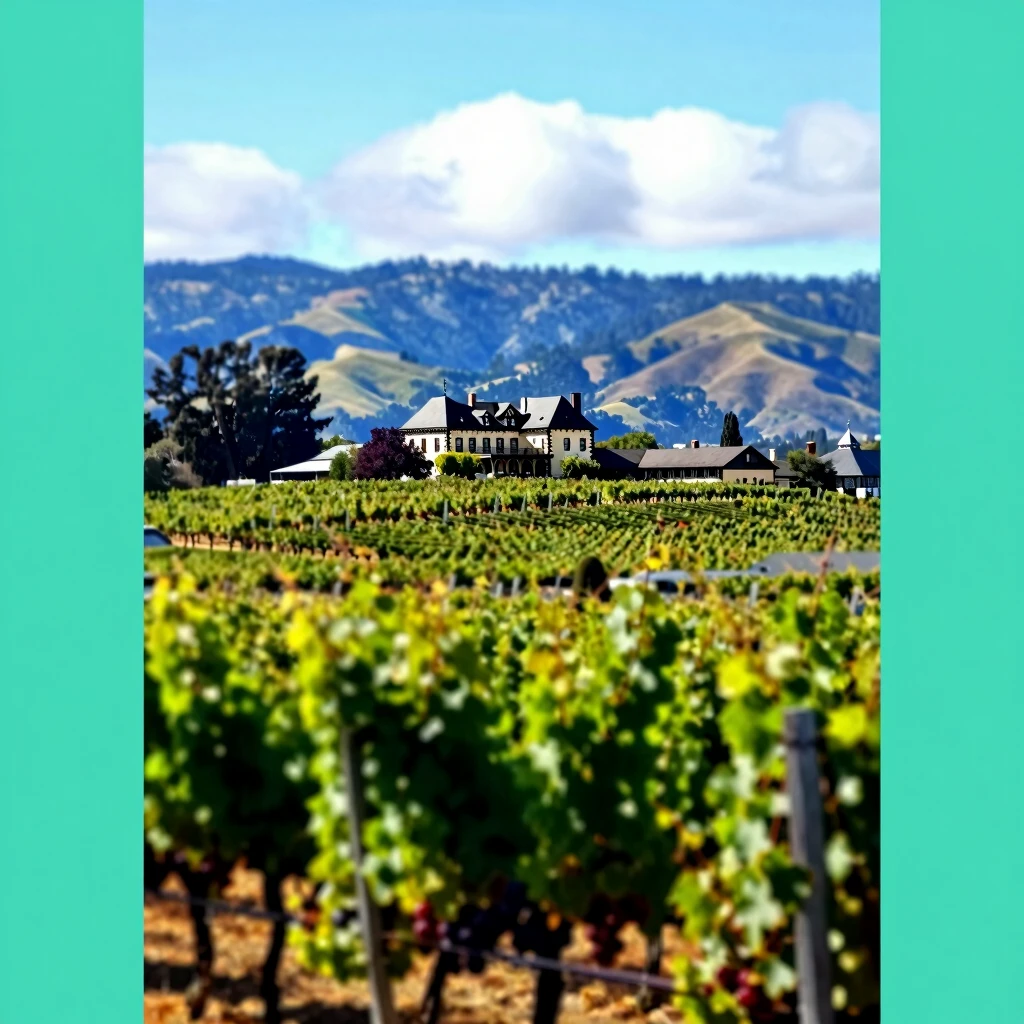
The story of Beringer starts in the mid-19th century with two brothers from Germany. Jacob Beringer left Mainz in 1868, drawn to America's opportunities. He arrived in New York but soon headed west after hearing about Napa Valley's soils resembling those in the Rhine region.
Jacob worked as a cellar foreman for Charles Krug, one of Napa's early winemakers. By 1875, with help from his brother Frederick, he bought 215 acres next to Krug's property in St. Helena. They named it Los Hermanos – the brothers.
In 1876, the brothers produced their first harvest: about 40,000 gallons of wine. Jacob handled winemaking, while Frederick managed finances. They built a stone winery and hand-dug caves into Spring Mountain for aging – innovative steps that set Beringer apart.
Fitting into the History of Napa Valley Wineries
Beringer played a key role in the broader history of Napa Valley wineries. Commercial winemaking here began in 1861 with Charles Krug's winery. By the 1880s, over 140 wineries thrived, including Schramsberg and Inglenook.
Napa's growth exploded thanks to its fertile soils and ideal climate. But challenges came: phylloxera devastated vines in the 1890s, and Prohibition from 1920 to 1933 closed most operations. Beringer survived by producing sacramental wines.
After Prohibition ended in 1933, Beringer led the revival. It offered the first public tours in 1934, kickstarting wine tourism in Napa. Celebrities like Clark Gable visited, boosting its fame.
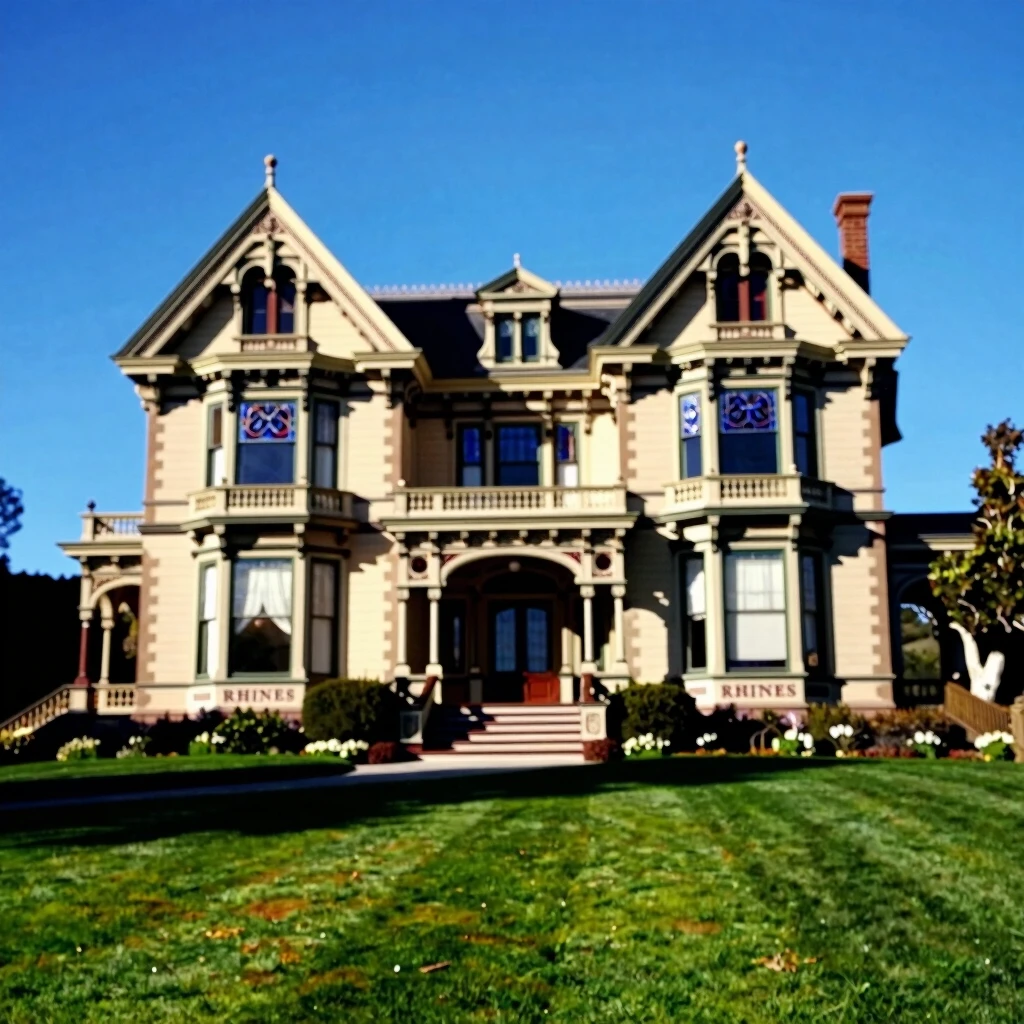
Frederick built the stunning Rhine House in 1884, modeled after their German homeland. This Victorian gem, with its stained-glass windows and wood paneling, became the estate's centerpiece.
The brothers expanded steadily. They planted elm trees along the road, creating the shady tunnel visitors enjoy today. Hand-dug caves provided perfect aging conditions.
After the founders passed – Frederick in 1901 and Jacob in 1915 – the family continued. They navigated Prohibition and rebuilt post-repeal.
In the modern era, Beringer innovated again. The Private Reserve program launched in 1977, creating acclaimed Cabernet Sauvignons. Winemakers like Ed Sbragia and Laurie Hook elevated quality.
Ownership changed in 1971 to Nestlé, then to other groups, and now Treasury Wine Estates. But the focus on excellence remains. Today, great-great-grandson Mark Beringer serves as chief winemaker.
Beringer Wine Tasting Notes: What Makes Them Special
Beringer wines balance power and elegance. The flagship Private Reserve Cabernet Sauvignon often shows deep blackberry, cassis, and mocha notes, with firm tannins that age beautifully.
Many vintages earn high scores. For example, Private Reserve bottles feature ripe black fruit, vanilla from oak, and hints of spice. Chardonnays offer creamy textures with apple and citrus.
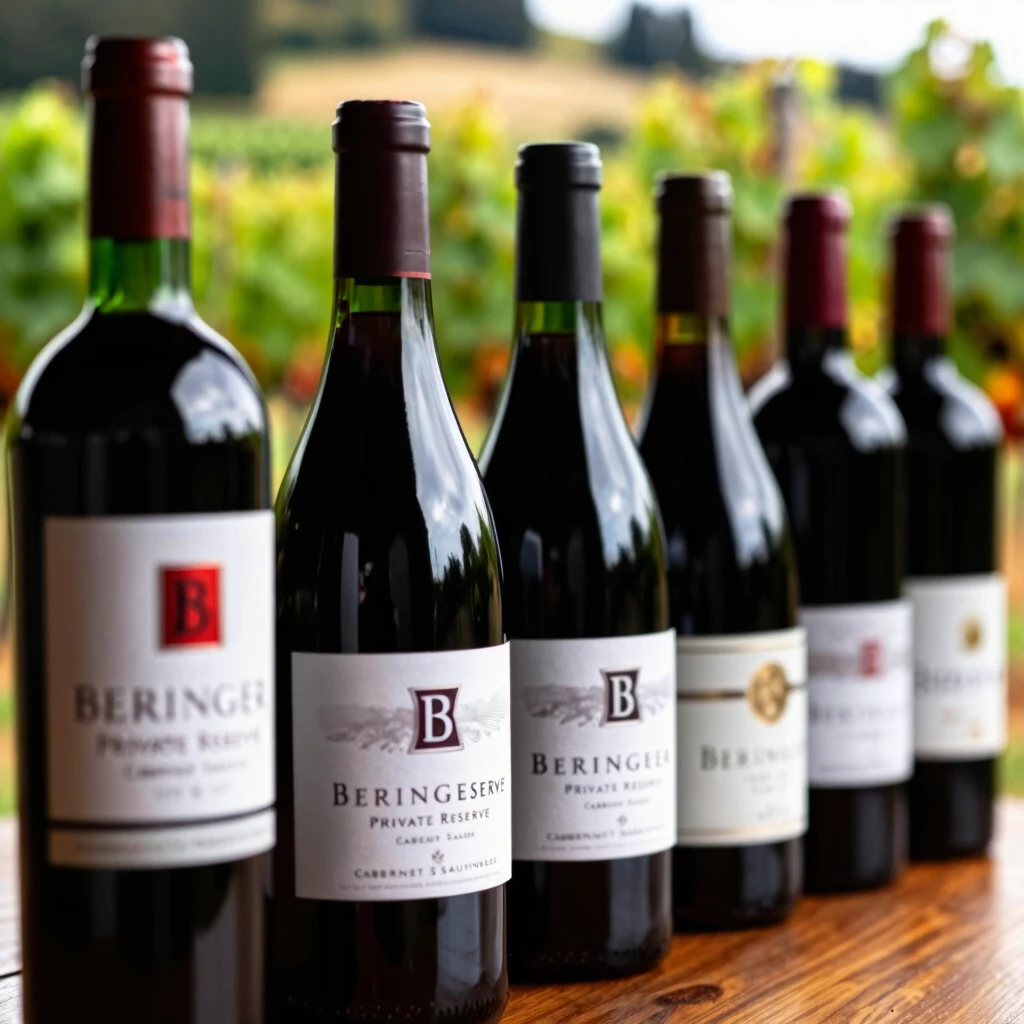
Beringer produces everything from everyday favorites to single-vineyard gems. Knights Valley Cabernets bring bold fruit, while reserve wines showcase Napa's best terroir.
I've tasted many Beringer wines over the years. The consistency impresses me most. Even entry-level bottles deliver clean fruit and balance, while reserves feel world-class.
Visiting Beringer feels like stepping back in time. Walk the grounds, tour the caves, and taste in the Rhine House. It's welcoming and educational – perfect for newcomers or enthusiasts.
Beringer pioneered sustainability too, with certified practices protecting the land for future generations.
Key Milestones in Beringer's History
- 1876: First harvest and founding year
- 1884: Rhine House completed
- 1934: First public tours post-Prohibition
- 1977: Private Reserve Cabernet launched
- Today: Over 145 years of continuous operation
From immigrant dreams to global recognition, Beringer's story mirrors Napa's rise. It overcame disasters yet innovated constantly.
Today, Beringer remains a must-visit. Its wines grace tables worldwide, proving humble beginnings can lead to lasting icons.
For more on Napa's heritage, explore these resources. Beringer's legacy inspires – raise a glass to the brothers who started it all!