History of Iconic California Wineries: From Missions to Modern Masters
Overview
California's wine story spans over 250 years, starting with Spanish missionaries planting vines for sacramental wine. Today, the state produces world-class wines, with Napa and Sonoma leading the way. Iconic wineries have shaped this legacy through resilience and innovation.
Early Beginnings: The Mission Era
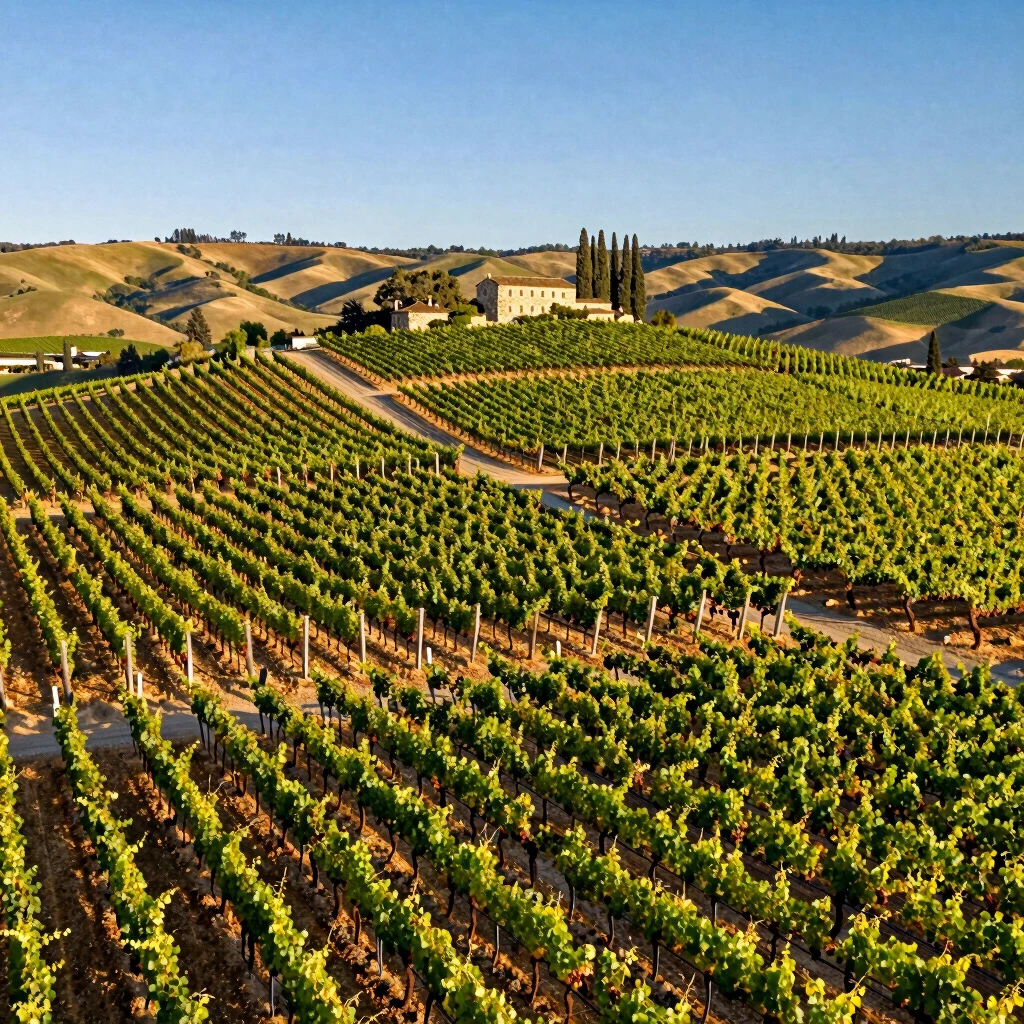
Spanish Franciscan missionaries brought the first grapevines to California in the late 1700s. They planted Mission grapes at places like Mission San Diego in 1769 and Mission San Juan Capistrano. These vines produced simple wines for religious use and daily life. By the early 1800s, small vineyards dotted the landscape, laying the foundation for the state's wine future.
Gold Rush and Growth in the 1800s
The 1849 Gold Rush brought thousands to California, boosting demand for wine. Pioneers like Jean-Louis Vignes in Los Angeles and Agoston Haraszthy in Sonoma expanded production. Haraszthy founded Buena Vista Winery in 1857, often called California's first premium winery. In Napa, Charles Krug started the first commercial winery in 1861. These efforts turned California into a serious wine region.
Iconic Wineries Take Root
Several historic estates emerged during this boom: - Buena Vista (1857): Sonoma's pioneer winery, known for bold Zinfandels. - Charles Krug (1861): Napa's oldest winery, still family-run. - Beringer (1876): Founded by German brothers Jacob and Frederick Beringer, it's the longest continuously operating winery in Napa Valley. These wine brands survived challenges and built lasting legacies.
Beringer: A Pillar of Napa History
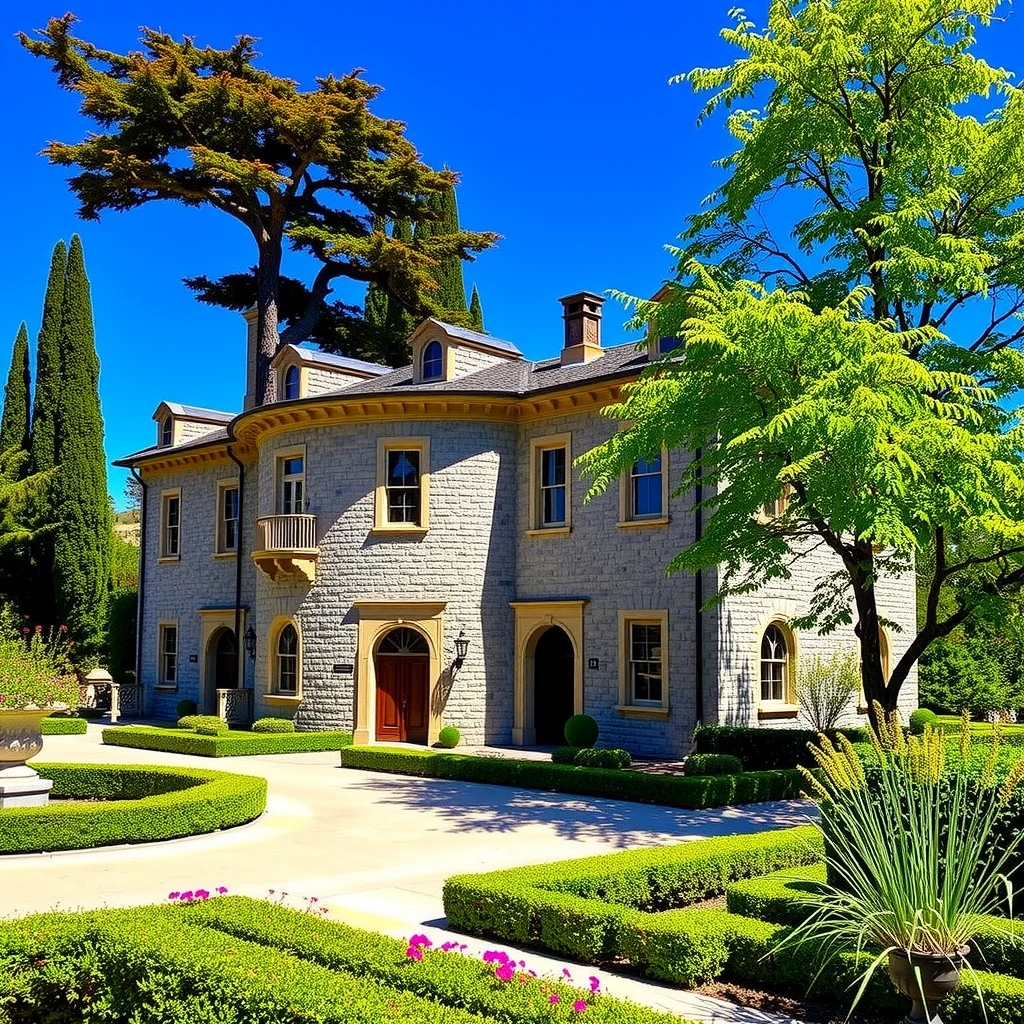
Beringer stands out as a true icon. The brothers dug hand-carved caves into the hillside for aging wine, a practice still used today. The estate includes the stunning Rhine House, a Victorian mansion built in 1884. Beringer survived Prohibition by making sacramental wines and became a symbol of endurance. Today, it produces acclaimed wines from sustainable vineyards.
Challenges: Phylloxera and Prohibition
The late 1800s brought phylloxera, a vine-killing pest that devastated vineyards. Winemakers grafted resistant rootstock to recover. Then Prohibition (1920-1933) shut down most operations. Only a few survived by producing medicinal or sacramental wines. Beringer was one of them, keeping its doors open.
Rebirth and Global Recognition
After Prohibition, California wine slowly rebuilt. The 1976 Judgment of Paris tasting changed everything—Napa Chardonnays and Cabernets beat French wines in a blind test. This victory put California on the world map. Wineries like Beringer, Robert Mondavi, and Stag's Leap gained fame. The number of wineries exploded from a handful to over 4,000 today.
Beringer Merlot Tasting Guide
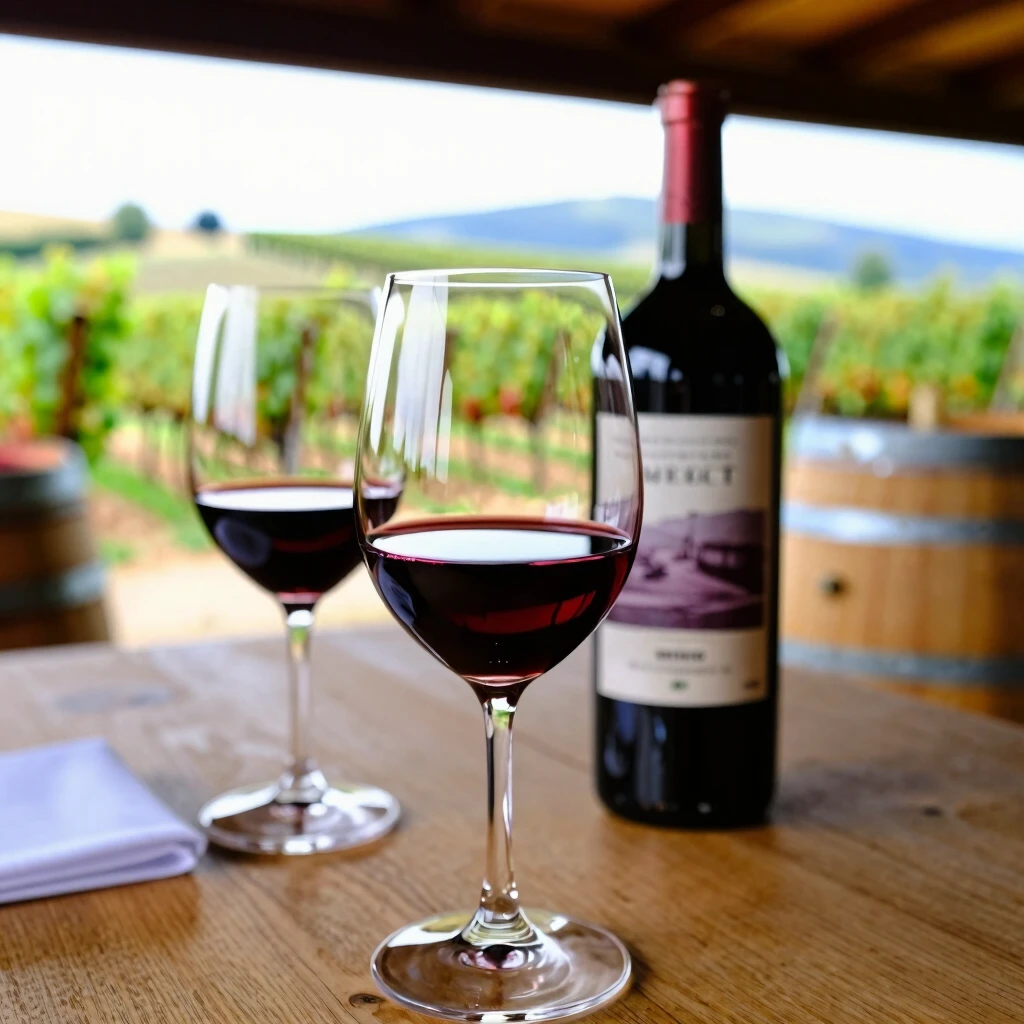
Beringer Merlot is approachable and full of flavor. Here's how to enjoy it: - Look: Deep ruby color with purple edges. - Smell: Ripe plum, blackberry, and hints of spice and oak. - Taste: Soft tannins with notes of dark cherry, chocolate, and toasty vanilla. It's medium-bodied and smooth. - Pair: Try with grilled steak, pasta, or cheese. This wine showcases why Beringer remains a top wine brand.
Modern Era and Lasting Impact
Today, California wine emphasizes sustainability and innovation. Iconic brands like Beringer blend tradition with modern techniques. The state's diverse regions—from cool Sonoma to sunny Napa—produce everything from bold reds to crisp whites.
Summary
California's wine history reflects resilience and passion. From mission vines to iconic estates like Beringer, the journey created some of the world's best wines. Exploring these historic sites offers a true taste of the Golden State's heritage.