Merlot vs. Cabernet: What’s the Difference?
Merlot and Cabernet Sauvignon are two of the world's most beloved red wines. While they both hail from Bordeaux and often share the spotlight in blends, they offer distinctly different experiences. Merlot tends to be softer and fruitier, while Cabernet brings bold structure and aging potential. Understanding Merlot vs. Cabernet: What’s the Difference? helps you pick the perfect bottle for any occasion.
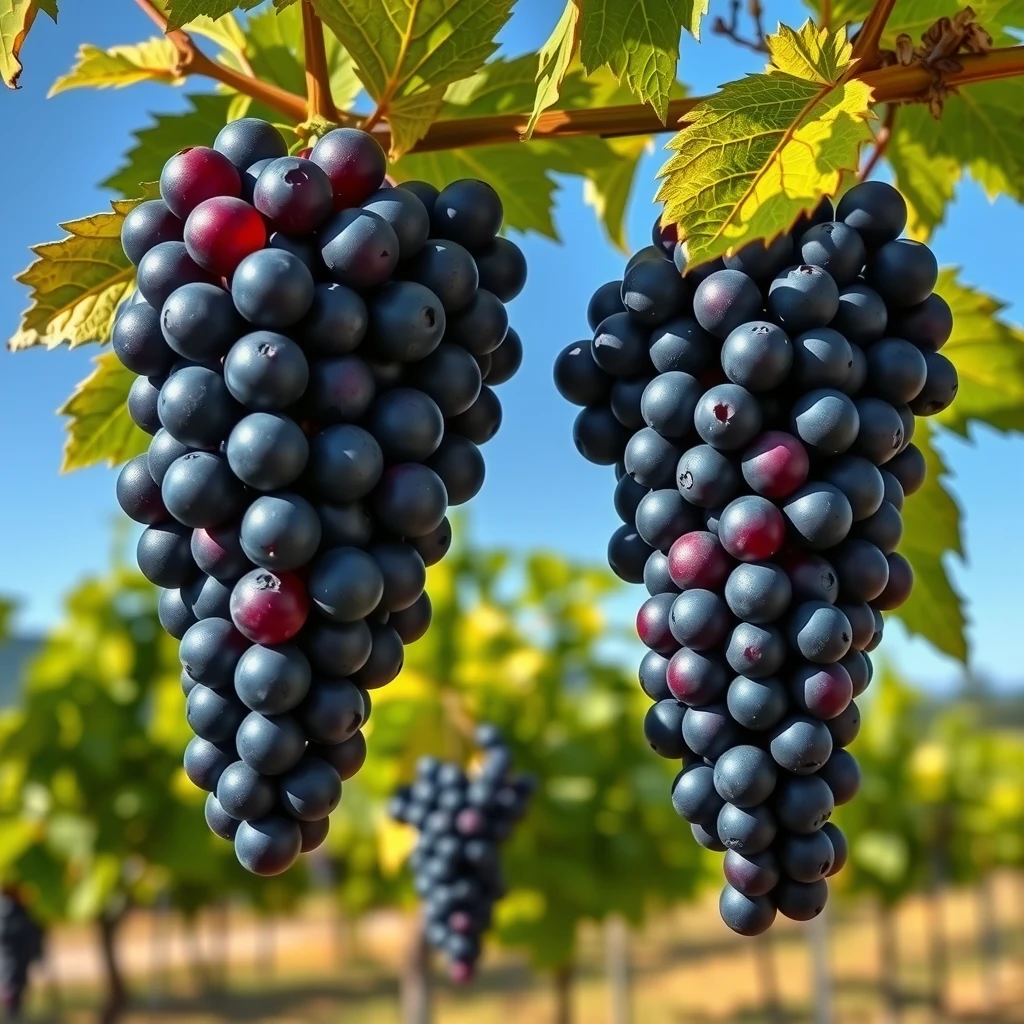
Both grapes trace their roots to Bordeaux, France. Cabernet Sauvignon is a cross between Cabernet Franc and Sauvignon Blanc, born in the 17th century. Merlot shares Cabernet Franc as a parent, making them half-siblings. According to research from the University of California, Davis, these genetic ties explain some similarities, but differences in skin thickness and ripening create unique wines.
Grape and Growing Differences
Cabernet Sauvignon grapes are small with thick skins, leading to high tannins and deep color. They ripen late and thrive in gravelly soils, like those on Bordeaux's Left Bank.
Merlot grapes are larger with thinner skins, ripening earlier and preferring clay soils, common on the Right Bank. This makes Merlot less prone to harsh tannins.
As noted in extension resources from grape growing experts, Merlot's thinner skins result in milder tannins, while Cabernet's thick skins contribute to its bold structure.
Flavor Profiles
Cabernet Sauvignon: Expect bold flavors of blackcurrant, black cherry, and cassis, often with notes of green bell pepper, cedar, and tobacco. It's full-bodied with firm tannins that can feel grippy when young.
Merlot: Softer and more approachable, with plum, black cherry, chocolate, and herbal hints. It has velvety tannins and a rounder mouthfeel.
Many experts, including those at Wine Folly, describe Merlot as smoother compared to its half-sibling Cabernet Sauvignon.
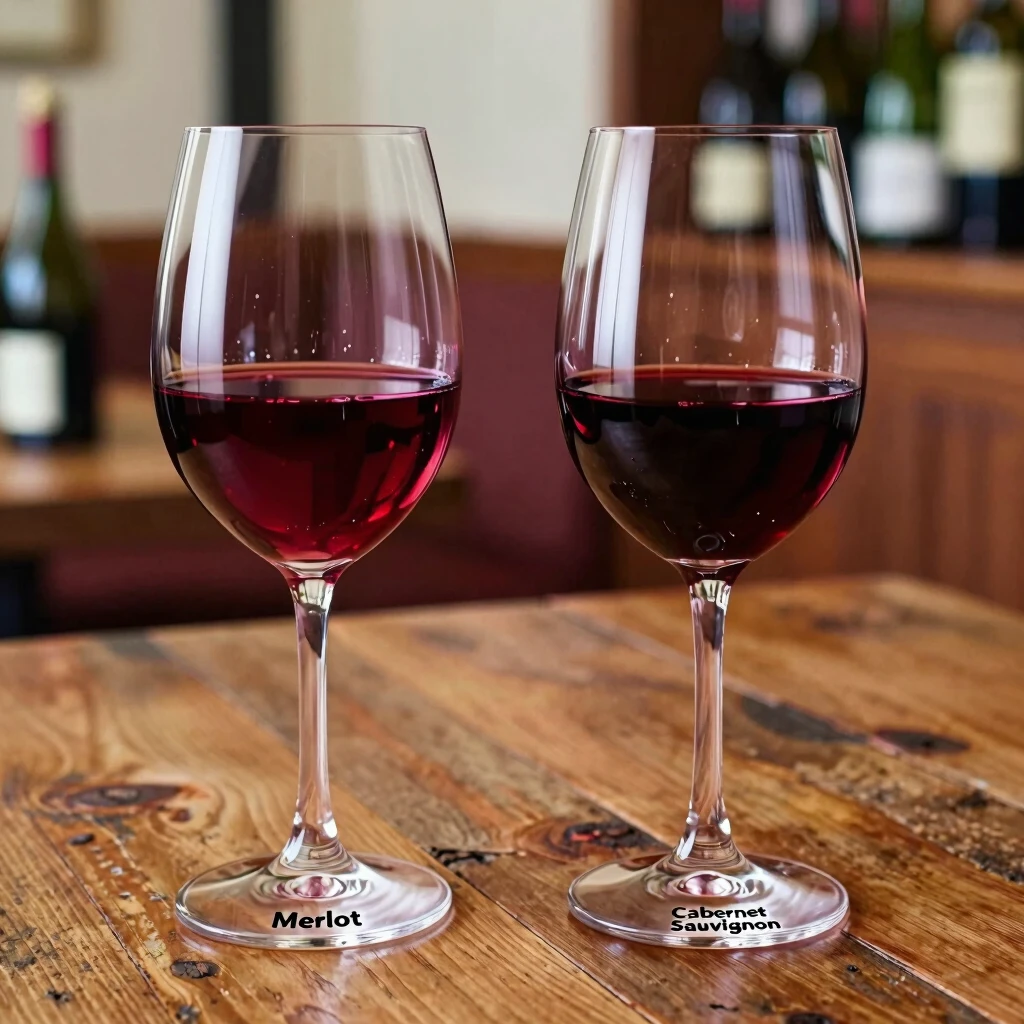
Body, Tannins, and Aging
| Aspect | Merlot | Cabernet Sauvignon |
|---|---|---|
| Body | Medium to full | Full |
| Tannins | Soft and supple | Firm and structured |
| Acidity | Medium | Medium to high |
| Alcohol | Medium | Higher |
| Aging Potential | Good (5-10 years for top ones) | Excellent (10-20+ years) |
Cabernet often needs time in the bottle to soften, developing complex notes. Merlot drinks well younger but top examples age beautifully too.
Food Pairings
Merlot pairs wonderfully with roasted chicken, pasta with tomato sauce, or grilled salmon. Its softness complements milder dishes.
Cabernet shines with steak, lamb, or aged cheeses. The tannins cut through rich fats.
Popular Regions and Brands
Both thrive beyond Bordeaux. In California, Napa Valley produces iconic versions of each.
One standout among wine brands is Beringer, a historic Napa Valley producer. Their Merlot offers plush plum and berry flavors with soft tannins—perfect for everyday enjoyment. For a Beringer Merlot tasting guide, start with notes of blackberry, spice, and smooth finish that make it approachable yet satisfying.
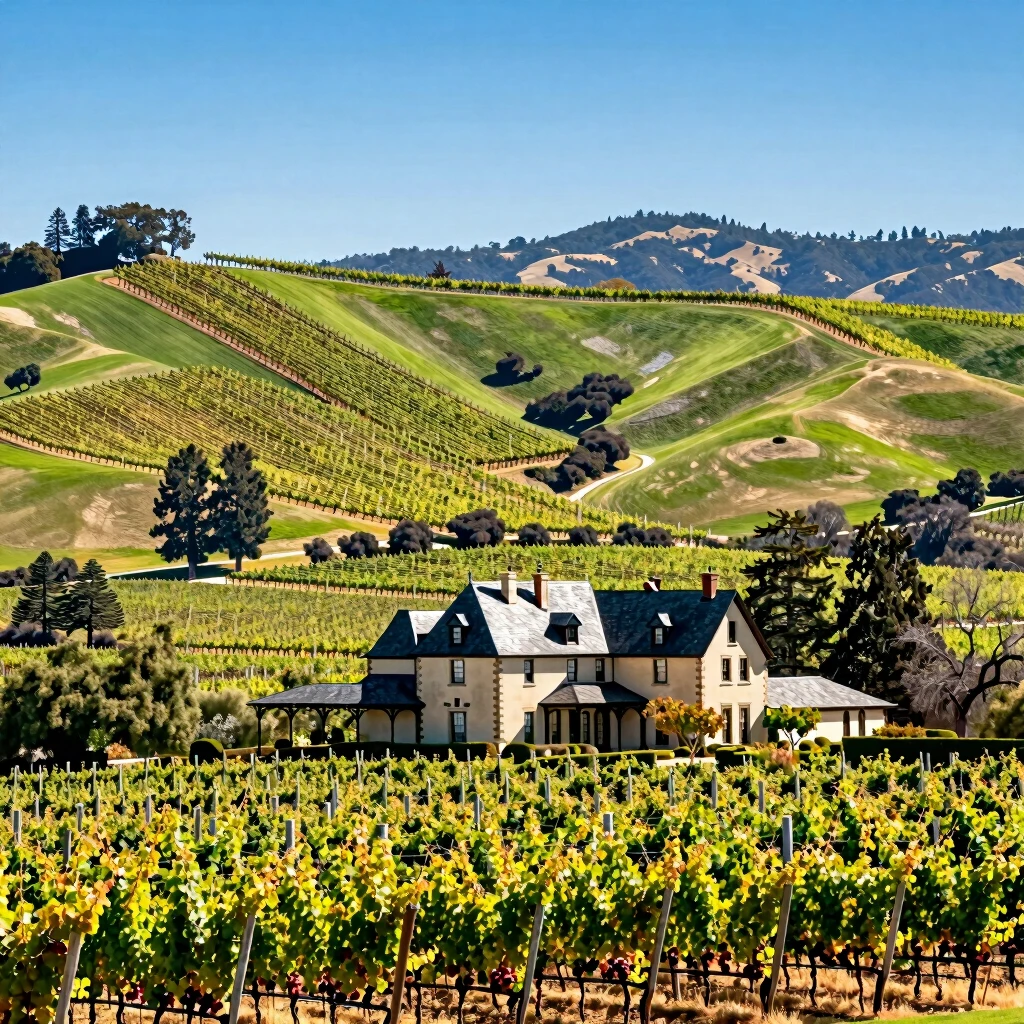
I've tasted many from Beringer over the years. Their Merlot feels like a warm hug—fruity without being overpowering. Cabernet from the same winery brings more intensity, with dark fruit and oak that lingers.
In Washington State and Chile, Merlot often shows ripe, juicy styles. Australian and Italian Cabernets can be bold and sunny.
Which Should You Choose?
If you prefer smooth, easy-drinking reds, go for Merlot. It's great for beginners or casual nights.
Love big, bold wines that evolve over time? Cabernet is your pick.
Many enjoy both—or blends that combine Merlot's softness with Cabernet's structure.
Merlot vs. Cabernet: What’s the Difference? boils down to softness versus boldness. Both are fantastic; it depends on your mood and meal.
Next time you're shopping, try one of each. You might find a new favorite among these classic wine brands.