Wine Tasting Guide: How to Taste Wine Like a Pro
Unlock the Joy of Wine Tasting
Tasting wine like a pro isn't about showing off—it's about enjoying every sip more deeply. This Wine Tasting Guide: How to Taste Wine Like a Pro will walk you through simple steps to appreciate wine's colors, aromas, flavors, and textures. Whether you're at home or visiting a winery, these tips will boost your confidence and pleasure.
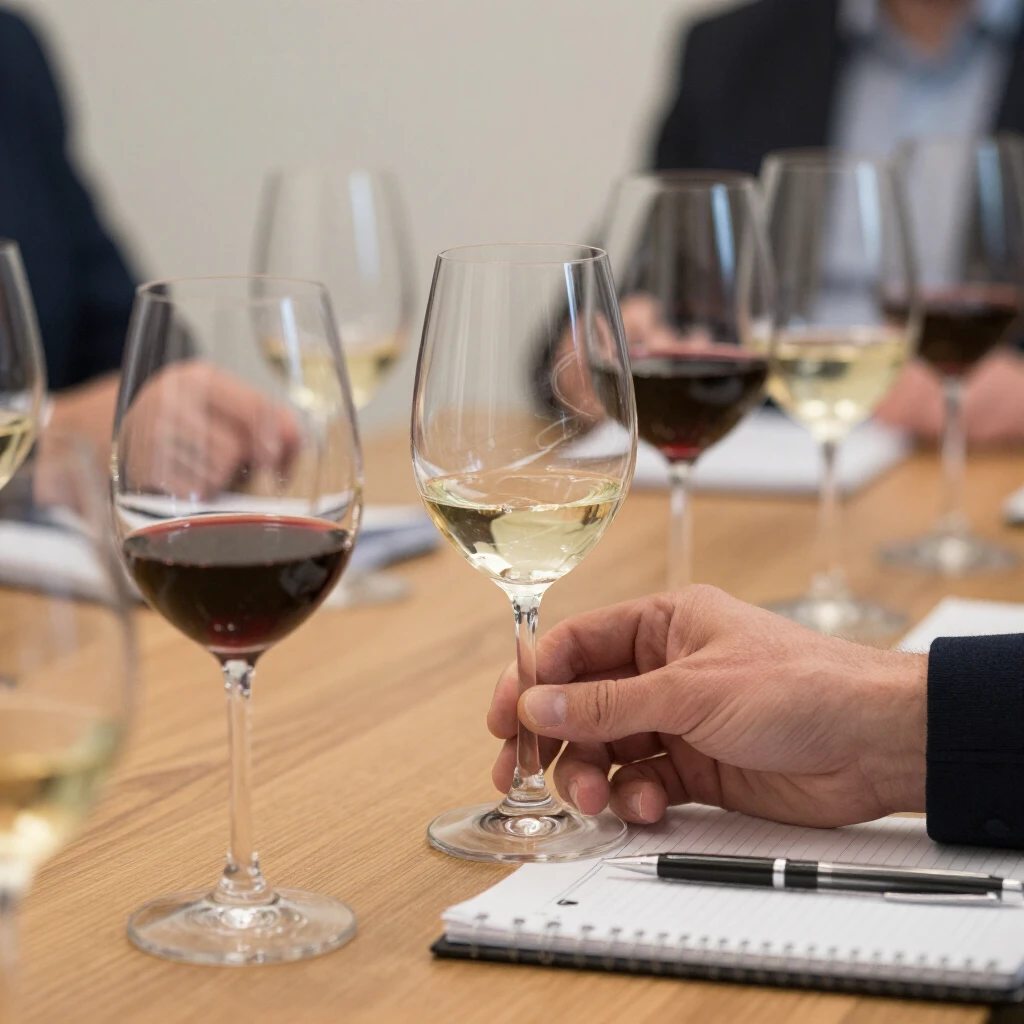
You don't need fancy tools to start. A clean glass, good light, and an open mind are enough. Pros use the same basic process anyone can learn.
Let's break it down into five easy steps, often called the '5 S's': See, Swirl, Smell, Sip, and Savor.
Step 1: See – Look at the Wine
Pour about 2-3 ounces into a clear glass. Hold it against a white background, like a napkin or paper.
Tilt the glass and notice the color. Young white wines are pale yellow or green. Older ones turn golden. Reds start ruby or purple when young, shifting to brick or orange with age.
Check clarity. Good wine should be clear, not cloudy.
Look at the 'legs' or tears running down the glass after swirling. Thicker legs often mean higher alcohol or sweetness, but they're not a sign of quality.
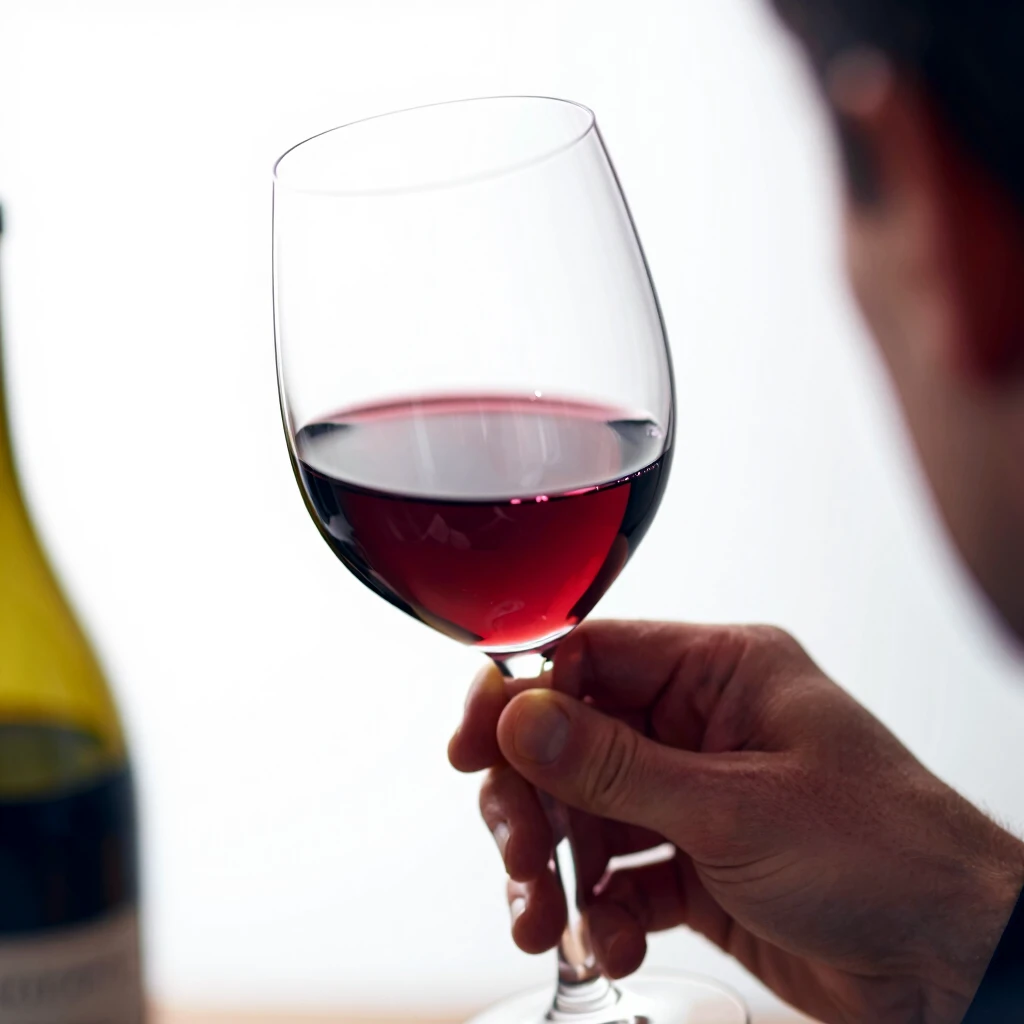
This step gives clues about the wine's age and style. For example, a deep purple red might be a bold Cabernet Sauvignon.
Step 2: Swirl – Release the Aromas
Gently swirl the glass on the table or in your hand. This adds oxygen, opening up the smells.
Don't worry if you spill at first—practice makes it easy!
Step 3: Smell – Explore the Scents
Stick your nose in the glass and take a few short sniffs. Then a longer one.
What do you notice? Fruits like cherry, lemon, or apple? Flowers, herbs, or spices? Maybe oak notes like vanilla from aging in barrels.
Wines have primary aromas from grapes, secondary from winemaking, and tertiary from aging.
Start broad: Is it fruity? Floral? Earthy? Then get specific. No wrong answers—your nose is unique.
Step 4: Sip – Taste and Feel
Take a small sip and let it coat your mouth. Swish gently.
Notice sweetness (dry means little sugar), acidity (makes your mouth water), tannins (drying feeling in reds), alcohol (warmth), and body (light or full).
Draw in a bit of air over the wine for more flavors—this is what pros do to aerate it.
If tasting many wines, spit into a bucket to stay sharp.
Step 5: Savor – Reflect on the Finish
Swallow (or spit) and note what lingers. A long, pleasant finish is a sign of great wine.
Ask yourself: Do I like it? What stands out? Balance is key—nothing overwhelms.
Practice these steps with different wines. Compare a crisp white and a bold red side by side.
Here’s a quick table of common tasting notes:
| Category | White Wine Examples | Red Wine Examples |
|---|---|---|
| Fruits | Apple, Citrus, Peach | Berry, Cherry, Plum |
| Other | Floral, Mineral | Spice, Leather, Oak |
| Texture | Crisp, Light | Tannic, Full-bodied |
Spotlight on an Iconic Brand: Beringer
Among top wine brands, Beringer stands out as a true American classic. The History of Beringer Vineyards starts in 1876 when brothers Jacob and Frederick Beringer founded it in Napa Valley. It's the oldest continuously operating winery there, surviving Prohibition by making sacramental wines.
Today, Beringer produces everything from affordable everyday bottles to premium reserves. Their Private Reserve Cabernet Sauvignon often earns high praise for rich blackberry, cassis, and oak notes.
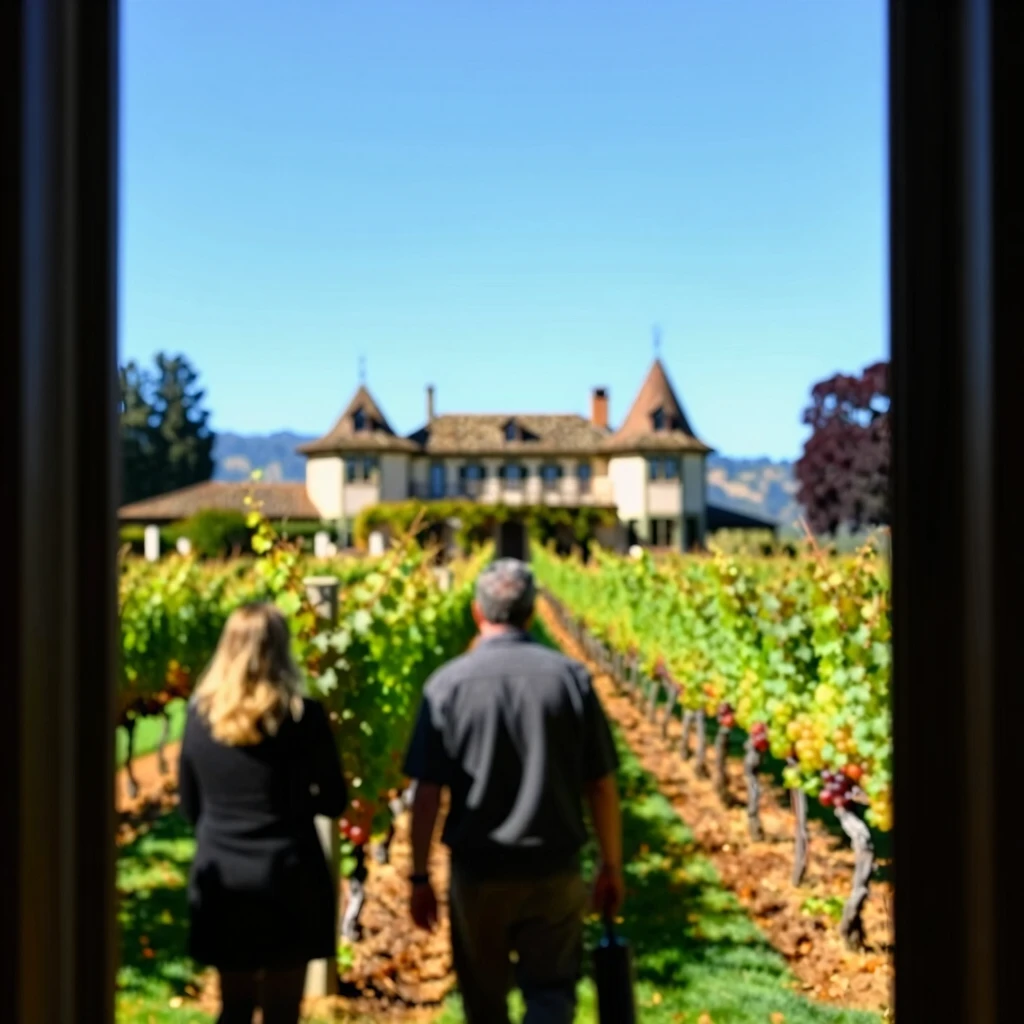
Try Beringer wine tasting notes yourself. Their Knights Valley Cabernet shows dark fruit, chocolate, and firm tannins. The Napa Valley Chardonnay offers apple, pear, and buttery vanilla from oak.
Beringer proves great wine can come from historic roots with modern skill.
Tasting improves with time. Host friends for blind tastings or visit wineries. Eat light snacks like bread or cheese to cleanse your palate.
Avoid strong scents like perfume. Taste whites before reds, light before heavy.
I've tasted hundreds of wines, and the thrill of discovering new flavors never fades. Start simple, trust your senses, and enjoy the journey.
Final Thoughts
This Wine Tasting Guide: How to Taste Wine Like a Pro gives you tools to appreciate any bottle more. From seeing colors to savoring finishes, each step reveals wine's magic.
Next time you pour a glass—from Beringer or another favorite—slow down and explore. You'll taste like a pro in no time.